Dost Pakistan Journeys Tours and safaris in the North & South Pakistsn
Related Articles


“`html
Pakistan’s Fuel Price Adjustment: A Balancing Act Amidst Global Volatility
On November 24, 2026, the Oil and Gas Regulatory Authority (OGRA) announced a modest reduction in petrol prices, bringing some relief to consumers after a period of fluctuating and generally high fuel costs. This move, however, leaves diesel prices untouched, highlighting the government’s complex strategy in managing energy economics amidst persistent international pressures.
The Latest Fuel Price Revisions
The government’s latest notification sees the price of petrol reduced by Rs3 per litre, setting the new retail price at Rs319 per litre. This adjustment follows a recent break in a 12-day consecutive streak of price drops for petrol, suggesting a careful recalibration of domestic fuel costs. Crucially, the price of High-Speed Diesel (HSD) remains unchanged at Rs357 per litre.
Underpinning these prices are significant government levies: a substantial Rs114 per litre on petrol and Rs100 per litre on diesel. Additionally, an arrangement implemented since November 2, 2026, mandates oil refineries to collectively contribute Rs15 billion to the petroleum levy over 30 days, a measure that facilitates an estimated Rs14.71 reduction in petrol prices at the consumer end.
Contextual Background: Global and Domestic Pressures
Pakistan’s fuel pricing landscape in 2026 has been largely shaped by the geopolitical turmoil originating from the US-Iran conflict, which intensified on February 28, 2026. This geopolitical instability, particularly concerns around the critical Strait of Hormuz—a vital choke point for global oil supplies—sent international crude prices soaring and directly impacted Pakistan, a net oil importer.
A Rollercoaster Year for Fuel Prices
The year 2026 witnessed unprecedented volatility in Pakistan’s fuel market:
- Pre-crisis baseline (February 28, 2026): Petrol stood at Rs266.17/litre and Diesel at Rs280.86/litre.
- Peak Crisis (April 3, 2026): Amidst the height of the Strait of Hormuz crisis, petrol prices surged to an all-time high of Rs458.41/litre (a staggering 72.2% increase from baseline), while diesel peaked at Rs520.35/litre.
- Shift to Daily Pricing (July 17, 2026): In response to rapid international market fluctuations, the government shifted from weekly to a near-daily pricing mechanism, empowering OGRA to adjust prices based on global trends. This aims to ensure local prices reflect international dynamics more accurately, albeit leading to frequent, sometimes marginal, changes.
Government’s Mitigating Measures
To cushion the severe economic impact on its citizens, the government has introduced several initiatives:
- Prime Minister’s Fuel Relief Scheme (September 17, 2026): This targeted subsidy scheme offers relief to owners of motorcycles, rickshaws, and vehicles up to 800cc, a significant segment of the lower and middle-income population.
- Austerity Measures: In a bid to conserve fuel and manage demand, the government reintroduced austerity measures, mandating markets to close by 9 PM and implementing a 50% cut in fuel allocations for official vehicles for three months.
Impact on Pakistan’s Economy and Citizens
Fuel prices are a critical determinant of economic stability in Pakistan, influencing virtually every sector. The current price structure, with high taxes and duties, is a double-edged sword: it generates crucial revenue for the government but also contributes significantly to inflationary pressures.
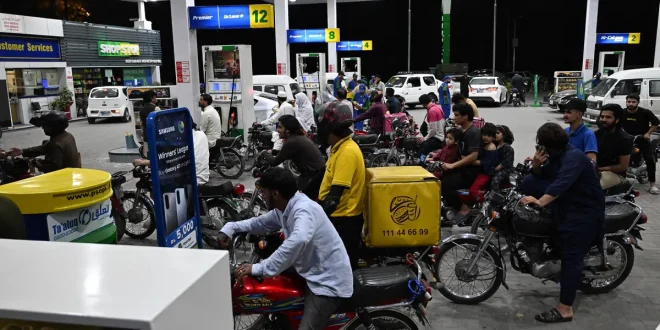
The reduction in petrol prices, though modest, offers some respite to the middle and lower-middle classes who primarily rely on petrol for private transport, motorcycles, and rickshaws. Any decrease helps ease the burden on household budgets, indirectly affecting daily commuting costs and small businesses.
Conversely, the unchanged diesel price continues to impact the heavy transport sector, power generation, and large industrial generators. Diesel is integral to the supply chain; thus, its consistent high price contributes to increased freight charges, higher costs for goods, and elevated expenses for businesses reliant on backup power, ultimately feeding into broader inflation.
Both petrol and HSD are major revenue generators for the government, with monthly sales ranging from 700,000 to 800,000 tonnes. This reliance on fuel taxation highlights the tightrope walk the government faces in balancing fiscal needs with consumer affordability.
Analysis: Navigating Volatility with Strategic Adjustments
The latest fuel price adjustment reflects a nuanced approach by the Pakistani government. The reduction in petrol signals either a slight easing in international crude oil prices or a deliberate policy decision to absorb more fiscal pressure to provide consumer relief. The previous 12-day streak of reductions, followed by this Rs3 cut, suggests a cautious downward trend, offering a glimmer of hope after months of intense price hikes.
Maintaining the diesel price, however, underscores continued economic realities. Diesel’s direct link to freight and industrial costs means its price is a major inflationary factor. The government may be prioritizing revenue generation from this sector, or acknowledging the persistent high global demand for heavier distillates, which might not yet allow for a price reduction without further fiscal strain.
The introduction of daily pricing by OGRA, while ensuring real-time alignment with global markets, places greater responsibility on consumers to track changes. It also requires the government to be agile in its policy responses. The ongoing contribution from oil refineries to the petroleum levy indicates a collaborative effort with the private sector to share the burden, an innovative if temporary, mechanism to manage prices without solely relying on state subsidies.
Ultimately, Pakistan’s energy policy in 2026 is characterized by reactive measures to external shocks, aiming to shield citizens from the full brunt of global volatility while navigating precarious national finances. The combination of targeted subsidies, austerity measures, and dynamic pricing mechanisms illustrates a multifaceted strategy to achieve a delicate balance between fiscal sustainability, energy security, and public welfare in a turbulent global environment. The modest petrol reduction provides a much-needed psychological boost, but the underlying challenge of international oil price volatility and its domestic repercussions remains a significant hurdle for the economy.
“`