Dost Pakistan Journeys Tours and safaris in the North & South Pakistsn
Related Articles
Iran’s Muted World Cup: Geopolitical Shadows Eclipse National Football Fever
As the FIFA 2026 World Cup approaches, what was once a unifying national passion in Iran now contends with the harsh realities of prolonged conflict, severe economic hardship, and a complex geopolitical landscape, significantly dampening public enthusiasm for Team Melli’s participation.
The Unspoken Silence: A Nation’s Sporting Spirit Subdued
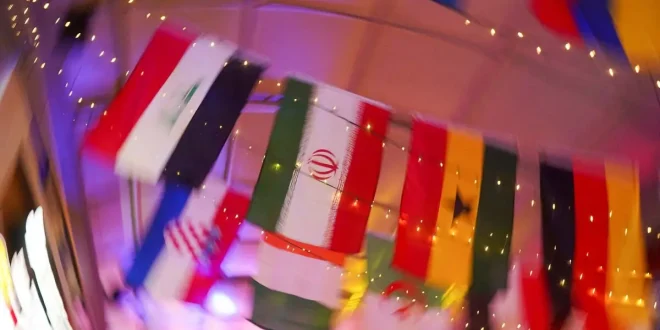
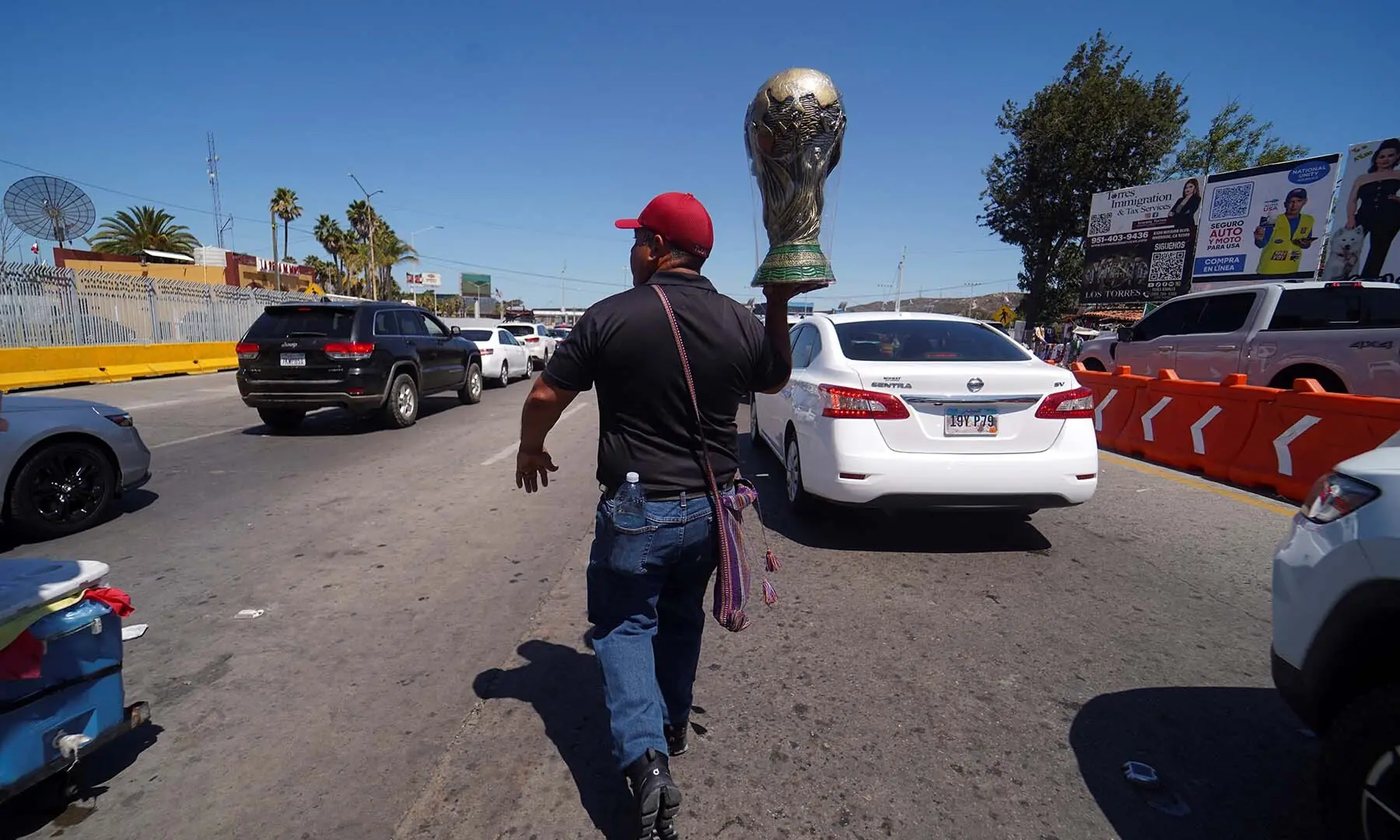
The typical pre-World Cup buzz, a universal phenomenon that electrifies nations, is noticeably subdued across Iran. While the youthful exuberance of a 10-year-old like Helma, proudly donning national colors, still shines through, it represents a fading sentiment among a broader populace. From Tehran’s bustling market streets, where vendors note a shift in demand from national team jerseys to those of international powerhouses like Portugal, Spain, and Brazil, to the weary reflections of seasoned football enthusiasts, a profound sense of detachment permeates the air. This year, the excitement that once united millions appears to be struggling against a tide of more pressing national concerns.
Behind the Veil: A Confluence of Crises Damping Enthusiasm
The prevailing apathy towards Team Melli’s World Cup journey is not merely a passing mood; it is a deep-seated reaction to a series of significant national traumas and ongoing challenges. Several critical factors converge to overshadow the global sporting spectacle:
- Persistent Geopolitical Conflict: Weeks of active conflict involving Israel and the United States, one of the tournament’s co-hosts, have created an atmosphere of profound anxiety. This ongoing state of tension and hostility naturally diverts public attention and emotional investment away from sporting celebrations, as citizens grapple with the broader implications of war.
- Crippling Economic Hardship: The Iranian economy continues to suffer under the weight of hyperinflation, a precipitous currency freefall, and international sanctions. For many ordinary Iranians, the daily struggle to meet basic needs eclipses the luxury of celebrating a football tournament, making national pride a distant concern amidst economic survival.
- Lingering Domestic Unrest: Recent anti-government protests, which authorities described as foreign-backed riots and met with a deadly crackdown, have left a deep scar on the national psyche. The government’s response to dissent has fostered a sense of disillusionment, making it difficult for many citizens to rally enthusiastically behind national symbols, including the football team, without considerable reservation.
Team Melli’s Diplomatic Minefield: More Than Just the Game
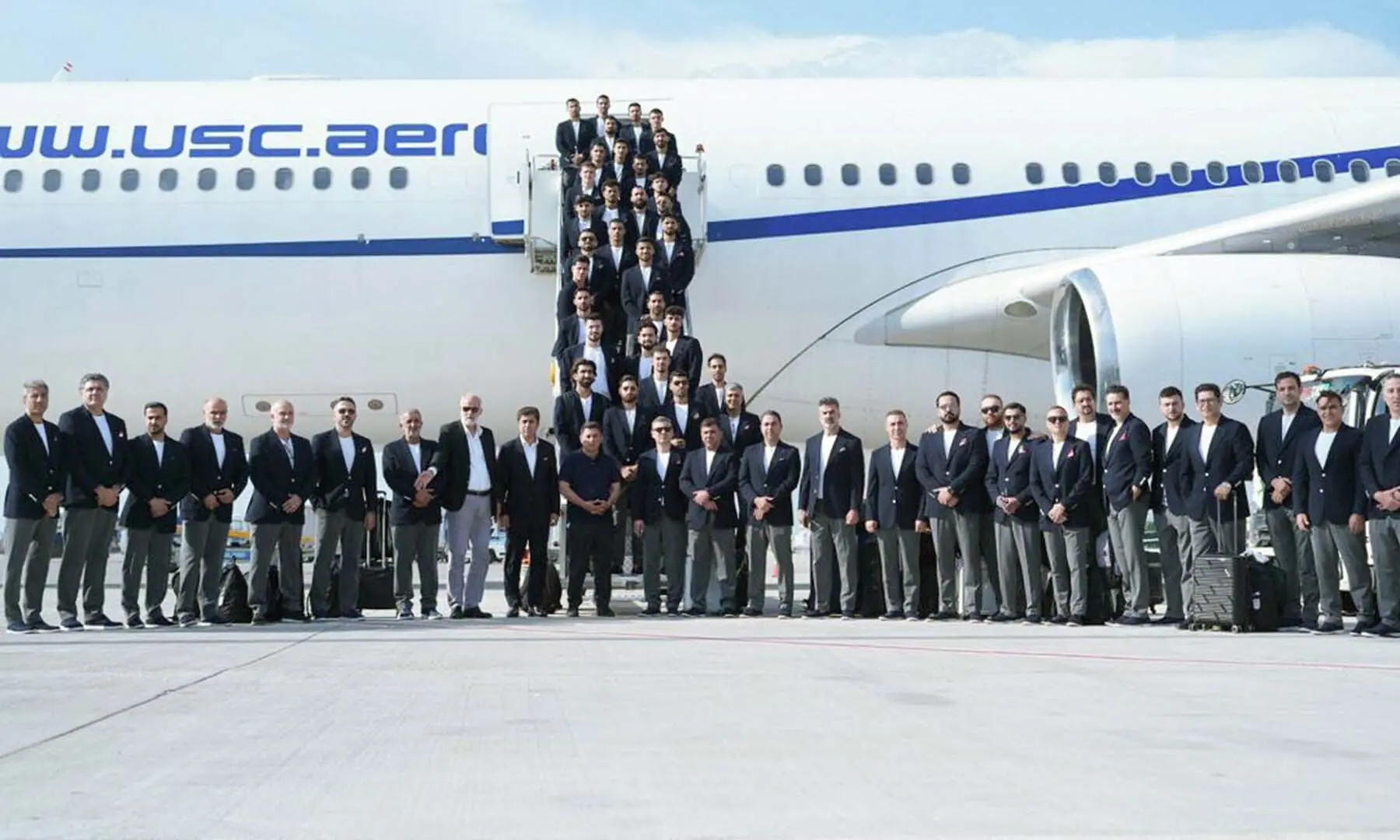
Beyond the domestic mood, Team Melli itself has faced an extraordinary set of challenges that highlight the intricate intertwining of sports and geopolitics. The squad’s US visas were only secured at the eleventh hour, a stark reminder of the frosty diplomatic relations between Tehran and Washington. This delay necessitated a last-minute change of their base camp to Mexico and imposed unusual restrictions, requiring the team to enter and exit US territory on the same day as their matches.
Their opening match in Los Angeles against New Zealand, a nation often aligned with the US, further underscores the sensitive environment in which Iran’s players must perform. This situation demands not only athletic prowess but also significant mental fortitude from the team, as they navigate a highly charged political landscape while representing their nation on the global stage.
Why This Matters: Sport as a Societal Barometer
The diminished excitement for the World Cup in Iran serves as a poignant barometer of the nation’s overall health and morale. Historically, major sporting events have acted as powerful, often apolitical, platforms for national unity and collective celebration. When even this universal joy is overshadowed, it signals profound societal strains, demonstrating how deeply economic hardship and geopolitical tensions permeate every facet of life, even those traditionally considered escapes.
For the Iranian government, the lack of widespread public enthusiasm for Team Melli’s World Cup participation could be viewed as a missed opportunity for national cohesion and soft power projection. For the international community, it is a stark and humanizing reminder of the far-reaching consequences of ongoing conflicts and sanctions, illustrating how ordinary citizens bear the brunt in both significant and subtle ways.
Broader Geopolitical Context: Regional Echoes and Global Implications
While the immediate focus is on Iran’s internal mood, the circumstances surrounding its World Cup participation resonate far beyond its borders. The explicit mention of ongoing conflict with Israel and the United States underscores the volatile nature of Middle Eastern geopolitics, where regional rivalries and proxy conflicts constantly threaten broader stability. The unique logistical and diplomatic challenges faced by Team Melli in a co-host nation complicate traditional international sporting diplomacy and highlight the intricate web of relationships that define the current global order.
This scenario also offers a compelling case study in how national identity and pride, often powerfully amplified by sports, can be fragmented and tested by the twin pressures of internal discontent and external hostilities. The World Cup, typically a stage for global camaraderie and fair play, becomes in this instance a stark reflection of deep-seated geopolitical divisions and a nation’s struggle for normalcy amidst turmoil.
Analysis: A Nation’s Heart in Limbo
The paradox of Iran’s World Cup participation is striking: while Team Melli prepares to compete on the grandest international stage, the populace at home grapples with a crisis of morale. The vibrant hope of youth, symbolized by Helma’s belief in national triumph, contrasts sharply with the disillusionment expressed by older generations, who are weary from economic struggles and political turmoil. This divide speaks volumes about the challenges of unifying a nation under such complex conditions.
This World Cup will undoubtedly test more than just Team Melli’s athletic prowess. It will serve as a mirror reflecting the aspirations and anxieties of a nation caught between profound internal challenges and a tumultuous global environment. Whether a successful run by the national team can reignite some flicker of national spirit, or if the broader societal woes will continue to mute the cheers, remains an open question. What is unequivocally clear is that for Iran, this FIFA 2026 World Cup is far from just a game; it is a poignant and complex chapter in its ongoing national narrative.
“`