Dost Pakistan Journeys Tours and safaris in the North & South Pakistsn
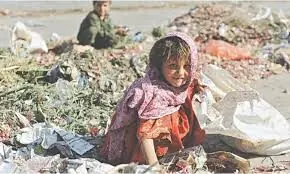
Pakistan’s Deepening Poverty Crisis: 27 Million More in Financial Distress
The recently released Economic Survey 2025-26 paints a stark and troubling picture for Pakistan, revealing a significant escalation in the nation’s poverty crisis. Over the past six years, the national poverty rate has surged by seven percentage points, pushing an additional 27 million individuals into financial distress. This alarming increase brings the total number of impoverished people in Pakistan to a staggering 70 million, highlighting a profound challenge that demands urgent and comprehensive attention.
What Happened: A Nation Under Strain
According to the survey, Pakistan’s poverty rate climbed from 21.9% in 2018-19 to 28.9% by 2024-25. This means nearly three out of every ten Pakistanis now live below the poverty line, defined by the Cost of Basic Needs (CBN) approach – the minimum expenditure required to meet essential food and non-food requirements.
The rise was not uniform, with rural areas bearing the brunt of the crisis. Rural poverty jumped from 28.2% to 36.2%, while urban poverty also saw a substantial increase from 11% to 17.4%. Geographically, all provinces experienced a worsening situation. Balochistan continues to grapple with the highest incidence of poverty, reaching 47% in 2024-25, up from 41.8%. Sindh recorded 32.6%, Khyber Pakhtunkhwa 35.3%, and even Punjab, historically the most prosperous, saw its rate rise from 16.5% to 23.3%.
Compounding the misery, the survey also points to a widening gap between the rich and poor. The national Gini coefficient, a measure of income inequality, increased from 28.4 to 32.7 over the same period, with urban and rural disparities growing significantly. Sindh, in particular, recorded the highest provincial inequality at 35.9, indicating that the pressures on household welfare are not only increasing but also distributed unevenly.
Background: A Confluence of Economic and Environmental Shocks
This dramatic surge in poverty is not an isolated event but the culmination of a series of severe economic and environmental shocks that have buffeted Pakistan for years. The Economic Survey attributes the crisis to several key factors:
- Record-High Inflation: Persistent and often double-digit inflation has relentlessly eroded the purchasing power of ordinary citizens. The soaring prices of essential commodities, particularly food, fuel, and utilities, have pushed countless households beyond their financial limits, making basic sustenance a daily struggle.
- Currency Depreciation: The significant devaluation of the Pakistani Rupee has made imports more expensive, contributing directly to inflationary pressures and increasing the cost of raw materials for domestic industries, ultimately passed on to consumers.
- IMF Stabilisation Measures: While aimed at restoring macroeconomic stability, the stringent conditions imposed by the International Monetary Fund (IMF) – including subsidy cuts, tax increases, and higher interest rates – have had a painful short-term impact on the populace, particularly the most vulnerable, who find their safety nets shrinking.
- Catastrophic Climate Events: Pakistan’s susceptibility to climate change has manifested in devastating events, most notably the unprecedented floods of 2022. These natural disasters wreaked havoc on agricultural lands, infrastructure, and livelihoods, displacing millions and severely impacting rural economies, whose recovery has been slow and incomplete.
- Geopolitical Tensions: The lingering effects of the Middle East conflict, alongside other global uncertainties, have contributed to higher international commodity prices, disrupted supply chains, and strained remittance inflows, further exacerbating domestic economic challenges.
Together, these factors have created a perfect storm, weakening people’s purchasing power, heightening food insecurity, and placing immense strain on remittance-receiving families who often depend on external income to make ends meet.
Why it Matters: The Human and Societal Cost
The escalation of poverty and inequality carries profound implications beyond mere statistics. It represents a deepening humanitarian crisis with far-reaching consequences for Pakistan’s social fabric, economic potential, and political stability.
- Human Suffering: At its core, this crisis means millions more families struggle to feed their children, access basic healthcare, and provide education. It translates into increased malnutrition, higher disease burdens, greater psychological stress, and a desperate struggle for survival for a significant portion of the population.
- Undermined Development: Poverty is a significant impediment to human capital development. Children are often pulled out of schools to contribute to household income, perpetuating a cycle of poverty across generations. Lack of access to quality healthcare further diminishes productivity and well-being.
- Social and Political Instability: Widespread economic distress can fuel public discontent, social unrest, and a rise in crime. It erodes trust in institutions and can destabilize governance, making effective policy implementation even more challenging.
- Regional Disparities: The stark differences in poverty rates across provinces, particularly the enduring crisis in Balochistan, underscore deep-seated grievances and developmental imbalances. Addressing these disparities is crucial for national cohesion and equitable growth.
- Erosion of the Middle Class: The rising Gini coefficient indicates that wealth is becoming concentrated in fewer hands, while the middle class – often the backbone of an economy – is shrinking, pushing more people into poverty.
Impact on Pakistan: Long-Term Challenges and Short-Term Pressures
The immediate impact of this poverty surge is a further strain on Pakistan’s already stretched public services and social safety nets. The government faces immense pressure to expand welfare programs like the Benazir Income Support Program (BISP) at a time of fiscal constraint. However, the long-term ramifications are even more concerning:
- Economic Stagnation: A large impoverished population limits domestic demand, hinders productivity, and discourages investment, creating a drag on overall economic growth.
- Brain Drain and Migration: Faced with dwindling opportunities and worsening living conditions, skilled professionals and even unskilled laborers may increasingly seek opportunities abroad, leading to a loss of vital human resources and further exacerbating domestic challenges.
- Food Security Crisis: The weakening purchasing power directly contributes to heightened food insecurity, making large segments of the population vulnerable to hunger and malnutrition, especially in rural and remote areas.
- Environmental Vulnerability: Poverty often forces communities into unsustainable environmental practices, such as deforestation for fuel or over-extraction of resources, further compounding climate change impacts.
Analysis: Charting a Path Forward
The findings of the Economic Survey 2025-26 serve as a critical wake-up call, underscoring the urgent need for a multi-faceted and sustainable strategy to combat poverty and inequality in Pakistan. Addressing this crisis requires more than just stop-gap measures; it demands deep structural reforms and a long-term vision.
Key areas for policy intervention include:
- Macroeconomic Stability with a Human Face: While IMF programs are essential for fiscal discipline, their implementation must be carefully calibrated to minimize adverse impacts on the poor. Social safety nets must be strengthened and expanded to provide a cushion during periods of austerity.
- Sustained Economic Growth and Job Creation: Long-term poverty reduction hinges on fostering an environment conducive to broad-based economic growth, particularly in sectors that generate employment for low-skilled and semi-skilled workers. This includes investment in small and medium enterprises (SMEs), agriculture, and export-oriented industries.
- Targeted Social Protection: Expanding and improving the efficiency of programs like BISP, ensuring they reach the most vulnerable, and are linked with initiatives for skill development and entrepreneurship to help families transition out of poverty.
- Inflation Control and Food Security: Implementing effective monetary and fiscal policies to curb inflation, coupled with strategic interventions to stabilize food prices, improve agricultural productivity, and enhance food storage and distribution networks.
- Climate Resilience and Adaptation: Investing in climate-resilient infrastructure, early warning systems, and sustainable agricultural practices is crucial to protect vulnerable communities from the recurring shocks of natural disasters.
- Addressing Regional Disparities: Specific development packages and investment in education, healthcare, and infrastructure for underserved provinces like Balochistan and rural areas are vital for equitable national development.
- Inclusive Governance and Tax Reforms: Strengthening institutions, improving governance, and implementing progressive tax policies can help address inequality and ensure resources are mobilized and distributed fairly.
Pakistan stands at a critical juncture. The path chosen in the coming years will determine whether the nation can reverse this alarming trend and create a more equitable and prosperous future for its citizens. The challenge is immense, but the cost of inaction is far greater.