 Dost Pakistan Journeys Tours and safaris in the North & South Pakistsn
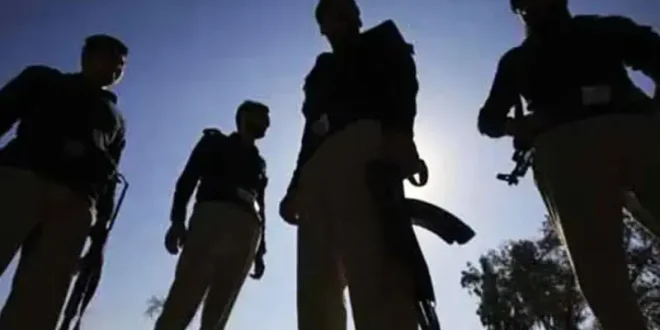
Custody Deaths in Lahore: HRCP Report Uncovers Alarming Inconsistencies and Demands Accountability
The tragic deaths of two young women, Amina and Anmol, in Lahore’s Township police custody have ignited a fierce debate surrounding police accountability and human rights in Pakistan. A recent fact-finding report by the Human Rights Commission of Pakistan (HRCP) has cast a damning light on the official narrative, exposing a web of inconsistencies that demand urgent and independent investigation. This incident underscores deep-seated issues within the Pakistani law enforcement system, raising critical questions about due process, custodial violence, and the path to justice for marginalized communities.
The News: A Disturbing Account of Custodial Deaths
On August 4th, two women, Amina and Anmol, were taken into custody by Lahore police on allegations of theft. Within approximately two hours, both were dead. While initial police statements attributed the deaths to cardiac arrest, the HRCP’s investigation reveals a stark divergence between official records and the desperate pleas of the victims’ family. The report meticulously details discrepancies regarding the sequence of events, the precise time of death, the women’s ages, and whether they were still alive upon reaching the hospital.
Perhaps most disturbing is the contradiction concerning physical evidence. The family claims visible bruises and dried blood on the bodies, while official documents inexplicably record no external injuries. This discrepancy alone signals a potential cover-up. Further compounding concerns, the preliminary post-mortem reports were found to be remarkably similar, raising red flags about their independence and credibility. The HRCP also highlighted the absence of female police officers during detention, the delayed notification of the family, and an unprecedented level of police control over the post-mortem process, burial, and subsequent access to the graves – all highly irregular procedures that obstruct transparency and justice. Allegations by the police portraying the victims as drug addicts were also found to be unsubstantiated by evidence, suggesting an attempt to discredit the deceased.
Background: A Troubling History of Custodial Abuse in Pakistan
The deaths of Amina and Anmol are not isolated incidents but resonate with a grim history of custodial violence and human rights abuses within Pakistan’s law enforcement agencies. For decades, human rights organizations have documented numerous cases of torture, extrajudicial killings, and deaths in custody, often attributed to “natural causes” or “suicide” by authorities. This pervasive issue erodes public trust and perpetuates a climate of fear, particularly among vulnerable populations who are disproportionately targeted and lack the resources to challenge state power.
Despite constitutional guarantees for fundamental rights, including protection against torture and the right to due process, their implementation remains a significant challenge. The Code of Criminal Procedure (CrPC) outlines strict protocols for arrest and detention, including the immediate presentation of suspects before a magistrate and access to legal counsel. However, these safeguards are frequently bypassed. The absence of robust, independent oversight mechanisms for police conduct, coupled with inadequate training and a culture of impunity, allows such tragic events to recur. International human rights frameworks, which Pakistan is a signatory to, explicitly prohibit torture and cruel, inhuman, or degrading treatment, placing a clear obligation on the state to investigate and prosecute such acts.
Impact on Pakistan: Erosion of Trust and International Scrutiny
The fallout from incidents like the deaths of Amina and Anmol extends far beyond the immediate tragedy. Such events inflict severe damage on several fronts:
- Erosion of Public Trust: When law enforcement, meant to protect citizens, becomes a source of fear and injustice, public faith in state institutions plummets. This undermines the rule of law and discourages citizens from cooperating with police or reporting crimes, fearing repercussions.
- Damage to International Image: Persistent reports of police brutality and custodial deaths attract critical scrutiny from international human rights bodies, foreign governments, and global media. This negatively impacts Pakistan’s standing on human rights indices and can have diplomatic and economic repercussions.
- Reinforcement of Impunity: A failure to hold accountable those responsible for custodial deaths perpetuates a cycle of impunity, signaling that such actions can be committed without consequence. This emboldens errant officers and discourages reform efforts.
- Stalled Justice Reform: Calls for comprehensive police reforms, which have long been advocated, lose momentum when incidents of this nature continue unchecked. Without genuine commitment to systemic change, the justice system remains vulnerable and ineffective for many.
- Threat to Vulnerable Communities: The fact that the victims’ family faces “vulnerable socioeconomic circumstances” highlights how marginalized groups are disproportionately affected, making them susceptible to intimidation and further injustice, deepening societal inequalities.
Analysis: Unpacking the Systemic Failures and the Path to Justice
The HRCP report on Amina and Anmol’s deaths is more than a recounting of events; it’s an indictment of systemic failures within Pakistan’s criminal justice apparatus. The multitude of inconsistencies, from the official records to the post-mortem reports, points to a deliberate attempt to obfuscate the truth and shield perpetrators. This is a classic pattern observed in cases of custodial violence where initial medical reports often downplay or omit injuries to protect police personnel.
The HRCP’s recommendation for an independent judicial tribunal, headed by a sitting Lahore High Court judge with full investigative powers, is not merely a procedural suggestion; it is a critical demand for genuine accountability. The existing judicial inquiry under Section 176 of the CrPC, while standard, often lacks the necessary independence and powers to challenge deep-seated institutional resistance. A higher-level tribunal, with the authority to summon witnesses, demand evidence, and even order exhumation and independent forensic analysis, is essential to cut through the official stonewalling and arrive at an unvarnished truth. This becomes particularly vital when initial reports are suspect and access to critical evidence, like DVR records, is controlled by the very institution under scrutiny.
Furthermore, the alleged absence of women police officers during the detention of female suspects is a serious breach of protocol and a critical oversight that disproportionately affects women’s safety and rights in custody. It highlights a gender-insensitive approach within the police force that needs immediate rectification. The police’s apparent control over the entire post-mortem and burial process also raises serious questions about their motive to prevent any independent verification of the cause of death.
Ultimately, the Amina and Anmol case is a litmus test for Pakistan’s commitment to human rights and the rule of law. It highlights the urgent need for comprehensive police reforms that include:
- Enhanced Training: Emphasizing human rights, proper detention protocols, and ethical conduct.
- Independent Oversight: Establishing and empowering robust civilian oversight bodies with investigative powers.
- Accountability Mechanisms: Ensuring swift and impartial prosecution of officers involved in custodial abuses.
- Forensic Capacity: Strengthening independent forensic capabilities and ensuring their autonomous role in investigations.
- Protection for Victims’ Families: Providing legal aid and protection against intimidation for families seeking justice.
Without such fundamental changes, the chilling pattern of custodial deaths and the accompanying shadow of impunity will continue to plague Pakistan’s justice system, undermining its credibility both domestically and internationally. Justice for Amina and Anmol is not just about bringing perpetrators to justice; it’s about safeguarding the human rights of every citizen and rebuilding trust in the institutions meant to serve them.
