Dost Pakistan Journeys Tours and safaris in the North & South Pakistsn
Related Articles


Gilgit-Baltistan Election Dispute: A Test of Democratic Integrity and Regional Stability
This analysis article delves into the recent electoral controversy in Gilgit-Baltistan, its broader implications for regional stability, and the credibility of democratic processes in Pakistan.
The News: Electoral Unrest Grips Gilgit-Baltistan
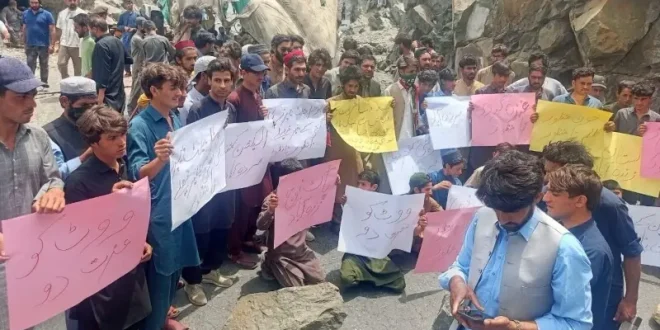
Gilgit-Baltistan (GB), a strategically vital region, has been thrown into political turmoil following disputed results for the GBA-16 Diamer-II constituency. Protests erupted in Chilas as supporters of the Pakistan Peoples Party (PPP) candidate, Attaullah Khan, blocked the crucial Karakoram Highway (KKH). Their anger stems from the Election Commission’s notification of independent candidate Imam Malik as the victor, allegedly without adhering to due electoral process, specifically regarding the preparation of Form 49 and the counting of postal votes. This move has been swiftly followed by Malik joining the newly formed Istehkam-e-Pakistan Party (IPP), adding another layer of political intrigue to the unfolding drama, as the PPP claims it is being unfairly sidelined despite holding a potential majority.
Background: Gilgit-Baltistan’s Strategic Significance and Electoral Process
A Region in Flux:
Gilgit-Baltistan, often referred to as the gateway to the China-Pakistan Economic Corridor (CPEC), holds immense strategic importance for Pakistan. Its unique constitutional status – not formally integrated into Pakistan as a province but administered under a special arrangement – often complicates its political landscape. Elections in GB, while ostensibly democratic, frequently become a battleground for national political parties, reflecting broader power dynamics within Pakistan. The region’s populace is highly sensitive to issues of governance, resource distribution, and fair representation, making electoral transparency paramount for maintaining public trust and stability.
The Electoral Framework:
The electoral process in Gilgit-Baltistan, overseen by its own Election Commission, is designed to ensure a free and fair mandate. Central to this process are mechanisms like Form 49, which is the consolidated statement of the results of the count, and the meticulous counting of postal ballots, crucial for capturing votes from those unable to cast them in person, such as government employees or security personnel on duty. Allegations of bypassing these fundamental steps, as seen in GBA-16, directly challenge the integrity of the election, suggesting a deviation from established legal and procedural norms. Historically, controversies surrounding vote counting, re-polling orders, and the timing of official notifications have been flashpoints in Pakistani electoral politics, often leading to public discontent and accusations of manipulation.
Impact on Pakistan: Beyond Local Politics
Disrupted Connectivity and Economic Strain:
The blockade of the Karakoram Highway (KKH) is not merely a local inconvenience; it’s a significant disruption for Pakistan. The KKH serves as the primary artery connecting Gilgit-Baltistan with the rest of Pakistan and, crucially, to China, facilitating trade, tourism, and movement of essential goods. Prolonged blockades, like the one witnessed in Chilas, lead to thousands of passengers being stranded, perishable goods spoiling, and a substantial economic hit to businesses relying on this vital route. Such disruptions also affect the perception of regional stability, potentially deterring investment, including that related to CPEC projects, which are central to Pakistan’s economic development.
Erosion of Trust in Democratic Institutions:
Allegations of electoral irregularities – particularly concerning fundamental processes like Form 49 and postal vote counting – resonate far beyond Gilgit-Baltistan. They contribute to a broader narrative of compromised electoral integrity across Pakistan, feeding public cynicism about the fairness of democratic institutions. If such foundational aspects of an election are perceived to be circumvented, it undermines faith in the Election Commission’s independence and its ability to deliver credible results, a sentiment that can lead to wider political disaffection and instability.
Implications for National Political Landscape:
The GBA-16 dispute reflects and influences the national political landscape. The PPP’s strong reaction, claiming a majority and accusing “attempts to block its path,” suggests a heightened political temperature. The swift absorption of the independent winner by the IPP, a relatively new political entity with strong ties to influential national figures, highlights the intricate dance of alliances and power consolidation in Pakistani politics. Such maneuvering for government formation, often involving post-election horse-trading, sets a precedent for how political parties operate, potentially encouraging defections and weakening party loyalty, impacting overall political stability in Pakistan.
Analysis: Unpacking the Layers of Controversy
Questioning Electoral Integrity:
The crux of the GBA-16 controversy lies in the allegations of procedural shortcuts. The claim that the Election Commission notified an independent candidate without preparing Form 49 and counting postal votes strikes at the very heart of electoral transparency. Form 49 is the official consolidation document, without which a result lacks legal backing. Similarly, ignoring postal votes disenfranchises a significant segment of the electorate and can alter outcomes, particularly in close contests. These actions, if proven, not only violate established election laws but also severely compromise the credibility of the entire democratic exercise in Gilgit-Baltistan, fostering public distrust and fueling protests.
The Calculus of Government Formation:
The political maneuvering post-election, particularly the immediate defection of independent candidate Imam Malik to the IPP, highlights the often-opportunistic nature of coalition-building in Pakistan. With no single party likely to achieve a simple majority, independents become kingmakers, and their allegiances are eagerly sought. The PPP’s allegation that the IPP leadership demanded “government positions in exchange for support” underscores the transactional nature of such alliances, raising questions about political ethics and the stability of future governments formed on such bases. This dynamic often overshadows policy debates, focusing instead on power-sharing arrangements.
PPP’s Strategic Opposition:
The PPP’s vociferous protest, spearheaded by Secretary General Nayyar Bukhari, serves multiple purposes. Firstly, it champions their candidate’s cause, asserting a rightful victory and protecting the party’s electoral interests. Secondly, by claiming a “clear majority” and alleging attempts to “block the path of the PPP,” the party is crafting a narrative of being unfairly targeted and undermined, rallying its base and projecting itself as a victim of political machinations. This strategy positions the PPP as a strong opposition voice, even if it struggles to form a government, and keeps pressure on the Election Commission and rival parties.
A Precedent for Future Elections:
How this specific dispute is resolved will set a critical precedent for future elections in Gilgit-Baltistan and potentially influence electoral practices across Pakistan. If the legal and procedural allegations are not thoroughly investigated and addressed transparently, it risks normalizing dubious electoral practices. The interplay between legal petitions (PPP candidate Attaullah’s plea to the EC) and street protests (KKH blockade) demonstrates the dual pressure points in Pakistani politics. The Election Commission’s ultimate decision, and the government’s response to the protests, will be a test of their commitment to rule of law versus appeasing political pressure.
Conclusion: The unfolding situation in Gilgit-Baltistan is more than a localized electoral dispute. It is a critical test of Pakistan’s commitment to transparent democratic processes, the rule of law, and the stability of its strategically vital regions. The resolution of this crisis will undoubtedly set a significant precedent for future political endeavors in Gilgit-Baltistan and beyond, influencing both regional development and the broader perception of electoral fairness in the country.