Dost Pakistan Journeys Tours and safaris in the North & South Pakistsn
Related Articles



Pakistan’s Maritime Hostage Crisis: A Test of Government Resolve Amidst Somali Piracy Resurgence
The Unfolding Plight: Two Months of Captivity for Pakistani Seafarers
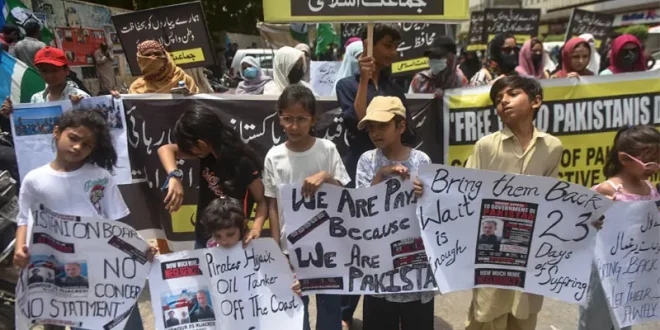
For nearly two months, the fate of ten Pakistani sailors aboard the Palau-flagged oil tanker MT Honour 25 has remained precariously balanced. Hijacked off the coast of Somalia, these individuals have become pawns in a complex web of maritime piracy and international bureaucracy. Their families, enduring agonizing uncertainty, have taken to the streets, protesting what they describe as a distressing lack of effective action from the Pakistani government.
The situation on board is dire: reports indicate rapidly deteriorating health among the crew, with vital supplies of food, clean water, and medicine exhausted. Videos and audio messages from the hostages paint a grim picture, detailing infections, weakening bodies, and critical conditions for those with pre-existing medical needs like diabetes. The pirates are demanding ransom, but the process is mired in confusion, with the Pakistani Ministry of Foreign Affairs reportedly refusing direct negotiation, citing the issue as “international” and complicated by an elusive vessel owner.
Background: Understanding the Resurgence of Somali Piracy
The current crisis is not an isolated incident but rather a troubling indicator of a potential resurgence in Somali piracy, a threat that plagued international shipping lanes between 2008 and 2012. During that period, well-armed pirate groups operating from Somalia’s largely ungoverned coastline launched audacious attacks, costing the global economy billions and holding hundreds of seafarers hostage.
An international naval coalition, combined with enhanced on-board security measures (Best Management Practices or BMP), significantly curbed these attacks. However, a combination of factors, including continued instability in Somalia, the withdrawal or reduction of some international naval patrols, and persistent economic hardship in coastal communities, may be creating fertile ground for pirate groups to re-emerge. The hijacking of the MT Honour 25, along with other recent incidents, signals that the threat to maritime security in the Gulf of Aden and Indian Ocean remains potent.
Hostage situations involving commercial vessels are inherently complex. Governments are often reluctant to directly pay ransoms, fearing it could incentivize further attacks. Responsibility for negotiation and payment typically falls on the vessel owner and their insurers. However, identifying the true owner of a vessel can be challenging, as ships are frequently registered under ‘flag states’ like Palau (often for lower taxes or less stringent regulations) and owned by shell companies or complex leasing arrangements, obfuscating direct accountability.
Impact on Pakistan: Public Outcry and Diplomatic Obstacles
For Pakistan, the captivity of its ten citizens represents a multifaceted challenge, testing the government’s commitment to the welfare of its overseas nationals and its capacity for swift diplomatic action. The emotional pleas from the families, amplified by support from political entities like Jamaat-i-Islami (JI), exert considerable public pressure on Islamabad.
The families’ frustration stems from the perceived bureaucratic inertia and the government’s stance that it’s an “international issue.” While true that the ship is Palau-flagged and the incident occurred in international waters (though later anchored in a “no-go area”), the primary obligation remains to its citizens. The apparent difficulty in identifying and engaging with the actual vessel owners further complicates any official rescue or negotiation efforts, leaving the families feeling abandoned.
Beyond the immediate humanitarian concern, such incidents can have broader implications. They raise questions about the safety of Pakistani seafarers, who are vital contributors to the national economy through remittances. A perceived inability of the government to protect its citizens abroad could deter future employment opportunities in the global maritime industry, impacting thousands of families.
Analysis: Navigating the Complexities of a Humanitarian and Diplomatic Standoff
The crisis involving the MT Honour 25 crew highlights a critical dilemma for the Pakistani government: balance the urgent humanitarian need to rescue its citizens with the broader policy of not legitimizing piracy by negotiating directly. The government’s reported refusal to engage directly with pirates, while consistent with international anti-piracy strategies, rings hollow for families whose loved ones are on the brink. The argument that the ship is in a “no-go area” or that it’s an “international issue” does not absolve the state of its fundamental responsibility to its citizens.
The elusive nature of the tanker’s true ownership is a significant hurdle. Without a clear counterparty for ransom negotiation, diplomatic efforts become protracted. The flag state, Palau, also bears some responsibility but may lack the resources or political will for direct intervention. This often leaves the burden on the seafarers’ home countries to apply diplomatic pressure and coordinate responses.
What is evident is the perceived lack of a transparent and proactive strategy from the Pakistani government. The families’ accounts suggest a cycle of reassurances without tangible progress. While covert operations or delicate negotiations might be underway, the absence of clear communication and perceived empathy from official channels only exacerbates the families’ distress.
Going forward, a multi-pronged approach is essential. This includes intensified diplomatic pressure on the flag state and any identifiable owning entities to fulfill their obligations. Leveraging international anti-piracy frameworks and intelligence networks, potentially in coordination with international naval forces, could also explore options for humanitarian aid delivery or, if feasible and safe, a rescue operation – though the latter carries immense risks. Crucially, the government must adopt a more empathetic and communicative stance with the affected families, offering regular updates and demonstrating a tangible commitment to securing the seafarers’ release.
The ongoing ordeal of the 10 Pakistani sailors serves as a stark reminder of the persistent threats to maritime commerce and the profound human cost of insecurity on the high seas. It is a critical test of Pakistan’s resolve to protect its citizens, regardless of the complex international waters they navigate.