 Dost Pakistan Journeys Tours and safaris in the North & South Pakistsn
“`html
Europe’s Sizzling Summer: A Harsh Reality Check on Climate Change and Global Preparedness
The summer of 2026 casts a harsh light on Europe, as a relentless heatwave grips the continent, pushing temperatures to alarming highs and forcing governments to implement drastic measures. From France’s pre-emptive alcohol ban amidst celebratory festivals to Germany’s widespread heat alerts and Spain’s closure of public gathering spaces, the immediate impacts are undeniable. This extreme weather event is not merely an inconvenience; it’s a stark indicator of a rapidly changing climate, demanding urgent attention to adaptation and mitigation strategies globally, with profound lessons for nations like Pakistan.
The News: Europe Under Siege by Extreme Heat
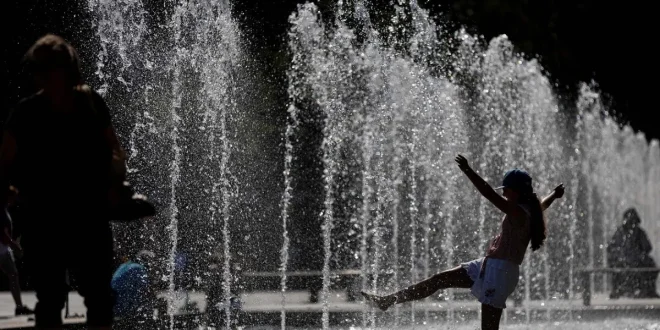
A punishing heatwave has enveloped vast swathes of Europe, triggering a cascade of governmental responses aimed at protecting public health and safety. France, particularly hard-hit, braced for “red” heatwave alerts across 35 departments, with temperatures soaring past 40°C. In an unprecedented move, Prime Minister Sebastien Lecornu mandated a ban on alcohol consumption at the popular Fête de la Musique festivals and other public events in these high-risk areas, a measure aimed at preventing dehydration and heat-related emergencies. Paris authorities, meanwhile, opted to keep parks open overnight, offering vital respite from the sweltering urban heat.
Germany also grappled with near 38°C temperatures and warnings of severe thunderstorms, while Italy saw its iconic tourist sites, like the Colosseum in Rome and the fountains in Bologna, become symbols of endurance under the blazing sun. Even sporting events felt the heat, with Spain’s football federation closing a major fan zone in Madrid, forcing spectators to seek alternative viewing spots for a World Cup match.
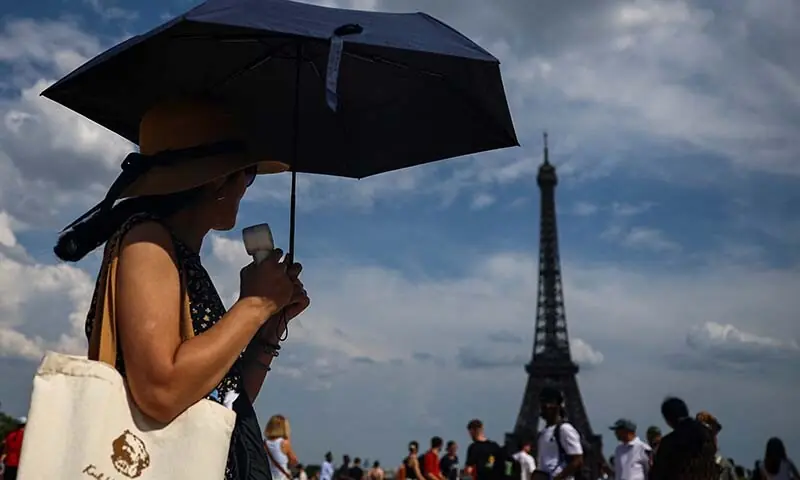
Scientists unequivocally link such escalating heatwaves to climate change, highlighting increased frequency and intensity. Beyond the immediate health crises, the economic toll is becoming a critical concern. Emmanuel Moulin, Governor of the Bank of France, acknowledged the complex short-term economic effects—ranging from reduced productivity to elevated energy consumption—and warned of the significant long-term drag extreme heat poses on overall economic activity.
Background: Understanding the Escalating Climate Crisis
A heatwave is defined as a prolonged period of excessively hot weather, often accompanied by high humidity. While natural weather patterns like high-pressure systems can cause them, the alarming frequency, intensity, and duration of recent heatwaves across Europe and indeed globally are intrinsically linked to anthropogenic climate change. The burning of fossil fuels releases greenhouse gases like carbon dioxide and and methane into the atmosphere, trapping heat and causing the planet to warm – a phenomenon known as global warming.
Europe, despite its often temperate climate, has proven particularly vulnerable to the impacts of these rising temperatures. The continent has experienced a series of record-breaking heatwaves in recent decades, notably the devastating 2003 event that claimed tens of thousands of lives. Such extreme weather is no longer an anomaly but an increasingly regular occurrence, stressing infrastructure, overwhelming public health systems, and disrupting daily life. Vulnerable populations, including the elderly, young children, and those with pre-existing health conditions, face heightened risks of heatstroke, dehydration, and other severe health complications. Economically, these events lead to significant productivity losses, strain energy grids due to increased cooling demands, impact agricultural output, and deter tourism, incurring substantial costs to national economies.
Impact on Pakistan: A Shared Vulnerability and Urgent Lessons
While the immediate focus of the news is on Europe, the underlying climate crisis resonates deeply with Pakistan’s own experiences and vulnerabilities. Pakistan is consistently ranked among the countries most susceptible to the impacts of climate change. Its geographical location, coupled with socio-economic factors, makes it particularly exposed to extreme weather phenomena, including devastating heatwaves.
Pakistan has long endured severe heat, with cities like Jacobabad frequently recording some of the highest temperatures on Earth. Major urban centers and vast agricultural plains, especially in Sindh and Punjab, regularly experience prolonged periods of intense heat, often exceeding 45°C. The consequences are dire and multifaceted:
- Public Health Crisis: Similar to Europe, Pakistan faces significant public health challenges during heatwaves. Outdoor laborers, a large segment of its workforce, are particularly susceptible to heatstroke and exhaustion. Access to cooling centers, clean water, and adequate healthcare often remains limited, especially in rural and low-income areas.
- Agricultural Strain: Pakistan’s economy is heavily reliant on agriculture. Extreme heat stresses crops, reduces yields, and exacerbates water scarcity, threatening food security and farmer livelihoods. Livestock also suffers, impacting dairy and meat production.
- Energy Demand and Load Shedding: Increased use of air conditioning and fans during heatwaves places immense strain on Pakistan’s already stretched energy infrastructure, leading to frequent power outages (load shedding), which further compounds discomfort and health risks.
- Economic Disruption: Reduced labor productivity, damage to infrastructure, and direct losses in agriculture and other sectors impose a heavy economic toll, hindering development and pushing more people into poverty.
- Environmental Degradation: Heatwaves contribute to glacial melt in the country’s northern regions, increasing the risk of Glacial Lake Outburst Floods (GLOFs), which have already caused widespread destruction and displacement.
Lessons from Europe’s proactive measures, such as early warning systems, designated cooling spaces, and public awareness campaigns, are crucial for Pakistan. Implementing robust climate adaptation strategies and investing in resilient infrastructure are not luxuries but necessities for safeguarding its population and economy against the intensifying effects of global warming.
Analysis: Global Urgency and Shifting Paradigms
The European heatwave serves as a potent reminder that climate change is a global phenomenon with localized, yet increasingly severe, impacts. It underscores several critical analytical points:
1. Climate Change as a Present Reality, Not a Future Threat:
The swift governmental responses in France, Germany, and Spain demonstrate that extreme weather is no longer a distant projection but a current crisis demanding immediate, tangible action. The alcohol ban in France, while seemingly specific, highlights the lengths to which authorities must go to protect public health during unprecedented events. This signals a shift from purely long-term mitigation discussions to urgent adaptation measures.
2. The Interconnectedness of Global Systems:
From disrupting major cultural festivals to impacting global sporting events (like the World Cup match, albeit with ironic stadium air conditioning), climate change infiltrates every facet of human society. The economic warnings from the Bank of France governor are particularly insightful, moving beyond immediate disaster relief to consider the sustained drag on national productivity and growth. This necessitates a re-evaluation of economic models to incorporate climate resilience.
3. The Imperative for Both Mitigation and Adaptation:
Europe’s actions, such as opening parks overnight or issuing heat alerts, are examples of adaptation – living with the changed climate. However, these measures alone are insufficient without aggressive mitigation efforts to reduce greenhouse gas emissions. The very fact that such drastic adaptation measures are becoming commonplace in historically temperate regions should galvanize global leaders to accelerate the transition to renewable energy and sustainable practices.
4. Socio-Economic Disparities in Vulnerability:
While the news covers broad government responses, it’s crucial to analyze who bears the brunt of these events. The elderly, low-income households, outdoor workers, and marginalized communities often lack adequate cooling, access to healthcare, or the means to escape the heat. Effective climate strategies must be equitable, ensuring that those most vulnerable are protected.
5. Redefining “Normal” and the Future of Urban Living:
The recurrent nature of these heatwaves in Europe forces a re-evaluation of urban planning, infrastructure design, and lifestyle. Cities may need more green spaces, improved public cooling systems, heat-resistant building codes, and revised work schedules to cope. The image of tourists enduring the heat at Rome’s Colosseum reflects a shift in how leisure and daily life will be experienced in a warmer world.
In conclusion, Europe’s sweltering summer is more than just a weather event; it’s a critical moment for reflection and action. It underscores the undeniable reality of climate change, the necessity of proactive governance, and the urgent need for a global, coordinated response that integrates both ambitious emissions reductions and resilient adaptation strategies. For countries like Pakistan, already on the front lines of climate vulnerability, these lessons are not just cautionary tales but blueprints for survival and sustainable development.
“`
