Dost Pakistan Journeys Tours and safaris in the North & South Pakistsn
Related Articles


“`html
Viral Outrage to Swift Justice: A Look at Pakistan’s Public Transport & Accountability
The News
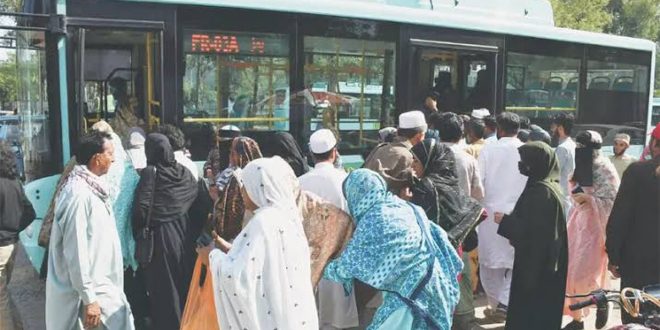
A disturbing incident recently rocked the digital landscape and public consciousness in Pakistan. A video, rapidly circulating across social media, depicted a bus conductor in Lahore forcefully pushing a woman off a public transport vehicle, not once, but twice, causing her to fall onto a parked motorcycle. The event, which occurred as the woman attempted to board a bus operated by Faisal Movers Group, triggered widespread condemnation. Prompted by the public outcry and the viral nature of the footage, the Punjab government swiftly intervened. Punjab Minister for Transport and Mass Transit, Bilal Akbar Khan, confirmed the immediate dismissal of the conductor, Ali Rizwan. However, Chief Minister Maryam Nawaz went further, asserting that termination alone was insufficient. She directed law enforcement to apprehend the conductor, ensure a public apology to the victim, and take further legal action, emphasizing that such misconduct against the public would not be tolerated.
Background: The Unspoken Challenges of Public Commute
The Lahore bus incident, while shocking, unfortunately, resonates with a broader narrative regarding public transport in Pakistan. For millions, especially women, navigating public spaces and transport systems can be fraught with challenges. Overcrowding, lack of proper infrastructure, and inadequate staff training often contribute to an environment where passenger comfort and safety are compromised. Incidents of harassment, disrespect, and unprofessional behavior by transport staff are not uncommon, though rarely captured with such clarity or met with such immediate, high-level repercussions.
In this context, the role of social media has become increasingly pivotal. What might once have been an unreported or dismissed incident now has the potential to become a national conversation. Viral videos act as a powerful catalyst, bypassing traditional reporting channels and directly engaging the public and, subsequently, the authorities. This mechanism has transformed digital platforms into informal courts of public opinion, demanding accountability and often accelerating justice where institutional processes might be slower or absent.
Furthermore, the response from the Punjab government, particularly the Chief Minister’s strong directive, highlights an evolving focus on citizen protection and responsiveness to public sentiment. This shift is crucial in a country where trust in public services and the justice system can sometimes waver. It signals a move towards governance that is not only reactive but demonstrably committed to upholding basic rights and dignity, especially for women who disproportionately face vulnerabilities in public spaces.
Impact on Pakistan: A Glimmer of Accountability and Systemic Reflection
The immediate and decisive action in the Lahore bus incident carries significant implications for Pakistan. Firstly, it sets a potent precedent for accountability in the service sector. The swift dismissal of the conductor and the Chief Minister’s insistence on further legal and restorative justice sends a clear message that misconduct, particularly against vulnerable citizens, will not be tolerated. This can empower ordinary citizens to demand better service and report abuses, knowing their grievances might be addressed.
Secondly, the incident underscores the transformative power of social media in driving justice and citizen empowerment. It reinforces the idea that collective outrage, amplified through digital platforms, can compel even high-ranking officials to take notice and act. This digital vigilance acts as a vital check on public and private entities, encouraging greater professionalism and ethical conduct across various sectors.
More broadly, this event has brought the often-overlooked issue of women’s safety and access to public spaces to the forefront. For many Pakistani women, public transport is a lifeline for education, work, and essential errands. An incident like this not only jeopardizes their physical safety but also erodes their confidence in using public facilities. The government’s strong stance, particularly the CM’s directive for an apology to the victim, acknowledges the gendered dimension of such incidents and aims to restore dignity and confidence.
Lastly, while punishment for the individual is crucial, this event should ideally spark a wider dialogue about transport sector reform. It highlights the need for private transport companies like Faisal Movers to invest more in staff training, emphasize customer service, enforce strict codes of conduct, and establish accessible grievance redressal mechanisms. This could lead to policy discussions around better regulation, monitoring, and oversight of private transport services to ensure consistent safety and respect for all passengers.
Analysis: Beyond the Immediate Reaction
While the swift response to the Lahore conductor incident is commendable, a deeper analysis reveals both progress and persistent challenges. The incident serves as a stark reminder that while individual accountability is essential, it is often a symptom of larger, systemic issues within Pakistan’s public transport infrastructure and societal attitudes towards public service and women.
The speed with which the conductor was sacked by Faisal Movers, and the subsequent directives from the Chief Minister, suggest a growing understanding among authorities of the need for immediate action in the age of viral content. This responsiveness is a positive development, indicating a desire to address public concerns and project an image of effective governance. However, the critical question remains: would such action have been taken if the incident had not been caught on video and shared widely? This highlights the sometimes-reactive nature of justice when it is primarily driven by social media virality rather than inherent systemic checks and balances.
The CM’s demand for a public apology and further police action goes beyond mere disciplinary termination, acknowledging the profound impact such an act has on an individual’s dignity and sense of security. It correctly frames the incident not just as a breach of company policy, but as a violation of civil rights and public trust. This strong message from the highest provincial office underscores the government’s commitment to protecting its citizens, particularly women, from harassment and mistreatment in public spaces – a persistent challenge in Pakistani society.
Ultimately, to move beyond reactive measures, Pakistan’s transport sector requires a comprehensive overhaul. This includes mandatory and ongoing training for all public-facing staff on customer service, empathy, and gender sensitivity. Regulations must be strengthened to hold private operators accountable for the conduct of their employees and the safety of their passengers. Moreover, fostering a cultural shift where respect for all passengers, especially women, is ingrained, is paramount. The Lahore incident, therefore, is not just a singular act of misconduct; it is a critical opportunity for introspection and sustained reform towards a safer, more respectful, and truly accessible public transport system for all Pakistanis.
“`