Dost Pakistan Journeys Tours and safaris in the North & South Pakistsn
Related Articles

“`html
Pakistan’s Supply Chain Under Threat: Analyzing the Goods Transport Strike
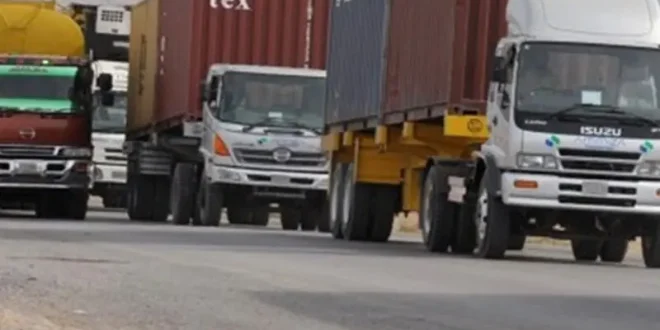
A nationwide strike by goods transporters and oil tanker operators in Pakistan has brought critical supply chains to a standstill, posing a significant challenge to the nation’s already fragile economy. The indefinite “wheel-jam” protest, which commenced on Friday night after unsuccessful negotiations with government officials, threatens to exacerbate inflation, create shortages of essential goods, and disrupt industrial activity across the country.
The News: Transporters Halt Services Over Unresolved Demands
In a decisive move, the All Pakistan Goods Transport Itehad and various associated bodies, including petroleum and edible oil tanker operators, truckers, and trailer operators, initiated a complete suspension of services. This action follows the collapse of talks with Federal Minister for Communications Aleem Khan and other government representatives. According to Mohammad Owais Chaudhry Advocate, President of the All Pakistan Goods Transport Owners Association, negotiations concluded without a breakthrough, leaving the transporters no option but to proceed with their previously announced strike.
The transporters have pledged that the protest will continue indefinitely until their demands are met, despite assurances from the minister that discussions would resume on Monday morning. Commercial goods carriers have been pulled off the roads nationwide, signaling the seriousness of the transporters’ resolve. Their core demands include the uniform enforcement of axle-load limits and permission for 10-wheel vehicles to carry up to 35 tonnes, reductions in diesel prices and toll taxes, and relief in withholding tax. Furthermore, they are calling for the withdrawal of customs provisions allowing vehicle confiscation, an end to arbitrary challans and excessive fines on motorways, and improved facilities for obtaining heavy transport vehicle (HTV) licenses for drivers.
Background: A Sector Under Pressure in a Strained Economy
The goods transport sector forms the backbone of Pakistan’s economy, responsible for moving everything from daily consumables and industrial raw materials to petroleum products and agricultural produce. Its smooth operation is vital for maintaining supply chains, supporting trade, and ensuring economic stability. However, transporters often operate on thin margins, making them highly susceptible to economic fluctuations and policy changes.
This strike isn’t an isolated incident but rather a symptom of deeper, persistent economic challenges facing Pakistan. The country has grappled with high inflation, currency devaluation, and significant fiscal pressures for an extended period. Fuel prices, a major operational cost for transporters, have seen considerable volatility, directly impacting profitability. Additionally, the burden of various taxes, including withholding tax and toll taxes, adds to their operational expenditures.
A key point of contention, axle-load limits, are regulations designed to protect road infrastructure from damage due to overweight vehicles. While crucial for road safety and maintenance, transporters often view stringent or inconsistently enforced limits as hindering their capacity and profitability. The demand for uniform enforcement across all provinces highlights issues of fragmented regulation and potential for corruption. Similarly, concerns over customs provisions, arbitrary challans, and difficult licensing processes point towards broader governance issues and the ease of doing business in Pakistan.
Impact on Pakistan: Immediate Chaos and Long-Term Repercussions
The indefinite strike by goods transporters is set to unleash a cascade of negative impacts across Pakistan’s economy and society:
- Supply Chain Disruption: The most immediate effect will be the severe disruption of supply chains. Essential commodities, including food items, medicines, and agricultural produce, will struggle to reach markets, leading to potential shortages and panic buying.
- Fuel Crisis: With oil tanker operators joining the strike, the delivery of petroleum products to fuel stations will cease. This could quickly lead to widespread fuel shortages, paralyzing personal travel and other commercial activities, further exacerbating the crisis.
- Inflationary Pressure: Any existing stock will become more expensive due to scarcity, and if goods find alternative (more expensive) routes, transport costs will inevitably be passed on to consumers. This will further fuel Pakistan’s already high inflation rate, disproportionately affecting low-income households.
- Economic Slowdown: Industries reliant on raw material imports or the timely delivery of finished goods will face severe operational challenges. Manufacturing, retail, and agricultural sectors will all suffer, potentially leading to production cuts, layoffs, and a broader economic slowdown.
- Reduced Government Revenue: A halt in commercial activity means a reduction in tax collection (sales tax, import duties etc.), further straining the government’s fiscal position.
- Damage to Trade: Both domestic and international trade will be hampered, impacting Pakistan’s import and export capabilities and potentially damaging its reputation as a reliable trade partner.
Analysis: A Test of Governance and Economic Resilience
This goods transport strike presents a critical test for Pakistan’s government and highlights fundamental challenges within the nation’s economic framework. The dilemma for authorities is multifaceted: how to address the transporters’ legitimate concerns about rising operational costs and regulatory hurdles without compromising fiscal stability or setting unmanageable precedents for other sectors.
The demands related to fuel prices and taxes underscore the broader economic pressures on businesses in Pakistan. While the government aims to control inflation and boost revenue, businesses like transporters are struggling to remain viable under escalating costs. Similarly, issues surrounding axle-load limits and regulatory enforcement speak to the need for consistent, transparent, and fair governance across provinces to foster a predictable business environment.
The timing of the strike is particularly sensitive, given Pakistan’s ongoing efforts to stabilize its economy and attract investment. Prolonged disruptions to the transport sector could severely undermine these efforts, erode investor confidence, and fuel public discontent. The indefinite nature of the strike gives the transporters significant leverage, as the economic cost of a prolonged standstill would be immense for the entire nation.
A swift and equitable resolution is paramount. This will likely require concessions from both sides, perhaps involving a phased approach to implementing certain demands, targeted tax relief, or a commitment to a transparent review of regulatory practices. The ongoing dialogue scheduled for Monday offers a glimmer of hope, but the core challenge remains for the government to balance the economic viability of a crucial sector with broader national economic stability and robust governance.
“`