Dost Pakistan Journeys Tours and safaris in the North & South Pakistsn
Related Articles


Lahore’s Smog Crisis: Unpacking Punjab’s Hazardous Air Pollution Surge and its Roots
A deep dive into the alarming air quality in Lahore and other major cities, highlighting the critical factors contributing to Pakistan’s recurring environmental challenge.
The Unfolding Crisis: Punjab’s Air Reaches Hazardous Levels
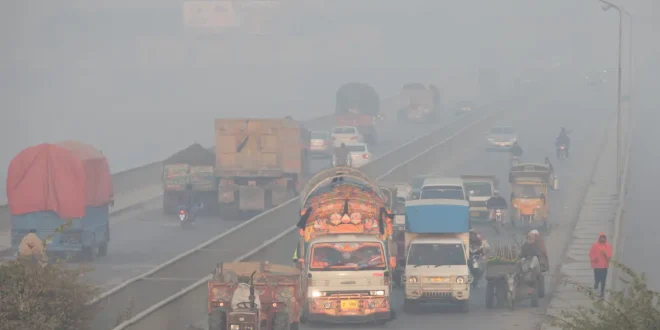
The air quality in Lahore, often dubbed the “Heart of Pakistan,” has once again plummeted to alarming, hazardous levels, casting a toxic pall over the city and its residents. Recent data from air quality monitoring platforms like IQAir revealed an Air Quality Index (AQI) soaring past 530, with fine particulate matter (PM2.5) concentrations recorded at a staggering 343 micrograms per cubic metre (µg/m³). This isn’t an isolated incident; several other urban centers across Punjab, including Gujranwala (topping the list with an AQI of 606), Faisalabad, Multan, and Sialkot, are grappling with similarly extreme levels of air pollution, signaling a widespread regional crisis.
These readings place these cities firmly in the “hazardous” category, signifying severe health warnings for the entire population. The rapid deterioration, observed within a matter of hours, underscores the volatile and critical nature of the situation.
Contextualizing the Crisis: Understanding Smog in Punjab
To fully grasp the severity of Punjab’s air pollution, it’s essential to understand the key metrics and underlying factors at play:
What are AQI and PM2.5?
- Air Quality Index (AQI): This is a scale used to report daily air quality. It tells you how clean or polluted your air is, and what associated health effects might be a concern for you. An AQI above 300 is considered “Hazardous,” posing serious health risks to everyone.
- PM2.5: Refers to atmospheric particulate matter (PM) that has a diameter of less than 2.5 micrometers, which is about 3% the diameter of a human hair. Due to their minute size, these particles can penetrate deep into the lungs, enter the bloodstream, and cause significant respiratory and cardiovascular health issues. The World Health Organization (WHO) recommends an annual average PM2.5 concentration of no more than 5 µg/m³, and a 24-hour average of no more than 15 µg/m³. Lahore’s current 343 µg/m³ is exponentially higher than these safe limits.
The Drivers of Punjab’s Persistent Pollution
Punjab’s recurring smog problem, particularly prevalent during the post-monsoon and early winter months, is a complex cocktail of meteorological conditions and anthropogenic activities:
- Agricultural Residue Burning (Crop Burning): Satellite data from NASA, analyzed by environmental monitors like HamariHawa, reveals a striking trend: over 13,000 fire spots were detected in Pakistani Punjab in October, with approximately 92% linked to farm-land burning, primarily rice crop residue. This practice, often seen as a quick and cheap method to clear fields for the next planting cycle, releases massive amounts of black carbon, carbon monoxide, and PM2.5 into the atmosphere. The sheer volume of fires, significantly higher than in neighboring Indian Punjab during the same period, points to it being a major contributor to the current smog episode.
- Industrial Emissions: Rapid industrialization, often with insufficient regulatory oversight and outdated technologies, contributes a steady stream of pollutants. Brick kilns, a common sight in the region, are particularly notorious for their high emissions.
- Vehicular Emissions: A burgeoning population and increasing vehicle ownership, coupled with poor fuel quality and inadequate vehicle maintenance, exacerbate urban air pollution. Traffic congestion further traps these emissions in city centers.
- Meteorological Conditions: As winter approaches, several weather phenomena worsen air quality. Weak winds fail to disperse pollutants, allowing them to accumulate. Atmospheric inversions, where a layer of warm air sits above cooler air, act like a lid, trapping pollutants close to the ground, leading to dense, persistent smog.
The Far-Reaching Impact on Pakistan
The deteriorating air quality is not merely an environmental concern; it constitutes a profound public health and socio-economic crisis for Pakistan.
Public Health Catastrophe
- Respiratory Diseases: Increased incidence of asthma, bronchitis, emphysema, and chronic obstructive pulmonary disease (COPD). Children and the elderly are particularly vulnerable.
- Cardiovascular Issues: Exposure to PM2.5 is linked to heart attacks, strokes, and other cardiovascular ailments.
- Premature Deaths: Studies consistently link prolonged exposure to high levels of air pollution to increased mortality rates.
- Other Health Concerns: Eye and throat irritation, skin problems, and even potential long-term neurological impacts. The “hazardous” AQI category means everyone is at risk of experiencing adverse health effects.
Socio-Economic Strain
- Economic Losses: Reduced productivity due to illness, increased healthcare expenditures, and potential impact on tourism and foreign investment.
- Educational Disruption: Schools are often forced to close during peak smog periods, disrupting children’s education.
- Quality of Life: Reduced visibility, restricted outdoor activities, and the constant threat to health significantly diminish the quality of life for millions.
Government Response and Challenges
While the Punjab government has claimed improvements, notably stating October 2026 as Lahore’s cleanest October in five years, independent analyses paint a more cautious picture. The Pakistan Air Quality Initiative (PAQI) highlighted that while PM2.5 concentrations did decrease by 27% compared to the previous year, this improvement was largely weather-driven. After accounting for natural atmospheric dispersion, the actual policy-driven improvement was a mere 4%, with pollution still exceeding national health standards every single day in October. This discrepancy underscores the challenge of accurately assessing the efficacy of anti-smog measures and the persistent, underlying nature of the problem.
Analysis: A Call for Comprehensive Action
The current spike in pollution in Lahore and across Punjab is a stark reminder that despite sporadic efforts, a robust, sustained, and multi-faceted approach is urgently needed to tackle Pakistan’s annual smog crisis.
Addressing the Root Causes
The overwhelming evidence pointing to agricultural residue burning as a primary driver demands immediate and stringent action. While banning the practice is one step, sustainable alternatives must be promoted and incentivized for farmers. These include:
- Happy Seeder Technology: Machines that allow sowing seeds directly without burning crop residue.
- Biofuel Production: Converting crop residue into biofuel or organic fertilizer.
- Public Awareness Campaigns: Educating farmers on the environmental and health impacts of burning.
- Enforcement: Stricter penalties for violations, coupled with adequate support for transitioning to cleaner practices.
Beyond agriculture, a holistic strategy must encompass:
- Industrial Regulation: Upgrading industrial processes, promoting cleaner technologies, and enforcing emissions standards.
- Vehicular Emissions Control: Improving fuel quality, promoting electric vehicles, enhancing public transport, and regular vehicle inspections.
- Urban Planning: Green infrastructure, promoting cycling and walking, and better waste management to prevent open burning of waste.
The Importance of Data and Transparency
The difference between government claims and independent scientific analysis by groups like PAQI highlights the critical need for transparent, publicly accessible, and weather-adjusted air quality data. Such data is vital for accurate problem assessment, effective policy formulation, and holding authorities accountable.
Regional Cooperation
Given the transboundary nature of air pollution, especially with agricultural burning in neighboring regions, enhanced regional cooperation on environmental policies and data sharing could also play a significant role in mitigating the problem.
Conclusion: A Breath of Fresh Air Requires Collective Will
Lahore and Punjab are caught in an environmental chokehold, with hazardous air quality becoming an annual public health emergency. The current surge, driven significantly by agricultural fires exacerbated by unfavorable weather, underscores the systemic challenges. Moving forward, a combination of political will, scientific guidance, strict enforcement, public awareness, and sustained investment in cleaner alternatives is paramount. Only through such a comprehensive and collaborative effort can Pakistan hope to secure a future where its citizens can breathe clean air and thrive.
“`