Dost Pakistan Journeys Tours and safaris in the North & South Pakistsn
Related Articles


Syria Weighs Joining Makkah Pact: A Strategic Shift in Regional Dynamics
In a significant development signaling potential shifts in Middle Eastern geopolitics, Syria is reportedly considering membership in the Makkah Joint Defence Agreement. This defensive pact, currently uniting Pakistan, Saudi Arabia, and Turkiye, could see its strategic reach expand considerably, prompting a reassessment of regional alliances and security frameworks.
The Latest Development: Syria’s Consideration of the Makkah Pact
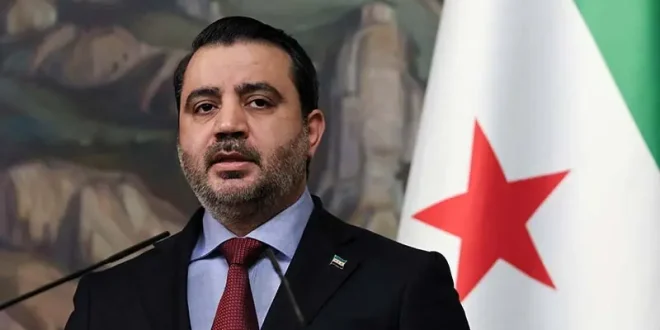
During the recent Manama Dialogue conference in Bahrain, Syrian Foreign Minister Asaad al-Shaibani announced that his government is actively evaluating whether to join the Makkah Joint Defence Agreement. This pact, formally signed on August 7th by Pakistan, Saudi Arabia, and Turkiye, operates on a core principle of collective security: an armed attack on any member is to be considered an attack on all.
Al-Shaibani’s remarks extended beyond the pact, reaffirming Syria’s support for Gulf nations against aggression and condemning drone and missile attacks, which have notably intensified against Saudi Arabia. Simultaneously, he criticized repeated Israeli actions on Syrian soil, reiterated Damascus’s sovereignty over the occupied Golan Heights, and called for the establishment of an independent Palestinian state. His statement, “Geography is destiny, and integration is a choice. We have chosen to make our territory a bridge for prosperity and the exchange of interests, and we stand as a bulwark against turning Syria into a platform for threatening neighbouring countries,” highlights Syria’s aspiration to transition from a battleground to a stabilizing force in the region.
The Makkah Defence Agreement has been consistently portrayed by its existing members, including Pakistan’s military leadership, as a purely defensive alliance devoid of offensive intent. This flexibility and emphasis on collective deterrence suggest an openness to new members who align with its vision for regional peace.
Contextual Background: A Region Redrawing Lines
Syria’s potential entry into the Makkah Pact is not an isolated event but a move deeply intertwined with its post-conflict trajectory and the broader, dynamic geopolitical landscape of the Middle East.
Syria’s Journey from Isolation to Re-engagement
For over a decade, Syria endured severe international isolation following its devastating civil war. However, in recent years, there has been a noticeable shift towards normalization, with several Arab states re-establishing diplomatic ties and Syria being reintegrated into the Arab League. This overture to the Makkah Pact signifies a further step in Damascus’s strategy to break its diplomatic solitude, seek stronger security assurances, and attract crucial support for the country’s extensive reconstruction needs.
The Makkah Defence Agreement: A Response to Rising Tensions
The Makkah Joint Defence Agreement itself emerged amidst a backdrop of escalating regional instability, particularly the persistent and increasingly sophisticated Houthi rebel attacks targeting Saudi Arabia. These assaults, including a recent strike that temporarily closed Riyadh’s international airport, underscore the urgent need for robust collective security mechanisms. The pact, bringing together Pakistan, Saudi Arabia, and Turkiye – three influential Muslim-majority nations with significant military capabilities – aims to provide a unified front for deterrence. International support for Saudi Arabia’s defence, including military assistance from France and the United Kingdom, further highlights the gravity of these regional threats.
Navigating the Complex Web of Regional Dynamics
The Middle East remains a crucible of intricate alliances and proxy conflicts. Syria’s potential alignment with the Makkah Pact could be interpreted as an attempt to diversify its strategic relationships, moving beyond its established ties with Iran and Russia. It suggests a pragmatic foreign policy aimed at fostering stability and economic recovery by engaging with a broader spectrum of regional powers, positioning itself as a “bridge” rather than a flashpoint.
Implications for Pakistan: Balancing Influence and Complexity
As a foundational member of the Makkah Joint Defence Agreement, Pakistan stands to experience multifaceted implications from Syria’s potential inclusion, enhancing its regional influence while navigating new geopolitical complexities.
Strengthening the Alliance and Expanding Reach
Syria’s membership would significantly expand the geographic footprint of the Makkah Pact, extending its strategic reach into the crucial Levant region. This expansion would naturally amplify Pakistan’s diplomatic leverage and its role within a more encompassing Middle Eastern security architecture. For Islamabad, a broader, more robust alliance translates into enhanced collective deterrence and greater stability in a region vital for its own strategic and economic interests.
A Delicate Geopolitical Balancing Act
Pakistan maintains deep-rooted defence and diplomatic ties with Saudi Arabia, while also actively pursuing improved relations with Iran. Syria’s close historical and contemporary links with Iran, as well as Russia, introduce a complex dynamic into the Makkah Pact. While this could present challenges to alliance cohesion, it also uniquely positions Pakistan as a potential bridge-builder, capable of fostering dialogue among diverse regional stakeholders. The Pakistani military’s stated position that the pact is open to “anyone who has a shared vision of collective deterrence and regional peace” underscores this inclusive, flexible approach, potentially even hinting at future overtures to Iran.
Opportunities for Enhanced Cooperation
Beyond security, Syria’s post-conflict reconstruction offers substantial opportunities for Pakistan, particularly in areas like infrastructure development, trade, and defence cooperation. Increased intelligence sharing and joint military exercises within an expanded alliance could further bolster the collective security capabilities of all member states, enabling a more coordinated response to shared threats such as terrorism and regional instability. This move could also open avenues for Pakistani industries and workforce to contribute to the economic recovery of a pivotal Arab nation.
Analysis: A New Chapter for Regional Security?
Syria’s deliberation on joining the Makkah Pact represents a potentially transformative moment for Middle Eastern security, reflecting a pragmatic evolution in Damascus’s foreign policy and offering a fresh paradigm for regional engagement.
Syria’s Strategic Motivations
For President Bashar al-Assad’s government, membership in the Makkah Pact offers a compelling array of strategic advantages. It promises formal security guarantees from influential regional powers, which are crucial for a state still grappling with internal recovery and external pressures. Economically, aligning with Saudi Arabia and Turkiye could unlock vital investment and reconstruction aid. Furthermore, the pact’s collective defence clause could serve as a deterrent against Israeli aerial strikes, which have frequently targeted Syrian territory. This move is a clear demonstration of Syria’s intent to normalize its international standing, diversify its alliances, and secure its long-term stability.
Navigating Intricacies and Unforeseen Consequences
The integration of Syria, with its profound ties to Iran and Russia, into an alliance primarily anchored by Saudi Arabia and Turkiye will undoubtedly entail significant geopolitical complexities. While the pact is explicitly defensive, the divergent foreign policy alignments of its potential members could test its operational cohesion and decision-making processes. However, the explicit openness of the pact to new members, even those with historically strained relations with existing signatories, suggests a deliberate strategy to broaden regional cooperation and foster a more inclusive security framework.
This initiative could signal a broader trend in the Middle East: a gradual pivot away from rigid, ideologically driven blocs towards more pragmatic, security-focused collaborations. If successfully integrated, Syria’s entry could pave the way for other regional actors to join, potentially de-escalating long-standing rivalries by embedding diverse states within a common security apparatus. It could foster greater dialogue and cooperation on shared threats like terrorism and cross-border instability, ultimately shifting the regional narrative from conflict to collective problem-solving.
Looking Ahead
The ultimate decision by Syria and the ensuing response from the existing members will serve as a crucial barometer for the future trajectory of the Makkah Joint Defence Agreement and, by extension, Middle Eastern security. This strategic maneuver presents both significant opportunities for enhanced regional stability and considerable challenges in managing the intricate web of existing alliances and historical rivalries. The international community will keenly observe whether this development truly ushers in a new era of collective security and integration for a region long characterized by deep divisions.
“`