Dost Pakistan Journeys Tours and safaris in the North & South Pakistsn
Related Articles



“`html
Diamer-Bhasha Dam: Pakistan’s Mega Project Secures Key Hydro-Mechanical Contract Towards Water, Food & Energy Security
The News
In a significant stride towards realizing one of its most ambitious national development projects, the Pakistan Water and Power Development Authority (WAPDA) recently finalized a substantial contract worth Rs133.18 billion for the Diamer-Bhasha Dam. The agreement, designated as the Hydro-Mechanical (HM-1) contract, was formally inked with the Power China-IKAN Joint Venture at Wapda House. This pivotal contract entrusts the joint venture with the critical tasks of manufacturing, supplying, and installing essential hydro-mechanical equipment and hydraulic steel structures. These components are vital for controlling water flows at various points of the dam, including flushing tunnels, power intakes, and main outlets. The scope also encompasses steel lining, hoisting and pumping systems, along with associated electrical infrastructure. This development marks a tangible progression for the multi-billion dollar project, widely recognized as a cornerstone for Pakistan’s future.
Background: The Vision Behind Diamer-Bhasha Dam
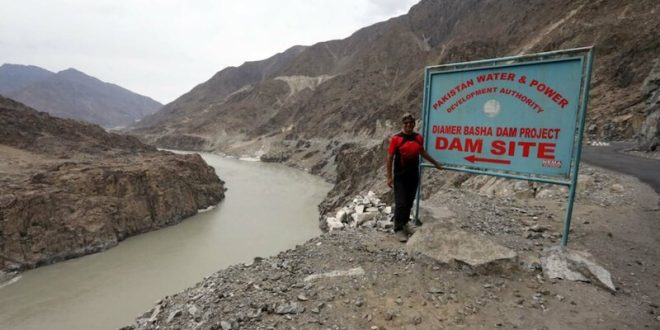
The Diamer-Bhasha Dam project represents a monumental undertaking on Pakistan’s Indus River, strategically located approximately 40 kilometers downstream of Chilas. Envisioned as a multi-purpose facility, its primary objectives are to bolster the nation’s water, food, and energy security – three interconnected pillars crucial for sustainable development and societal well-being. The concept of building a large storage reservoir at this site has been discussed for decades, reflecting a long-standing recognition of the country’s growing resource challenges.
Upon its eventual completion, the dam is projected to achieve a gross water storage capacity of an impressive 8.1 million acre-feet (MAF). This vast reservoir will be instrumental in regulating the flow of the Indus, a lifeline for Pakistan’s agrarian economy. Furthermore, the project is designed to incorporate an installed power generation capacity of 4,500 megawatts (MW), poised to significantly contribute to the national grid through clean, renewable hydropower.
The federal government has consistently championed Diamer-Bhasha as a priority project, underscoring its strategic importance amidst fluctuating climate patterns, population growth, and escalating energy demands. Securing the HM-1 contract with an international consortium like Power China-IKAN Joint Venture highlights the global collaboration and specialized expertise required for such a large-scale and complex engineering marvel.
Impact on Pakistan: A Multi-faceted Transformation
The successful execution and completion of the Diamer-Bhasha Dam are anticipated to usher in a transformative era for Pakistan, impacting several critical sectors:
- Enhanced Water Security: The dam’s colossal storage capacity will provide crucial irrigation water to vast agricultural lands, particularly during dry seasons. It will also serve to replenish groundwater reserves, mitigate the severity of devastating floods downstream, and address the looming threat of water scarcity for a rapidly expanding population. This storage is vital for climate resilience, offering a buffer against erratic rainfall patterns.
- Bolstered Food Security: With a more reliable and consistent supply of water for irrigation, agricultural productivity is expected to surge. This will directly contribute to greater crop yields, reduce dependence on imported food items, and enhance Pakistan’s overall food self-sufficiency, ensuring better nutrition for its citizens.
- Sustainable Energy Generation: The addition of 4,500 MW of clean hydropower will significantly diversify Pakistan’s energy mix, reducing its heavy reliance on expensive and environmentally impactful fossil fuels. This renewable energy source will not only lower the cost of electricity but also help stabilize the national grid, curb load shedding, and contribute to the country’s commitments towards combating climate change by lowering carbon emissions.
- Economic Stimulation and Job Creation: The multi-year construction phase and subsequent operational activities will generate a substantial number of direct and indirect employment opportunities, particularly in the Gilgit-Baltistan region. This influx of economic activity is expected to boost local economies, foster skill development, and potentially open avenues for tourism, creating long-term economic stability.
- Infrastructure Development: Beyond the dam itself, the project necessitates the development of ancillary infrastructure, including roads, bridges, and power transmission lines, which will further integrate remote regions into the national fabric and facilitate broader economic growth.
Analysis: A Tangible Step Forward in National Development
The signing of the Hydro-Mechanical (HM-1) contract for Diamer-Bhasha Dam represents more than just a procedural agreement; it signifies a critical milestone in the project’s journey from conception to reality. This contract focuses on the operational heart of the dam – the mechanisms that will control water flow and facilitate power generation. Its award indicates that the project is moving beyond initial civil works and into the advanced stages of installing core functional components.
The involvement of a prominent international player like Power China, known for its expertise in large-scale hydropower projects, underscores the global confidence in Pakistan’s infrastructure vision and its capacity to attract foreign investment and technical collaboration for strategic initiatives. This partnership is crucial for ensuring the project benefits from cutting-edge technology and efficient execution methodologies.
From an analytical perspective, this development solidifies the federal government’s unwavering commitment to seeing the Diamer-Bhasha Dam through to completion. Consistent political will and dedicated funding, often a challenge for mega-projects, appear to be aligned in this instance. The dam is a centerpiece of Pakistan’s long-term development strategy, aiming to future-proof the nation against mounting environmental and resource pressures. While significant challenges, including continued financial commitments, potential geological complexities, and the need for meticulous environmental and social impact management, will undoubtedly persist, this latest contract is a powerful indicator of tangible progress.
Ultimately, the Diamer-Bhasha Dam is not just an engineering feat; it’s a testament to Pakistan’s proactive approach to safeguarding its vital resources. By securing this crucial hydro-mechanical contract, the nation has taken a firm step closer to realizing a future defined by greater water resilience, food abundance, and energy independence.
“`