Dost Pakistan Journeys Tours and safaris in the North & South Pakistsn
Related Articles

“`html
Tragedy in Kot Addu: Unpacking Pakistan’s Rural Transport Safety Crisis
The recent devastating accident in Kot Addu, where a loader rickshaw plunged into the Muzaffargarh Canal, claiming at least 12 lives, including six minors, casts a stark spotlight on the persistent and often overlooked dangers of rural transportation in Pakistan. Beyond the immediate grief, this incident serves as a critical reminder of systemic failures in safety regulations, infrastructure, and public awareness that continue to cost precious lives across the nation.
The News: A Wedding Procession Ends in Tragedy
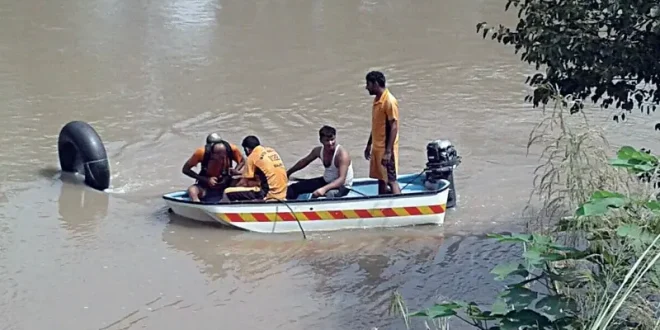
On a somber Monday night, a joyous occasion turned into an unimaginable tragedy near Kot Addu. A loader rickshaw, part of a wedding procession travelling from Lomar Wala to Basti Arain, lost control due to overspeeding and fell into the treacherous Muzaffargarh Canal. The overloaded vehicle, reportedly carrying 24 individuals, was ill-equipped for such a burden, especially at speed. Initial rescue efforts, involving local communities and Rescue 1122, managed to save six people and recover three bodies. However, as the operation continued into Tuesday, nine more bodies were retrieved, bringing the grim toll to 12. Rescuers faced immense challenges, with the canal’s depth (12-15 feet), width (100-120 feet), and strong water flow (2,500-4,000 cusecs) complicating the search. Bodies were found several kilometers downstream, highlighting the immense power of the waterway. This incident tragically echoes a similar event earlier this year, where at least four people were killed and 28 injured when a bus carrying a wedding procession overturned in Punjab’s Lodhran district, underscoring a disturbing pattern of transport-related accidents during celebratory events.
Background: The Unseen Dangers of Rural Journeys
The Kot Addu tragedy is not an isolated event but a manifestation of deep-seated issues within Pakistan’s rural transport landscape. To understand this accident, it’s crucial to examine several contributing factors that commonly plague remote communities:
- Loader Rickshaws: A Dual-Purpose Dilemma: Originally designed for commercial goods transport, loader rickshaws are commonly, and often illegally, modified to carry passengers in many parts of Pakistan. Their affordability, availability, and ability to navigate rough terrain make them a preferred, albeit unsafe, mode of transport for rural communities lacking better alternatives. However, they lack the structural integrity, safety features, and stability required for passenger movement, especially when dangerously overloaded.
- Rural Transport Challenges: In Pakistan’s vast rural areas, access to formal, regulated public transport is often limited or non-existent. This forces communities to rely on informal, often hazardous, options. Poor road infrastructure, including unpaved paths and lack of protective barriers along waterways, exacerbates the risks. Economic constraints frequently mean that safety takes a back seat to cost-effectiveness, leading to risky choices like severe overloading.
- Wedding Processions and Overcrowding: Weddings are significant cultural events in Pakistan, characterized by large gatherings and celebratory travel between villages. It’s common for multiple vehicles to ferry guests, and the excitement can sometimes lead to relaxed safety precautions. The pressure to accommodate all guests, combined with limited transport options, frequently results in vehicles being dangerously overloaded, turning a joyous journey into a perilous one.
- Canal Proximity and Lack of Barriers: Pakistan’s extensive canal network, vital for irrigation, often runs parallel to or crosses rural roads. While essential for agriculture, these canals pose a significant hazard, especially when roads lack proper protective barriers or guardrails. Vehicles veering off course due to speeding, driver error, or mechanical failure can easily plunge into the water, with devastating consequences, particularly given the strong currents and depth typical of these irrigation channels.
Impact on Pakistan: A Recurring Nightmare
The Kot Addu incident, like others before it, reverberates far beyond the immediate families, sending ripples through the fabric of Pakistani society:
- Profound Human Cost and Trauma: The loss of 12 lives, especially innocent children, inflicts unimaginable grief on the affected families and entire communities. Such tragedies leave lasting psychological scars, impacting survivors, witnesses, and rescue workers alike.
- Exposing Public Safety Gaps: This accident glaringly exposes critical deficiencies in public transport safety regulations and their enforcement, particularly in underserved rural regions. It highlights the urgent need for a robust system that prioritizes human life over expediency and informal solutions.
- Economic Repercussions: While the emotional toll is immense, there are also tangible economic consequences. The loss of breadwinners or family members can push already vulnerable families deeper into poverty, creating a ripple effect on their livelihoods and future prospects.
- Urgent Calls for Government Action: Each such tragedy ignites public outrage and renews calls for governmental accountability and proactive measures. It pressures authorities to address the root causes and implement lasting solutions rather than temporary fixes, particularly concerning road safety and transport regulations.
- Damage to National Image: Pakistan’s road safety record is a persistent concern, with thousands of fatalities annually. Incidents like the Kot Addu tragedy further underscore this challenge on a national and international level, signaling the need for comprehensive reforms in infrastructure, vehicle standards, and enforcement.
Analysis: Systemic Failures Demand Systemic Solutions
The Kot Addu canal accident is not merely a consequence of “overspeeding” as stated in the initial report; it is a tragic culmination of several systemic failures and socio-economic factors. While driver error played a role, the broader context reveals deeper issues that demand immediate and sustained attention:
- Unsuitable Vehicles & Overloading: The fundamental problem lies in the use of loader rickshaws – vehicles designed for cargo – to transport a large number of passengers. These vehicles lack basic safety features like seatbelts, proper seating, and stability for human transport. Overloading further compromises their balance, braking capabilities, and steering, making them highly susceptible to accidents, especially at speed or on uneven terrain.
- Lax Enforcement & Regulatory Gaps: The continuous operation of such dangerously modified and overloaded vehicles points to a severe breakdown in traffic law enforcement and regulatory oversight. There’s a clear need for stricter checks on vehicle fitness, passenger capacity, and driver licensing, particularly in rural areas where enforcement is often weakest. The absence of effective penalties or a consistent presence of traffic authorities allows these perilous practices to persist unchecked.
- Inadequate Infrastructure: The incident highlights the peril of roads running alongside deep canals without adequate protective barriers or guardrails. While Pakistan’s canal system is vast, safety infrastructure along these waterways is often neglected. Investing in safety railings, improved road conditions, proper signage, and better lighting in high-risk areas is crucial to prevent vehicles from veering into canals.
- Poverty & Lack of Alternatives: At the heart of the issue is often economic hardship. Many rural communities opt for cheaper, unregulated transport options because safe, affordable, and readily available public transport alternatives are simply not there. This forces individuals to make dangerous choices out of necessity, not preference, perpetuating a cycle of risk.
- Public Awareness & Cultural Practices: While enforcement is key, public awareness campaigns about the dangers of overloading and using unsuitable vehicles are also vital. Cultural practices around wedding processions, where the focus is often on celebratory movement rather than strict safety, also need to be addressed through targeted educational initiatives.
To prevent future such catastrophes, Pakistan needs a multi-pronged approach encompassing policy, enforcement, infrastructure, and public education:
- Stricter Vehicle Regulations and Fitness Standards: Enforcing bans on passenger transport by goods vehicles and implementing rigorous, regular fitness checks for all public transport vehicles across the country.
- Enhanced Traffic Law Enforcement: Implementing a zero-tolerance policy for overloading, overspeeding, and operating unregistered or unsafe vehicles, with a particular focus on improving enforcement presence in rural districts.
- Infrastructure Development: Prioritizing the construction of guardrails along canals, improving road conditions, and installing proper signage and lighting in accident-prone areas.
- Investment in Safe Public Transport: Developing and subsidizing affordable, safe, and regulated public transport networks to adequately serve rural populations, offering viable and secure alternatives to makeshift solutions.
- Public Awareness and Education: Launching nationwide campaigns to educate communities, drivers, and passengers about transport safety risks and the critical importance of adhering to regulations and choosing safe transport options.
The Kot Addu tragedy is a stark reminder that road and transport safety is not just about individual responsibility; it’s a collective challenge rooted in governance, infrastructure, and socio-economic factors. Addressing these systemic issues comprehensively is the only way to prevent more joyous occasions from turning into heartbreaking losses on Pakistan’s roads and waterways.
“`