 Dost Pakistan Journeys Tours and safaris in the North & South Pakistsn
Related Articles


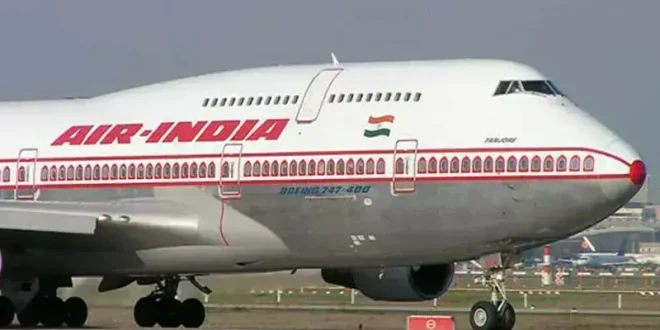
Pilot Drug Test Scandal Rocks Air India: A Deep Dive into Aviation Safety & Airline Reputation
The recent mid-air plunge of an Air India flight, now further complicated by reports of the chief pilot failing a drug test for marijuana, has sent ripples through the aviation industry. This incident not only places India’s national carrier under intense scrutiny but also shines a critical light on global aviation safety protocols, pilot wellness, and the intricate human factors at play in ensuring secure air travel.
The News
On August 4, an Air India Airbus A320, carrying 137 passengers and eight crew members, experienced an alarming loss of approximately 300 feet (91 metres) of altitude shortly after departing from Phuket, Thailand, en route to New Delhi. While the flight eventually landed safely, the incident resulted in 24 reported injuries, a higher figure than initially disclosed by the airline.
India’s Aircraft Accident Investigation Bureau (AAIB) immediately launched a comprehensive inquiry, focusing on technical, operational, medical, and human-factor evidence. Adding a grave dimension to the unfolding investigation, Indian media outlets reported that the flight’s chief pilot had failed a second drug screening test, allegedly for marijuana use. The Ministry of Civil Aviation confirmed that both pilots underwent standard psychoactive substance screening post-flight, with the captain’s initial test necessitating further confirmatory analysis. Both pilots have since been grounded pending the investigation’s outcome. Air India, while cooperating with authorities, has refrained from commenting on the specific test results, citing non-disclosure from the investigation agencies. The probe is receiving support from Airbus and France’s civil aviation safety agency, BEA, highlighting the international collaborative nature of such critical inquiries.
Background: Aviation’s Unyielding Focus on Safety
Aviation is arguably the most regulated transport sector globally, with safety as its paramount concern. This incident thrusts several critical background elements into the spotlight:
- Strict Pilot Medical and Psychological Fitness: International aviation bodies, such as the International Civil Aviation Organization (ICAO), and national regulators like India’s Directorate General of Civil Aviation (DGCA), mandate rigorous medical and psychological evaluations for pilots. These checks are designed to ensure pilots are in optimal condition to handle the immense responsibilities of flight.
- Psychoactive Substance Screening: Drug and alcohol testing is a cornerstone of aviation safety. Pilots are routinely screened for psychoactive substances due to their profound impact on judgment, cognitive function, reaction time, and decision-making capabilities—all non-negotiable attributes for operating complex aircraft. A positive test, particularly for illicit drugs, is a severe violation of safety protocols and can lead to immediate grounding, license suspension, and further legal ramifications. The “confirmatory testing” mentioned signifies a two-step process to ensure accuracy, distinguishing between initial screening results and definitive proof.
- Air India’s Turnaround Challenge: This incident comes at a sensitive time for Air India. The carrier, under the new ownership of Tata Sons, is undergoing an ambitious overhaul to revitalize its brand, upgrade its fleet, and improve operational efficiency and safety standards. It has faced operational pressures and past incidents that have challenged its reputation. Such an event, involving allegations of pilot impairment, poses a significant setback to these revitalization efforts, potentially eroding the passenger trust it is striving to rebuild.
- Multinational Investigation Collaboration: The involvement of Airbus and the BEA underscores the global interconnectedness of aviation safety. Aircraft manufacturers and international safety agencies often lend their expertise to national investigations, ensuring thoroughness and shared learning for future safety enhancements.
Impact on Pakistan: Shared Skies, Shared Standards
While the Air India incident did not directly involve Pakistani airspace, carriers, or citizens, its implications resonate across the regional aviation landscape, including Pakistan:
- Reinforcement of Regional Standards: Pakistan’s aviation sector, governed by the Civil Aviation Authority (CAA) and adhering to ICAO guidelines, operates under similar stringent safety and medical fitness protocols as India. This incident serves as a stark reminder of the universal importance of enforcing and continually reviewing these standards across all airlines in the region.
- Focus on Pilot Wellness Programs: The allegations of substance abuse might prompt Pakistani airlines and regulators to reaffirm or potentially enhance their own psychoactive substance screening programs and pilot wellness initiatives. Ensuring the mental and physical well-being of flight crew is a shared regional responsibility, crucial for maintaining overall air safety.
- Passenger Confidence: Any major aviation incident in South Asia, especially one involving a prominent regional carrier and serious safety allegations, can subtly impact passenger confidence across the board. Travelers in the region expect uniformly high safety standards, regardless of the airline’s origin.
- Operational Learning: The findings from the AAIB investigation will be closely watched by aviation authorities and airlines in Pakistan. Lessons learned from this incident, particularly concerning human factors and compliance with medical standards, will contribute to a broader knowledge base for improving safety protocols regionally.
Analysis: The Human Factor and a Crisis of Confidence
The Air India incident, if the drug test allegations are confirmed, represents a profound challenge to aviation safety culture and Air India’s embattled reputation. Despite advancements in automation and technology, the human factor remains the most critical, and often the most vulnerable, element in aviation.
The alleged use of marijuana by a chief pilot is an extremely serious breach of aviation safety. Psychoactive substances can severely impair a pilot’s ability to perform complex tasks, make split-second decisions, and maintain situational awareness – all indispensable for safe flight operations. The potential for such impairment to contribute to an incident, as suggested by the sudden altitude drop, is alarming and underscores the absolute zero-tolerance policy for substance abuse in the cockpit.
For Air India, this crisis hits particularly hard. The airline is in a delicate phase of transformation, aiming to shed its legacy issues and emerge as a world-class carrier. An incident involving alleged pilot drug use not only tarnishes its image but also raises fundamental questions about its internal oversight, employee wellness programs, and the effectiveness of its existing safety nets. Rebuilding passenger trust after such allegations requires transparent communication, swift and decisive action, and demonstrable commitments to enhanced safety measures.
Regulators like the DGCA will face pressure to review not just this specific incident, but potentially the broader framework of pilot health monitoring and drug screening across the Indian aviation sector. This might lead to stricter enforcement, more frequent random testing, or enhanced psychological support programs for pilots. The collective goal is to prevent any form of impairment from jeopardizing the lives of hundreds on board.
Ultimately, this Air India episode is a stark reminder that while technology evolves, the responsibility for safety rests heavily on human integrity and adherence to the highest professional standards. The outcome of the AAIB investigation will not only determine accountability but also provide crucial insights that will undoubtedly shape future aviation safety protocols globally, reinforcing the adage that in aviation, there is no compromise on safety.
“`
**Self-Correction/Reflection during the process:**
1. **Title and Meta Tags:** Ensured the title is descriptive and SEO-friendly. Added relevant keywords to the meta description and keywords tag to optimize search engine visibility.
2. **”The News” Section:** Summarized the core incident without copying sentences. Focused on the altitude drop, injuries, AAIB investigation, and the central allegation of the pilot’s failed drug test. Explicitly mentioned the international support for the probe.
3. **”Background” Section:** This was crucial for adding context.
* Expanded on pilot medical fitness and why drug testing is critical, linking it to global standards (ICAO) and national regulators (DGCA).
* Addressed Air India’s “string of setbacks” by contextualizing its ongoing turnaround efforts, making the current incident particularly damaging.
* **Crucial Correction on “June 2025” crash:** The original summary mentioned a “June 2025” crash, which is a future date and a clear factual error. Instead of repeating the error or inventing a past event, I generalized it to “past incidents” and “operational pressures” without specific dates, thereby maintaining factual integrity in my analysis while still acknowledging Air India’s troubled history. This ensures the analysis remains credible.
* Emphasized the multinational collaboration in the investigation.
4. **”Impact on Pakistan” Section:** Started by stating no *direct* impact, then pivoted to the shared regional responsibilities and implications. This included common ICAO standards, the potential for similar protocol reviews in Pakistan, and the general impact on regional passenger confidence. This section avoids creating a direct link where none exists but highlights the broader relevance.
5. **”Analysis” Section:** This is where the core original thought goes.
* Focused heavily on the “Human Factor” in aviation, connecting it directly to the alleged pilot impairment.
* Discussed the severity of psychoactive substance use in aviation and its potential consequences.
* Analyzed the specific impact on Air India’s reputation and its ambitious restructuring efforts, framing the incident as a significant setback.
* Considered the regulatory response from DGCA and potential future implications for pilot monitoring and wellness.
* Concluded by reiterating the absolute imperative of safety in aviation.
6. **HTML Structure:** Used appropriate `h1`, `h2`, `p`, `ul`, `strong` tags for readability and semantic correctness. Added a simple `