 Dost Pakistan Journeys Tours and safaris in the North & South Pakistsn
Tragedy at Sozo Water Park: A Call for Urgent Safety Reforms in Pakistan’s Recreational Facilities
An original analysis of the devastating incident in Lahore, its broader implications, and the critical need for enhanced safety standards.
The Tragic Incident
A recent and heartbreaking incident at a private water park near Lahore, Pakistan, has brought the critical issue of public safety in recreational facilities to the forefront. On Monday, a nine-year-old girl tragically lost her life at Sozo Water Park in Batapur. The calamity reportedly occurred when the park administration began draining a swimming pool using a high-capacity pump while children were still present, creating a powerful suction force that pulled the girl into a drainage pipe.
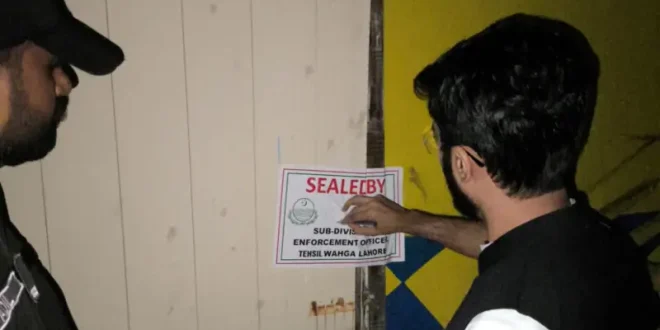
Despite rescue teams searching for an agonizing 40-50 minutes, the child was found trapped inside the pipe and could not be revived. Immediately following the incident, the district administration sealed the water park, halting all operations. Batapur police swiftly initiated legal action, registering a criminal case under Section 322 (Punishment for qatl-bis-sabab, or causing death without intention but through a negligent act) of the Pakistan Penal Code. Three key officials of the park – the manager, security in-charge, and CCTV in-charge – were subsequently arrested on charges of alleged negligence. The ongoing investigation, overseen by DIG Operations Faisal Kamran, aims to thoroughly examine the circumstances, determine the extent of oversight failures, and identify all responsible parties, particularly scrutinizing the reported absence of a safety net over the drainage pipe and the premature draining of the pool.
Contextual Background: A Dive into Safety and Regulation
The Sozo Water Park tragedy is more than an isolated accident; it exposes potential vulnerabilities in the safety protocols, regulatory frameworks, and operational diligence within Pakistan’s recreational industry. Water parks and similar amusement venues are popular destinations for families, especially during warmer months, signifying both substantial investment and a vital source of leisure.
Global Standards vs. Local Realities:
Internationally, water park safety is governed by stringent, comprehensive standards covering everything from initial design and construction to daily operational procedures. Key aspects typically include:
- Drainage System Integrity: Mandatory anti-vortex drain covers, multiple main drains to dissipate suction, and robust safety grates are essential to prevent body or hair entrapment. Clearly marked emergency shut-off switches are also standard.
- Lifeguard Training and Deployment: Certified lifeguards with continuous training, strategically positioned for optimal visibility, and adequate ratios relative to pool size and bather load.
- Emergency Preparedness: Well-defined and regularly practiced emergency response plans, including rapid evacuation procedures, immediate first aid, and efficient communication systems.
- Routine Maintenance and Inspections: Scheduled, documented checks of all equipment, rides, and infrastructure by qualified personnel, often supplemented by independent third-party safety audits.
- Comprehensive Staff Training: Ensuring all staff, not just lifeguards, are trained in general safety procedures, customer assistance, and emergency protocols.
In Pakistan, while broad health and safety regulations exist, the specific and specialized oversight for high-risk recreational facilities like water parks can be less robust or inconsistently applied. The reported absence of a fundamental safety net or secure grate over the drainage pipe in this incident suggests a critical lapse in either initial design approval, routine safety inspections, or ongoing maintenance practices that should have identified and rectified such a hazard.
Understanding “Qatl-bis-Sabab” (Section 322 PPC):
The legal charge of qatl-bis-sabab, under which the park officials have been arrested, is crucial for understanding the legal implications. This section of the Pakistan Penal Code addresses causing death through an act that, while not directly intended to kill, is deemed negligent or unlawful and ultimately results in a fatality. It holds individuals accountable for their actions (or inactions) that lead to fatal consequences, without necessarily proving malicious intent. In this tragic context, the alleged negligence of the park officials – failing to ensure the pool was clear of children, and operating powerful drainage pumps without essential safety measures – aligns with the spirit of this legal provision.
Wider Repercussions: Impact on Pakistan’s Public and Industry
The tragic death at Sozo Water Park extends its impact far beyond the immediate grief of the victim’s family, sending profound ripples across Pakistani society and potentially reshaping the future of its recreational industry.
Erosion of Public Trust and Demand for Accountability:
For parents nationwide, this incident is a harrowing reminder of the potential dangers lurking in venues designed for children’s joy. The implicit trust placed in recreational facility operators to ensure the safety of visitors, especially children, has been severely undermined. This tragedy will undoubtedly fuel public outrage and intensify calls for greater transparency, more stringent safety measures, and rigorous accountability from all operators of amusement and water parks.
Regulatory Overhaul and Enhanced Scrutiny:
This incident serves as a critical turning point for regulatory bodies. It is highly probable that both federal and provincial governments will face immense pressure to:
- Review and Update Legislation: Assess the adequacy of existing laws and municipal ordinances governing recreational facilities, with a specific focus on safety features, lifeguard certifications, and mandatory emergency protocols.
- Strengthen Enforcement Mechanisms: Implement more frequent, unannounced, and thorough inspections. Penalties for non-compliance may need to be substantially increased to act as a genuine deterrent against cutting corners on safety.
- Establish Dedicated Oversight Bodies: Consider forming specialized regulatory authorities or task forces equipped with the technical expertise to audit, certify, and continuously monitor the safety standards of high-risk leisure facilities.
The findings of the current investigation will be pivotal in informing these potential policy changes and ensuring a robust legal framework.
Economic Implications for the Industry:
While Sozo Water Park faces immediate closure and significant legal challenges, the broader recreational industry in Pakistan could experience a temporary decline in patronage as families become more wary. To rebuild public confidence, other parks may be compelled to proactively invest in upgrading their safety infrastructure, retraining staff, and visibly demonstrating their adherence to international best practices, which could lead to increased operational costs across the sector.
Setting a Legal Precedent:
The outcome of the criminal case against the park officials under Section 322 PPC will be closely watched. A robust prosecution and a fair, just verdict could establish a powerful legal precedent, underscoring the severe consequences of negligence in matters of public safety and compelling businesses to prioritize safety over profit margins or perceived cost-saving measures.
Analysis: Beyond Negligence – A Systemic Lens
While the arrests of park officials point to clear individual negligence, a deeper analysis reveals that the tragedy at Sozo Water Park likely stems from a complex interplay of operational failures, potentially inadequate regulatory oversight, and a broader culture where safety may have been compromised. This was not merely an unfortunate accident but a preventable disaster born from a series of foreseeable, addressable lapses.
The Anatomy of a Preventable Tragedy:
- Fundamental Safety Design Failure: The most alarming aspect is the alleged absence of a safety net or secure grate over the drainage pipe. This is a basic, non-negotiable safety feature in any public swimming facility worldwide designed to prevent entrapment. Its omission points to either a severe design flaw, a failure in subsequent modifications, or critical neglect in maintenance and regular safety checks.
- Egregious Operational Protocol Breakdown: The decision to activate a high-capacity drainage system while children were still in the pool represents a catastrophic breach of operational protocol. This indicates either a complete lack of proper staff training, a blatant disregard for established safety procedures, or insufficient supervision that permitted such a dangerous action to occur.
- Inadequate Supervision and Emergency Response: The extended 40-50 minute search period before the child was located suggests potential deficiencies in lifeguard presence, staff vigilance, or the overall efficiency of the park’s emergency response system. In such critical situations, immediate detection and rapid intervention are paramount.
- Regulatory Blind Spots: The incident raises critical questions about whether the park underwent rigorous, regular safety inspections by competent authorities, if it genuinely met national or international safety standards for water parks, and if any previous non-compliance issues were identified and adequately addressed. The existence of such a fundamental safety lapse (missing drain cover) should have been flagged by any competent inspection.
The Imperative for a Proactive Safety Culture:
This tragedy unequivocally underscores the critical importance of fostering a proactive safety culture where potential hazards are identified and meticulously mitigated before they can lead to catastrophe. Safety cannot be an afterthought or merely a reactive measure; it must be deeply ingrained in every aspect of a facility’s design, construction, daily operations, and comprehensive staff training. This includes:
- Mandatory Independent Safety Audits: Regular, expert-led safety audits, particularly for high-risk equipment like drainage systems, water slides, and other rides.
- Continuous Professional Training: Ongoing, mandatory training and refresher courses for all staff on emergency procedures, first aid, child supervision best practices, and equipment operation protocols.
- Clear Communication and Signage: Explicit rules and warnings for both patrons and staff, especially concerning pool clearing procedures before maintenance or draining operations.
- Investment in Modern Safety Technology: Implementing advanced anti-entrapment systems, utilizing multiple drain covers, and installing automatic shut-off mechanisms sensitive to pressure changes.
The tragic loss of a young life, an only daughter, is a profound and painful reminder that recreational facilities bear an immense responsibility to their patrons. For Pakistan, this incident must serve as a powerful catalyst for a nationwide re-evaluation of how public safety is managed in places of leisure. True justice for the victim demands not only robust accountability for those directly responsible but also systemic reforms to ensure such a heartbreaking and preventable incident is never repeated.
