 Dost Pakistan Journeys Tours and safaris in the North & South Pakistsn
Related Articles

“`html
Pakistan’s Economic Artery Clogged: Transporters’ Strike Imperils Industry & Exports
The News: A Standstill Threatens Supply Chains
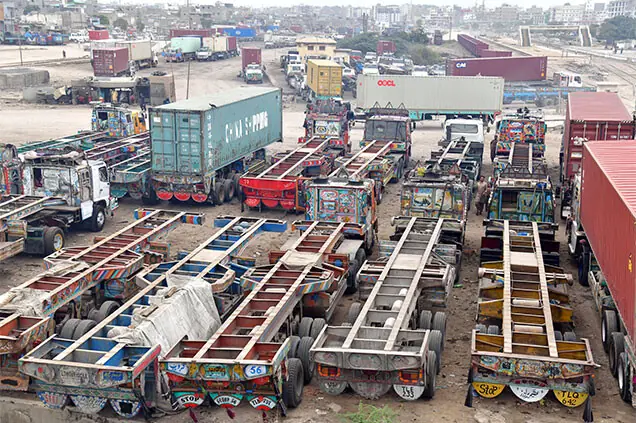
A comprehensive nationwide strike by goods transporters and oil tanker operators has thrown Pakistan’s vital supply chains into disarray, commencing on Saturday, August 9th, 2026. This significant protest has led to the suspension of movement for over 400,000 goods-carrying vehicles, ranging from small pickups to large cargo trucks, effectively halting the flow of raw materials, finished products, and essential fuel across the country. The Pakistan Goods Transporters Alliance has affirmed its resolve to continue the strike until crucial talks with relevant government ministers, scheduled for Monday, yield concrete and satisfactory resolutions to their longstanding demands. This disruption immediately raised alarms among manufacturers and exporters, who warn of production halts and a severe blow to the nation’s fragile economy.
Background: Underlying Pressures on a Critical Sector
The current transporters’ strike is not an isolated incident but rather a dramatic manifestation of mounting economic pressures and unaddressed grievances within Pakistan’s logistics sector. The country has been navigating a challenging economic landscape, marked by persistent inflation, currency devaluation, escalating energy costs, and an urgent need to bolster its export earnings. In such an environment, the efficiency and stability of the transportation network become paramount for national economic health.
Transporters, forming the literal backbone of trade and industry, are articulating several key demands:
- Fuel Price Volatility: A primary concern is the government’s recently introduced daily fuel price fixation mechanism. Operators argue that this daily fluctuation makes it impossible to accurately calculate and commit to transportation charges for journeys that can span several days. This unpredictability introduces significant financial risk and logistical complexity for both transporters and the businesses relying on them, leading to losses and contractual disputes. They advocate for a return to a more stable monthly price review system.
- Taxation Disparity: Transporters are calling for a reduction in the withholding tax on their services from 7% to 2%, seeking parity with oil carriers who already benefit from the lower rate. This highlights a perceived unfair burden and an imbalance in the tax regime affecting different segments of the transport industry.
- Unfulfilled Commitments: A significant point of contention is the government’s alleged failure to honor commitments made in a charter of demands signed in December 2025. This historical context underscores a deeper issue of trust deficit and a perceived lack of follow-through from authorities.
- Operational Hurdles: Additional grievances include the proliferation of toll plazas at short intervals (approximately every 30km) with high rates, leading to increased operational costs and transit times. Issues related to designated parking facilities for heavy vehicles near ports and complexities in obtaining and renewing driving licenses also contribute to the transporters’ frustrations.
These issues collectively paint a picture of a critical sector feeling overburdened, under-supported, and ignored, leading to this drastic measure to draw governmental attention.
Impact on Pakistan: A Looming Economic Crisis
The ramifications of a prolonged transporters’ strike extend far beyond the immediate inconvenience, posing a severe threat to Pakistan’s already struggling economy:
- Industrial Paralysis: Factories across the country are facing an imminent halt in production. Without the timely supply of raw materials, manufacturing units cannot operate, leading to potential shutdowns, missed production targets, and significant financial losses for industries. This directly impacts output across sectors, from textiles and pharmaceuticals to food processing.
- Jeopardized Exports: Pakistan’s export sector, a crucial source of foreign exchange, is particularly vulnerable. Delayed dispatch of finished goods means export consignments will fail to reach international buyers on schedule. This can result in hefty penalties, reduced prices, claims for damages, and severe reputational damage, pushing already struggling exporters further into distress and exacerbating the country’s balance of payments issues.
- Supply Chain Breakdown: The disruption isn’t limited to industrial inputs. The entire national supply chain for consumer goods, agricultural produce, and critical commodities could face severe bottlenecks. This could lead to shortages of essential items in markets, driving up prices and creating inflationary pressures that disproportionately affect ordinary citizens.
- Economic Contraction & Job Losses: Stalled industrial activity and crippled exports will inevitably lead to a contraction in economic growth. Manufacturers warn of widespread job losses if factories are forced to close or scale down operations due to lack of inputs or inability to dispatch products, creating a socio-economic crisis.
- Increased Financial Burden: Businesses, already grappling with high production costs, exorbitant energy tariffs, and high financing expenses, will face additional financial strain. Delays in revenue generation due to halted sales and potential penalties will further weaken their financial resilience, particularly for Small and Medium-sized Enterprises (SMEs).
The SITE Association of Industry President underscored the gravity of the situation, warning that a prolonged strike could lead to an “entire collapse” of the country’s industrial and supply chain framework, with devastating consequences for employment and national income.
Analysis: A Call for Strategic Economic Governance
The current transporters’ strike is a stark indicator of the deep-seated structural issues and governance challenges within Pakistan’s economy. While the government’s shift to a daily fuel price mechanism might be an attempt to align with global market prices or reduce subsidies, its implementation has clearly overlooked the practical implications for key economic actors like transporters. A predictable operating environment is crucial for businesses to thrive, and daily price fluctuations undermine this fundamental requirement.
The demand for tax equity (reducing withholding tax to 2%) highlights a common complaint among various sectors about an often-inconsistent and burdensome tax regime. When similar services are taxed differently, it creates disincentives and a sense of unfairness, fueling discontent. Furthermore, the sheer number of toll plazas and their high rates reflect a fragmented approach to infrastructure financing, placing the burden directly on commercial transporters, which is ultimately passed down to consumers through higher prices for goods.
The recurring theme of unfulfilled commitments from past agreements points to a broader systemic issue of trust and effective dialogue between the government and vital economic stakeholders. A failure to address grievances proactively and to honor pledges inevitably leads to escalations that paralyse the economy.
To navigate this crisis, the government must adopt a multi-pronged approach. Immediate priority must be given to constructive negotiations with the Goods Transporters Alliance to resolve the strike by addressing their core demands, potentially through a review of the fuel price mechanism, tax structure, and toll charges. However, beyond the immediate resolution, this incident serves as a critical opportunity for a strategic rethink of economic governance.
A long-term strategy must include:
- Policy Predictability: Ensuring stable and predictable policy frameworks, especially concerning key input costs like fuel and energy, to allow businesses to plan and operate efficiently.
- Tax Rationalization: Simplifying the tax regime, ensuring fairness across sectors, and expediting tax refunds to improve liquidity for businesses.
- Ease of Doing Business: Implementing genuine reforms that reduce bureaucratic hurdles, improve infrastructure, and create an investor-friendly environment.
- Stakeholder Engagement: Establishing robust mechanisms for ongoing dialogue with industrial and commercial bodies to anticipate and address issues before they escalate into disruptive protests.
Pakistan’s economic recovery hinges on the resilience of its industrial and export sectors. Allowing core components of the economy, such as transportation, to remain in prolonged distress will not only undermine current recovery efforts but also inflict lasting damage on the nation’s economic potential.
“`