Dost Pakistan Journeys Tours and safaris in the North & South Pakistsn
Related Articles
“`html
Lahore Metro Bus Crisis: Fuel Costs Threaten Public Transport & Urban Mobility in Pakistan
Key Insights from the Crisis:
- Service at Risk: The private operator of the Lahore Metro Bus is set to suspend services from August 11, citing unsustainable fuel costs and failed negotiations with the Punjab Mass Transit Authority (PMA).
- Legal vs. Bureaucratic Standoff: The company points to a court order directing PMA to supply fuel, which the PMA admits it cannot implement without government approval, while simultaneously challenging the order and labeling the company’s action as “blackmail.”
- Flaws in PPP Models: The dispute highlights critical vulnerabilities in Public-Private Partnership (PPP) contracts in Pakistan, particularly their inability to adapt to volatile economic conditions and rapidly increasing operational expenses.
- Broader Implications: This crisis jeopardizes urban mobility for thousands, potentially setting a concerning precedent for essential infrastructure projects and casting doubts on the efficacy of government-private collaborations in the country.
- Call for Reform: The situation underscores the urgent need for a more dynamic and responsive policy framework for public transport, including robust contract renegotiation clauses and expedited dispute resolution mechanisms.
The Immediate Crisis: Lahore’s Commuters Face Uncertainty
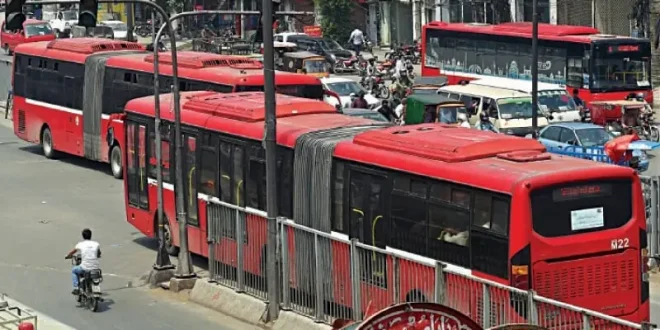
The bustling city of Lahore faces a looming transportation crisis as the private firm managing the 27-kilometer Gajjumata-Shahdra route of the Lahore Metro Bus service announced its decision to cease operations from August 11. This drastic step follows a prolonged deadlock in negotiations with the Punjab Mass Transit Authority (PMA) concerning the escalating burden of fuel costs and the operator’s inability to sustain mounting financial losses.
According to the private firm, its financial resources are exhausted, making continued operations untenable. It cites unaddressed letters and a recent meeting where the PMA failed to propose a solution, despite a July 29 court order explicitly directing the authority to provide fuel from its own sources. The company asserts that the suspension will be a direct consequence of PMA’s non-compliance with the court’s directive.
Conversely, the PMA has termed the firm’s move an act of “blackmail” designed to pressure the government into conceding to increased demands. While confirming the court verdict against it, the PMA states it has challenged this order in a higher court and plans to invoke contractual arbitration. Crucially, the authority acknowledges its current incapacity to implement the court’s instruction to supply fuel without explicit government approval, revealing a bureaucratic hurdle that exacerbates the standoff. Despite admitting the significant rise in fuel prices, the PMA’s assurances of arranging external buses to maintain service continuity offer little comfort amidst the escalating legal and financial battle.
Unpacking the Context: Pakistan’s Public Transport & PPP Landscape
The Lahore Metro Bus Service, inaugurated in February 2013, stands as a landmark achievement in Pakistan’s infrastructure development, pioneering modern mass transit in the country. It represented a crucial step towards addressing the perennial challenges of urban congestion and providing affordable, efficient public transport to millions.
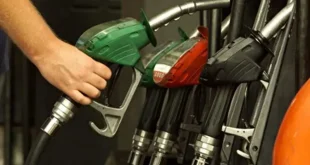
However, the current impasse exposes the inherent vulnerabilities within Public-Private Partnerships (PPPs) in Pakistan, particularly when they operate in a volatile economic environment. PPPs are designed to harness private sector expertise and capital for public good, ideally sharing both risks and rewards. Yet, the efficacy of such arrangements is critically dependent on meticulously drafted contracts that foresee and mitigate future economic shocks. The original contract’s fuel cost calculation formula, which reportedly covered only a fixed portion of expenses, proved insufficient as global and domestic energy prices experienced unprecedented spikes. When the cost of diesel surged from approximately Rs105 per litre, the gap between reimbursed and actual costs widened dramatically, forcing the private operator into a financially unsustainable position.
This situation unfolds against a backdrop of persistent economic challenges in Pakistan, including high inflation, currency depreciation, and a strained national budget. These macroeconomic pressures amplify the operational costs for businesses across sectors, making fixed-price or inadequately indexed contracts for essential services particularly fragile. The crisis underscores the delicate balance governments must strike between ensuring affordable public services for citizens and maintaining the financial viability of the private entities entrusted with their delivery.
Ripple Effects: Broader Implications for Urban Pakistan
The potential cessation of the Lahore Metro Bus service is far more than an localized logistical problem; it carries profound impact for Pakistan‘s urban centers and its approach to critical infrastructure management:
- Mass Commuter Disruption: For hundreds of thousands of daily commuters in Lahore, many of whom rely on the Metro Bus as their primary and most affordable mode of transport, the suspension will be a severe blow. It will lead to increased travel costs, longer commute times, and significant inconvenience, particularly affecting daily wage earners and students.
- Setback for Urban Mobility: A robust mass transit system is integral to sustainable urban development. This disruption undermines efforts to promote public transport over private vehicles, potentially exacerbating traffic congestion, air pollution, and carbon emissions in Lahore.
- Erosion of Business Confidence: The crisis sends a worrying signal to potential domestic and international investors considering PPPs in Pakistan. It highlights the risks associated with inadequate contractual frameworks and bureaucratic inertia, potentially deterring future private investment in crucial infrastructure projects across various sectors.
- Precedent for Future PPPs: If a flagship project like the Lahore Metro Bus can face such an existential threat due to contractual disputes and economic pressures, it raises serious questions about the long-term viability and stability of other public-private ventures throughout the country.
- Government Credibility and Policy Scrutiny: The inability of the provincial government and the PMA to resolve this issue amicably and swiftly reflects poorly on administrative effectiveness. It calls into question the responsiveness of government bodies in managing essential services and resolving disputes that directly affect the populace.
Analysis: Beyond Fuel Costs – A Call for Systemic Reform
While the immediate trigger for this crisis is undeniably the surge in fuel costs, a deeper analysis reveals it as a symptom of multifaceted systemic challenges. At its core, this dispute underscores critical shortcomings in contract design, risk allocation, governmental agility, and dispute resolution mechanisms within Pakistan’s public sector.
The PMA’s accusation of “blackmail” seems to overlook the operational realities faced by the private firm. A company operating an essential service, confronting continuous losses due to external economic shocks and supported by court orders, is likely exercising its legitimate contractual and legal avenues for relief, rather than engaging in coercion. The firm’s declaration of “exhausted financial resources” points towards a genuine struggle for survival, not merely an opportunistic demand for higher profits.
Conversely, the PMA finds itself in a bureaucratic quagmire, caught between court directives, a struggling private partner, and the often-slow machinery of government approval processes. This institutional inertia, where vital decisions affecting urban life are delayed due to a lack of delegated authority or prompt policy action, is a pervasive issue in Pakistan’s governance. It highlights the urgent need for greater operational and financial autonomy for public bodies like the PMA, coupled with transparent, pre-defined frameworks for crisis response.
This crisis serves as a stark reminder that future PPPs for mass transit and other essential services in Pakistan must transcend static contractual frameworks. They must incorporate dynamic mechanisms for price indexation, especially for volatile inputs like fuel, and clearly define risk-sharing protocols to absorb unforeseen economic shocks. Furthermore, robust and time-bound arbitration and renegotiation clauses are indispensable to prevent disputes from escalating into service disruptions that harm the public.
Ultimately, the government’s role extends beyond merely acting as an arbitrator or an approver. It must adopt a proactive and sustainable urban transport policy that acknowledges the strategic importance of mass transit, potentially including targeted subsidies to ensure both affordability for citizens and the financial viability of operators. While immediate measures like interim fuel supply and expedited arbitration are crucial to restore service, the long-term solution lies in a fundamental re-evaluation of the PPP model. This requires creating a resilient, equitable, and adaptive framework capable of navigating economic uncertainties, thereby safeguarding the future of mass transit in Pakistan.
“`