Dost Pakistan Journeys Tours and safaris in the North & South Pakistsn
Related Articles


“`html
Khyber Pakhtunkhwa’s Federal Support Crisis: Governor Kundi’s Call for Action & Development
In a series of recent addresses, Khyber Pakhtunkhwa (KP) Governor Faisal Karim Kundi has issued a stark warning to the federal government, articulating a profound sense of neglect and undersupport for the strategically vital province. His strong remarks underscore a critical juncture for KP, demanding immediate and sustained attention to its multifaceted challenges, from health infrastructure to enduring peace and economic revitalization.
The News: A Provincial Plea for Equity
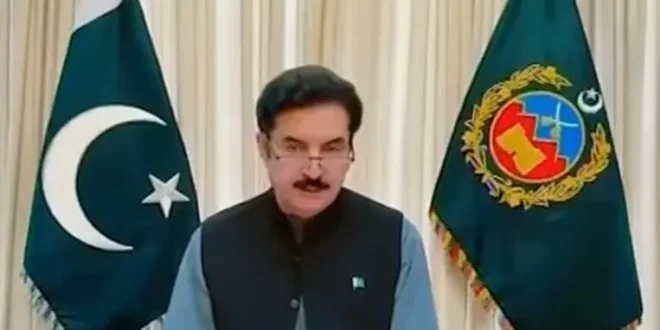
Governor Kundi’s statements, delivered at both the Pakistan Association of Urological Surgeons’ annual conference and Darbar-i-Aalia Murshadabad Sharif, painted a comprehensive picture of KP’s struggles and aspirations. He unequivocally stated that the federal government is “failing to provide Khyber Pakhtunkhwa the support it deserves,” urging an immediate end to the province’s neglect.
Central to his concerns was the dire state of KP’s health sector, which he argued requires practical steps for improvement, mirroring the standards seen in provinces like Punjab and Sindh. He advocated for extending quality, specialized healthcare to remote regions, merged districts, and southern areas, emphasizing universal access to modern treatment facilities. Furthermore, Kundi called for improvements in health infrastructure, advanced medical equipment, enhanced doctors’ training, and a review of the “insufficient” Rs70,000 monthly salary for house officers.
Beyond healthcare, the Governor stressed the indispensable link between lasting peace and provincial progress. He called for collective efforts from all segments of society, particularly religious scholars, to promote unity, discourage extremism, and restore KP’s positive image, which has been tarnished by decades of terrorism. Kundi highlighted the immense sacrifices made by the province and its resilience, affirming its determination to move towards stability and development.
Economically, he pointed to KP’s abundant natural resources – oil, gas, water, and tourism potential, including the Tarbela Dam – as levers for economic transformation, if properly utilized. He also advocated for youth empowerment through opportunities in sports and other fields, recalling the province’s history of producing international sportspersons. Concluding with a powerful declaration, “Safety of our people comes first, followed by the development of the province and the progress of the country,” Governor Kundi articulated a holistic vision for KP’s future.
Background: A Province on the Frontlines
Khyber Pakhtunkhwa occupies a unique and often precarious position within Pakistan. Bordering Afghanistan, it has historically served as a frontline region for numerous geopolitical shifts and conflicts. This geographical reality has profound implications for its socio-economic fabric:
- Decades of Conflict and Instability: KP has borne the brunt of regional conflicts and the War on Terror, enduring prolonged periods of militancy and terrorism. This has led to immense human loss, displacement, widespread destruction of infrastructure, and severe economic disruption. The tragic Army Public School massacre stands as a poignant reminder of these sacrifices, which Governor Kundi rightly acknowledged.
- Merged Districts (FATA Integration): The recent merger of the Federally Administered Tribal Areas (FATA) into KP has significantly expanded the province’s administrative and developmental responsibilities. These historically neglected tribal regions lack basic infrastructure, healthcare, and educational facilities, presenting monumental challenges that require substantial federal investment and support for successful integration and development.
- Economic Potential vs. Reality: Despite being rich in natural resources such as oil, natural gas, hydro-power (e.g., Tarbela Dam), and having vast tourism potential in its scenic northern areas, KP has often struggled to translate this potential into tangible economic prosperity due to instability and insufficient investment. The vision of Peshawar as the “city of flowers” is a wistful reminder of a past prosperity yet to be fully recaptured.
- Federal-Provincial Dynamics in Pakistan: The call for greater federal support is not new in Pakistan’s federal system. Post-18th Amendment, provinces gained more autonomy and a larger share in the National Finance Commission (NFC) Award, but disparities in resource allocation, development projects, and direct financial support from the federal government remain contentious issues. Provinces often lobby for their “due share,” especially those facing exceptional circumstances like KP.
- Healthcare Disparities: Compared to more developed provinces like Punjab and Sindh, KP’s healthcare infrastructure often lags, particularly in rural and newly merged areas. This disparity manifests in fewer specialized facilities, a shortage of trained personnel, and inadequate medical equipment, exacerbating health challenges for its populace.
Impact on Pakistan: A National Imperative
The challenges and demands articulated by Governor Kundi are not merely provincial concerns; they have significant national implications for Pakistan’s stability, economy, and social cohesion:
- National Security and Stability: A stable and prosperous KP is indispensable for Pakistan’s national security, especially given its shared border with Afghanistan. Continued neglect could breed disaffection, potentially creating vulnerabilities that extremist elements could exploit, thus undermining national counter-terrorism efforts and regional peace.
- Economic Growth and Development: Underutilization of KP’s rich natural resources (energy, minerals, tourism) represents a lost opportunity for national economic growth. Investing in KP’s infrastructure and industries could unlock significant revenue streams and create jobs, contributing substantially to Pakistan’s overall GDP.
- Strengthening Federalism: Addressing provincial grievances like those voiced by Governor Kundi is crucial for reinforcing the spirit of federalism enshrined in Pakistan’s constitution. Perceived injustice can strain federal-provincial relations, impacting national unity and political stability.
- Human Development and Equity: Improving healthcare, education, and economic opportunities in KP directly contributes to Pakistan’s overall human development indicators. Ensuring equitable access to basic services across all provinces is fundamental to building a cohesive and just society.
- National Image and Investment: A peaceful, developing KP with a positive image can attract domestic and international investment, and boost tourism, benefiting not just the province but also enhancing Pakistan’s global standing and economic prospects.
Analysis: A Call for Strategic Engagement
Governor Kundi’s outspoken criticism is a significant development, reflecting not just provincial concerns but also the complex political dynamics within Pakistan’s federal structure. As the Governor, he is constitutionally a federal appointee, yet his statements unequivocally champion provincial rights, highlighting the inherent tensions and advocacy role sometimes adopted by governors on behalf of their assigned provinces.
His addresses are more than just a complaint; they represent a strategic plea for a holistic and sustained approach to KP’s development. By citing Punjab and Sindh as models for healthcare improvement, he not only underscores existing disparities but also provides a benchmark for federal action. His focus on specific issues like house officers’ salaries indicates an awareness of ground-level challenges affecting the medical fraternity and overall healthcare delivery.
The emphasis on peace, unity, and the critical role of religious scholars in fostering harmony is particularly salient given KP’s history. It acknowledges the deeply entrenched societal factors and cultural influences required to consolidate peace beyond military operations. This approach recognizes that lasting stability demands not just security measures but also ideological and social consensus against extremism.
Furthermore, Kundi’s articulation of KP’s natural wealth and youth potential is a forward-looking vision. It transforms the narrative from one of mere victimhood or dependency to one of strategic investment and growth opportunity. The province is not just asking for aid; it is highlighting its capacity to contribute significantly to the national economy if its resources are properly harnessed and its youth are empowered.
The Governor’s powerful assertion, “Safety of our people comes first, followed by the development of the province and the progress of the country,” encapsulates the interdependence of provincial well-being and national prosperity. It serves as a potent reminder that neglecting a province as geopolitically sensitive and resource-rich as Khyber Pakhtunkhwa is not merely an act of injustice but a strategic oversight with potentially far-reaching consequences for the entire nation. His call is an urgent invitation for the federal government to move beyond piecemeal interventions and adopt a comprehensive, equitable, and long-term strategy for KP’s upliftment, recognizing that the province’s stability is intrinsically linked to the stability and progress of Pakistan as a whole.
“`