Dost Pakistan Journeys Tours and safaris in the North & South Pakistsn
Related Articles


Govt Restores Original Medical Board for Mir Raza’s Exhumation: A Win for Transparency?
The Tumultuous Path to Exhumation: A Family’s Fight for Justice
In a significant development regarding the tragic death of IBA graduate and businessman Mir Raza Ali, the Sindh government on Friday evening reinstated the original eight-member medical board designated to oversee the exhumation of his body. This decision followed a day of intense drama and uncertainty, during which the planned exhumation on Friday morning was abruptly postponed. The delay stemmed from strong objections raised by Raza’s grieving family concerning the sudden and unexplained reconstitution of the medical board by the Sindh health department.
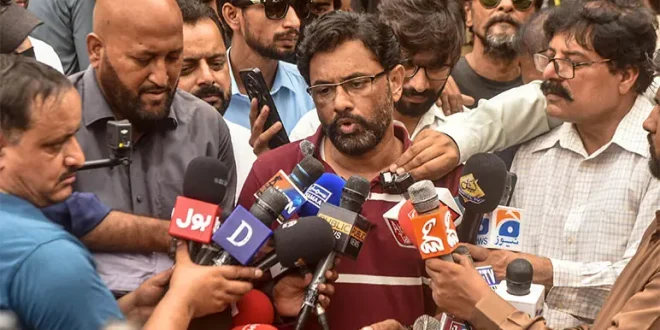
The family, through their counsel Advocate Jibran Nasir, vehemently rejected the newly proposed five-member board, which included professionals from outside the Karachi division. They expressed profound concerns about the qualifications and intentions of the new members, asserting that an exhumation by a board they did not trust would compromise the integrity of the investigation. Their firm stance, coupled with direct appeals to high-ranking provincial leadership, ultimately led to the reversal of the controversial decision, paving the way for the exhumation to proceed on Saturday with the family’s trusted experts.
The Unfolding Saga: Tracing the Origins of a Contentious Investigation
The journey to this crucial exhumation began last month after Mir Raza Ali’s body was discovered in bushes in Gulistan-i-Jauhar, a day after he was reported missing on July 28. His father, Mir Hussain Ali, seeking clarity and justice, subsequently filed an application with a judicial magistrate, requesting a fresh autopsy. The magistrate granted the request, directing the police surgeon and the Sindh health secretary to form a medical board for the exhumation.
An initial eight-member board was constituted, notably including Police Surgeon Dr. Summaiya Syed as convener, along with other eminent medical professionals and a representative from the Citizens Police Liaison Committee (CPLC). This composition suggested a commitment to a thorough and transparent process. However, in the early hours of Friday, the health department unilaterally dissolved this board and replaced it with a new, smaller one, including members from Hyderabad.
This sudden bureaucratic intervention was not isolated. The case had already garnered public attention earlier when Dr. Summaiya Syed herself publicly questioned the initial post-mortem findings, stating that some observations did not align with available photographic evidence. This unprecedented disclosure by a police surgeon sparked a counter-statement from police authorities, who cautioned against observations that could “adversely affect the ongoing investigation.” This preceding tension underscored the family’s deepening mistrust in the official narrative and the urgent need for an impartial, credible re-examination.
Beyond the Grave: The Broader Implications for Governance and Public Trust in Pakistan
The Mir Raza Ali exhumation saga transcends a single criminal investigation; it shines a critical light on several systemic challenges within Pakistan’s governance framework and public institutions:
- Erosion of Public Trust: The abrupt and unexplained reconstitution of a crucial medical board, particularly after a judicial order, severely undermines public confidence in the integrity and independence of government departments, especially the health and police sectors. Such actions foster skepticism about whether justice can be impartially delivered.
- Accountability and Transparency Deficit: The absence of a clear rationale for changing the board, coupled with allegations of a “backdated notification,” highlights a profound lack of transparency and accountability within the bureaucracy. This incident raises questions about who makes such critical decisions and under what authority, especially when they appear to circumvent judicial directives.
- Challenges to the Rule of Law: The family’s need to strongly advocate for the reinstatement of a court-mandated board demonstrates the persistent struggle to uphold the rule of law against arbitrary administrative interference. It underscores the challenges citizens face in ensuring that judicial orders are respected and implemented without obstruction.
- The Power of Citizen Advocacy: Advocate Jibran Nasir’s assertive legal and public advocacy, coupled with the family’s unwavering stand, serves as a powerful example of how persistent citizen engagement can push back against perceived injustice and bureaucratic overreach. It highlights the vital role of civil society and legal professionals in demanding accountability.
- Vulnerability of Forensic Integrity: In sensitive cases, the integrity of forensic evidence is paramount. Any perceived attempt to manipulate or control the composition of a forensic board casts a long shadow over the findings, potentially jeopardizing the entire investigative process and the eventual quest for truth.
- Government Responsiveness: While initially problematic, the Sindh government’s ultimate decision to restore the original board, likely under significant public and legal pressure, also indicates a degree of responsiveness. This highlights the dual nature of governance – potential for missteps but also capacity for correction when sufficiently challenged.
Unpacking the Controversy: A Deep Dive into Trust, Transparency, and Forensic Integrity
At its core, the controversy surrounding Mir Raza Ali’s exhumation is a stark illustration of the perpetual battle for trust and transparency in Pakistan’s justice system. The family’s strong objections were not merely procedural; they reflected a deep-seated suspicion that the sudden change in the medical board aimed to compromise the forensic findings.
The critical question that remains unanswered is: Why was the original board reconstituted in the first place? Was it an administrative oversight, an attempt to expedite a process, or a more sinister effort to influence the outcome of the fresh autopsy? The lack of official explanation from the Director General of the Sindh health department fuels speculation and erodes public confidence. Such arbitrary actions, especially in high-profile cases, create an environment where public trust is perpetually fragile.
The importance of forensic integrity cannot be overstated here. When an initial post-mortem report raises questions, a subsequent exhumation and fresh examination are critical tools for uncovering the truth. The composition and independence of the medical board directly impact the credibility of these findings. Any perception of political or bureaucratic interference threatens to render the entire exercise meaningless, hindering the pursuit of justice for Mir Raza Ali and his family.
Moreover, the incident underscores the growing significance of legal advocacy and citizen empowerment. The family, through Advocate Jibran Nasir, did not passively accept the administrative dictate. Their assertive challenge, appealing directly to higher political authorities and formally documenting their non-consent, showcased effective legal and public pressure. This signals a positive trend where citizens are becoming more vigilant and proactive in demanding accountability from state institutions.
Ultimately, while the restoration of the original board is a welcome step towards ensuring a credible exhumation, the episode serves as a powerful reminder of the imperative for systemic reforms. Clear, codified protocols for forming independent medical boards in sensitive cases, coupled with rigorous accountability mechanisms for arbitrary administrative decisions, are essential. Only then can Pakistan build a justice system that is truly trusted by its citizens, ensuring that the truth, even from beneath the soil, can finally emerge.