Dost Pakistan Journeys Tours and safaris in the North & South Pakistsn
Related Articles



“`html
Pakistan’s Airport Overhaul: Smart Scanners for Smarter Travel and Revenue
A multi-pronged approach to modernize customs, enhance traveler experience, and bolster national finances.
The News: A Mandate for Modernization
In a decisive move aimed at streamlining travel and bolstering national revenue, Prime Minister Shehbaz Sharif recently issued directives for the immediate installation of “smart scanners” at all international airports across Pakistan. This initiative marks a significant departure from outdated, manual baggage screening procedures, promising enhanced efficiency and a harassment-free experience for passengers.
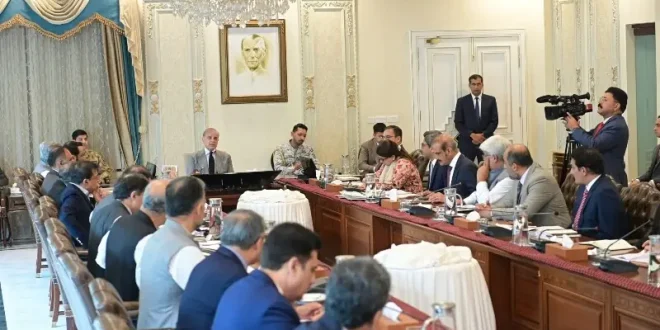
During a high-level meeting focused on customs enforcement, the Prime Minister emphasized the paramount importance of passenger convenience and dignity. He explicitly ordered customs officials to abandon unnecessary questioning and ensure that all airport staff are trained to international standards, prioritizing courtesy and respect in service delivery. Beyond traveler facilitation, PM Sharif lauded the Federal Board of Revenue’s (FBR) ongoing reforms in customs enforcement, stressing a zero-tolerance policy against tax evasion and smuggling to prevent critical revenue leakage. The meeting also highlighted successes in establishing digital enforcement stations and significant seizures made by new customs collectorates, underscoring a broader, consolidated effort to combat illicit trade nationwide.
Background: Addressing Persistent Challenges at Pakistan’s Borders
The Prime Minister’s latest directives come against a backdrop of long-standing challenges plaguing Pakistan’s travel sector and national economy. For years, travelers, particularly the vast Pakistani diaspora and international visitors, have frequently voiced complaints about cumbersome, often intrusive, manual baggage searches at airports. Such procedures not only create an unwelcoming environment but are also susceptible to inefficiencies and, in some cases, allegations of petty corruption, tarnishing Pakistan’s image on the global stage.
Simultaneously, Pakistan grapples with significant issues of smuggling and tax evasion, which severely impact its already strained fiscal health. Illicit trade in goods like textiles, vehicles, and petroleum products deprives the national exchequer of legitimate tax revenue, exacerbating budget deficits and hindering economic development. The traditional customs enforcement mechanisms, often fragmented and lacking modern technological support, have struggled to adequately curb these activities. Thus, the twin objectives of passenger facilitation and robust revenue protection are not merely operational adjustments but critical reforms necessary for improving governance, boosting public trust, and stabilizing the nation’s economy.
Impact on Pakistan: A Path Towards Efficiency and Prosperity
The swift implementation of smart scanners and associated reforms holds the potential for multifaceted positive impacts across Pakistan. Primarily, travelers can anticipate a dramatically improved airport experience. The shift from manual inspections to automated scanning promises quicker processing times, reduced queues, and, crucially, an end to unnecessary questioning and perceived harassment. This will undoubtedly enhance Pakistan’s appeal as a travel destination for tourists and expatriates alike, potentially boosting the tourism sector and foreign exchange remittances.
Economically, the directives are poised to make a substantial difference. Smart scanners, coupled with strengthened digital enforcement stations and a consolidated customs force, will significantly improve the detection and prevention of smuggled goods. This enhanced capability directly translates into increased legitimate trade, greater tax compliance, and a reduction in revenue leakage—a vital step for a nation consistently seeking to broaden its tax base and improve its financial standing. Furthermore, a more efficient and transparent customs system can instill greater confidence among international investors and trading partners, signaling Pakistan’s commitment to modern governance and fair trade practices. The emphasis on international training standards for airport staff also promises a ripple effect, elevating service quality across the board and promoting a culture of professionalism and respect for human dignity.
Analysis: Beyond Scanners – A Holistic Reform Agenda
Prime Minister Shehbaz Sharif’s initiative is more than just an order to import new technology; it represents a holistic and strategic approach to address fundamental challenges within Pakistan’s governance and economic frameworks. The simultaneous focus on passenger comfort, anti-smuggling efforts, and combating tax evasion reveals a sophisticated understanding that these issues are interconnected and require a coordinated response. The move towards smart scanners is a tangible symbol of modernization, but the real strength of this reform lies in its broader components: the re-training of staff, the consolidation of enforcement agencies, and the explicit “zero tolerance” policy for corruption and tax evasion.
This commitment signals a top-down push for efficiency and accountability, vital for a country striving for economic stability and an improved global image. By prioritizing a seamless and dignified travel experience, Pakistan aims to shed its old perceptions and embrace global best practices. However, the success of this ambitious agenda will hinge on several critical factors: the speed and quality of scanner procurement and installation, the effectiveness and consistency of staff training, and perhaps most importantly, sustained political will to overcome potential bureaucratic resistance and ensure strict oversight. While the initial successes of digital enforcement stations are encouraging, maintaining momentum and ensuring these reforms are deeply embedded within the institutional culture will be the ultimate test. If executed effectively, these measures could serve as a blueprint for broader institutional reforms, setting Pakistan on a clearer path towards enhanced economic prosperity and a more welcoming presence on the international stage.
“`