Dost Pakistan Journeys Tours and safaris in the North & South Pakistsn
Related Articles

“`html
Pakistan’s Economic Odyssey: Finance Minister Aurangzeb’s Crucial Engagements at IMF-World Bank Meetings
The Diplomatic Economic Mission
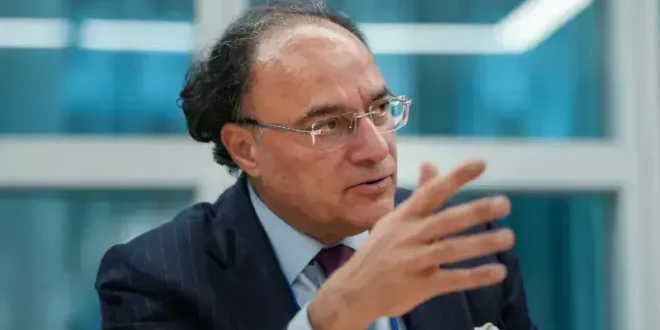
Pakistan’s Finance Minister, Muhammad Aurangzeb, recently spearheaded a high-stakes delegation to the annual International Monetary Fund (IMF) and World Bank Group meetings in Bangkok, Thailand. These prestigious gatherings, drawing over 15,000 participants from 191 nations, serve as a pivotal platform for global economic discourse. For Pakistan, Minister Aurangzeb’s extensive agenda, encompassing more than 60 high-level engagements, represented a critical effort to solidify macroeconomic stability, foster growth, and recalibrate its standing within the international financial community.
The annual IMF and World Bank meetings are not merely ceremonial; they are crucial forums where central bank governors, finance ministers, policymakers, and business leaders converge to discuss pressing global economic issues, coordinate policy responses, and facilitate financial cooperation. For a country like Pakistan, navigating persistent economic challenges, these meetings offer an unparalleled opportunity for high-level economic diplomacy.
A Nation at an Economic Crossroads: The Backdrop to Bangkok
Pakistan’s economy has historically grappled with persistent challenges, including chronic current account deficits, spiraling public debt, high inflation, and a narrow tax base. The country has frequently turned to the IMF for crucial bailout packages, most recently a Stand-By Arrangement (SBA) designed to avert default and stabilize its finances. While these programs provide essential breathing room, they often come with stringent conditionalities aimed at structural reforms such as privatization of state-owned enterprises, broadening the tax net, and energy sector reforms.
Against this backdrop, the government’s stated objective is to transition beyond mere macroeconomic stabilization towards a path of “sustainable, investment and export-led growth.” This shift signifies an ambition to move from a reactive crisis management approach to proactive long-term development. The Bangkok meetings, therefore, provided a timely and indispensable opportunity for Pakistan to articulate this vision, seek renewed support from its development partners, and engage with global investors.
Strategic Engagements for Pakistan’s Future
Minister Aurangzeb’s packed schedule was meticulously designed to address Pakistan’s multifaceted economic priorities. Key areas of focus included:
- Reinforcing IMF & World Bank Ties: Direct discussions with the leadership of the IMF and World Bank Group, including the International Finance Corporation (IFC) and Multilateral Investment Guarantee Agency (MIGA), were crucial. These engagements aimed to review Pakistan’s macroeconomic outlook, assess progress on structural reforms, discuss private sector development, and explore avenues for future cooperation and potential new financing facilities. Such dialogues are vital for maintaining the flow of crucial development funds and technical assistance.
- Cultivating Multilateral & Bilateral Partnerships: Meetings with institutions like the Asian Infrastructure Investment Bank (AIIB), OPEC Fund for International Development, Saudi Fund for Development, International Islamic Trade Finance Corporation (ITFC), and Japan International Cooperation Agency (JICA) were vital for securing development financing for critical infrastructure projects and trade support. On the bilateral front, engagements with counterparts from Saudi Arabia, China, Turkiye, UK, Iran, and the US Department of the Treasury sought to deepen economic, trade, and investment cooperation, potentially unlocking new markets and foreign direct investment (FDI).
- Wooing Global Investors & Credit Rating Agencies: A significant thrust of the visit involved direct outreach to international financial institutions, sovereign investor forums, and, critically, all three major global credit rating agencies: Fitch Ratings, Moody’s, and S&P Global. The objective was to present Pakistan’s improving macroeconomic fundamentals and reform trajectory, with the hope of improving its sovereign credit outlook and enticing international investors back into its capital markets. A better credit rating directly impacts borrowing costs and investor confidence.
- Exploring Digital Economy Frontiers: A forward-looking engagement with Alibaba International Digital Commerce highlighted Pakistan’s interest in leveraging e-commerce and digital transformation for economic growth. This demonstrates an understanding of modern economic drivers and a desire to tap into the vast potential of its young, digitally-savvy population.
- Media Outreach: Engaging with leading international media organisations allowed the minister to proactively shape Pakistan’s economic narrative, addressing global perceptions and attracting wider interest in the country’s reform efforts and investment potential.
Beyond the Headlines: An Analysis of Pakistan’s Economic Diplomacy
Minister Aurangzeb’s Bangkok mission underscores a strategic pivot in Pakistan’s economic diplomacy. The sheer volume and diversity of engagements reflect an urgent need to:
1. Rebuild Confidence and Narrative
For years, Pakistan’s economic narrative has often been dominated by crisis and bailout talks. The Bangkok engagements provided a critical platform to project a more proactive, reform-oriented image. By directly addressing global financial institutions, investors, and credit rating agencies, the minister aimed to restore confidence in Pakistan’s commitment to fiscal discipline, structural reforms, and private sector-led growth. This narrative shift is crucial for attracting long-term, sustainable capital rather than just emergency financing.
2. Diversify Funding and Investment Streams
While the IMF remains a crucial partner, Pakistan is actively seeking to diversify its funding sources. Engagements with various multilateral development banks and bilateral partners signal an effort to secure project financing, trade credits, and foreign direct investment (FDI) that can fuel long-term growth and reduce reliance on short-term external borrowing. The focus on “export-led growth” is particularly significant, as increasing exports is fundamental to resolving Pakistan’s chronic balance of payments issues and building resilient foreign exchange reserves.
3. The Imperative of Structural Reforms
The minister’s pledge to advance structural reforms is the bedrock upon which any sustained economic recovery will be built. These reforms, often challenging politically, include privatization of loss-making state-owned enterprises, broadening the tax base, rationalizing the energy sector’s circular debt, and improving the overall ease of doing business. The success of these meetings, particularly in influencing credit ratings and attracting investment, hinges entirely on the demonstrable and consistent implementation of these reforms post-Bangkok. Global investors and institutions will be keenly watching for concrete actions, not just assurances.
4. Tapping into Future Growth Drivers
The engagement with Alibaba International Digital Commerce is a strategic nod to the burgeoning digital economy. For a country with a large youth population, fostering e-commerce and digital services can create jobs, empower small and medium enterprises (SMEs), and contribute significantly to GDP. This forward-looking approach positions Pakistan to tap into new avenues of growth beyond traditional sectors and aligns with global economic trends.
5. Geopolitical Economy in Play
The bilateral meetings with key partners like the US Treasury, China, Saudi Arabia, and the UK highlight the intricate geopolitical dimension of Pakistan’s economic strategy. These relationships are vital not only for direct financial assistance and investment but also for broader diplomatic support, market access, and leveraging strategic partnerships to achieve economic objectives.
In conclusion, Finance Minister Aurangzeb’s participation in the IMF-World Bank meetings in Bangkok was far more than a routine diplomatic exercise. It was a concentrated effort to reintroduce Pakistan as a serious economic player, committed to reforms and open for business. While the immediate outcomes might not be dramatic, the foundation laid through these extensive engagements is critical. The real test, however, will lie in the government’s ability to translate the commitments and opportunities discussed in Bangkok into tangible, sustained economic progress on the ground, ultimately paving the way for greater financial inclusion and a more prosperous Pakistan.
“`