Dost Pakistan Journeys Tours and safaris in the North & South Pakistsn
Related Articles


“`html
Poverty’s Long Shadow: Unpacking Pakistan’s Deepening Economic Crisis
Pakistan finds itself at a critical juncture, facing an escalating extreme poverty crisis that disproportionately impacts its population and the wider Middle East, North Africa, and Afghanistan-Pakistan (MENAP) region. Recent warnings from the World Bank underscore not only the severity of the current situation but also the looming threats that could further exacerbate the hardship of millions.
The News: A Troubling Reality
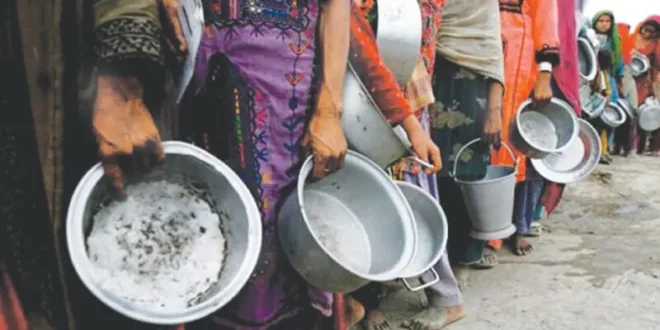
A recent World Bank assessment paints a stark picture: Pakistan is now responsible for nearly half of the individuals living in extreme poverty across the entire MENAP region. This alarming statistic highlights a nation caught in a relentless cycle of adversity, where successive crises have chipped away at the resilience of its most vulnerable citizens. From the global ravages of the COVID-19 pandemic to devastating floods, runaway inflation, and persistent economic uncertainty, Pakistani households have been buffeted by one shock after another, often with insufficient time or resources to recover.
For impoverished families, each setback carries long-lasting consequences. Savings are depleted, essential assets like livestock are sold, and a desperate need for food often leads to borrowing, pushing households deeper into debt. Perhaps most tragically, children are frequently withdrawn from school, sacrificing future prospects for immediate survival. What makes this situation particularly insidious is that poverty continues to climb even when broader economic indicators suggest a recovery. The accumulated damage, the inability to easily reverse losses—such as a farmer rebuilding a lost herd or a small business restarting from scratch—means that fragile gains are quickly eroded, making true recovery an elusive dream.
The horizon, unfortunately, promises more challenges. The World Bank has cautioned about the potential for regional conflict, specifically involving Iran, to trigger spikes in fuel and commodity prices, reduce vital remittances from overseas workers, and inflate borrowing costs. Furthermore, adverse weather patterns, increasingly a hallmark of climate change, threaten to drive up food prices and devastate agricultural livelihoods. For families already teetering on the brink, another wave of inflation could be catastrophic. This necessitates a fundamental shift in governmental strategy: moving beyond post-disaster relief to proactive, preventative measures. Identifying at-risk households, fortifying early-warning and disaster-response systems, protecting crucial farming incomes, and ensuring timely financial assistance are paramount. Crucially, preventing children from dropping out of school and safeguarding families’ means of earning a living must be central to any sustainable poverty reduction strategy.
Background: A Confluence of Vulnerabilities
To understand Pakistan’s predicament, it’s essential to contextualize extreme poverty within the MENAP region and its unique vulnerabilities. The World Bank defines extreme poverty as living on less than $2.15 per day (in 2017 Purchasing Power Parity). For a country like Pakistan, with a large population and a significant rural base, this threshold is easily crossed when economic shocks hit.
Pakistan’s economic landscape has historically been characterized by structural weaknesses. A heavy reliance on agriculture, which is highly susceptible to climate variability, coupled with an undiversified export base, makes the economy vulnerable to external shocks. Furthermore, chronic issues such as low tax-to-GDP ratio, burgeoning public debt, and political instability have hindered consistent economic growth and equitable development. The country also sits in a geopolitically sensitive region, making it susceptible to the economic repercussions of conflicts and global market fluctuations. Climate change acts as a supercharger for these existing vulnerabilities, manifesting in increasingly frequent and intense natural disasters like the 2022 floods, which submerged a third of the country and displaced millions, destroying crops, homes, and infrastructure on an unprecedented scale.
Impact on Pakistan: A Cascade of Crises
Pakistan’s story of “repeated hardship” is not merely a narrative but a lived reality for its citizens. The past few years have seen a relentless barrage of calamities:
- COVID-19 Pandemic (2020-2022): While a global crisis, its impact on Pakistan was particularly severe due to a large informal sector, limited healthcare infrastructure, and initial disruptions to remittances, a critical source of foreign exchange and household income. Many small businesses collapsed, and daily wage earners lost their livelihoods.
- Devastating Floods (2022): The unprecedented monsoon floods caused an estimated $30 billion in damages and economic losses. Millions were displaced, agricultural land was destroyed, and critical infrastructure like roads and bridges were washed away, severing supply chains and increasing food insecurity.
- Soaring Inflation: Fuelled by global commodity price hikes, currency depreciation, and government fiscal adjustments, inflation has reached historic highs. This has dramatically eroded purchasing power, making basic necessities like food, fuel, and medicine unaffordable for a large segment of the population, pushing many middle-income families into poverty.
- Economic Uncertainty & Debt Crisis: Pakistan has been in and out of IMF programs for decades, reflecting persistent balance-of-payments issues and a heavy debt burden. Currency devaluation, high interest rates, and challenges in attracting foreign direct investment have created an unstable economic environment, making long-term planning difficult for businesses and individuals alike.
The cumulative effect of these crises is the deepening of intergenerational poverty. Children pulled from school are less likely to secure stable, higher-paying jobs in the future, perpetuating the cycle. Malnutrition rates soar, impacting cognitive development and long-term health. The social fabric itself begins to fray, with increased migration (both internal and external) and a growing sense of hopelessness among the populace. These tangible impacts underscore why Pakistan disproportionately contributes to regional poverty statistics – it’s a direct result of its unique exposure and limited resilience to a perfect storm of environmental and economic shocks.
Analysis: Breaking the Cycle of Vulnerability
Pakistan’s current situation is a stark reminder that poverty reduction cannot be a reactive process. The World Bank’s call for proactive measures highlights the critical shortcomings in current approaches. Several factors contribute to Pakistan’s exacerbated vulnerability:
- Structural Economic Flaws: Decades of underinvestment in human capital, a narrow and often untaxed economic base, and a disproportionate share of national resources allocated to debt servicing and non-development expenditure have created an economy ill-equipped to absorb shocks.
- Governance Deficiencies: Weak institutions, political instability, and inconsistent policy implementation hinder effective long-term planning and resource allocation for poverty alleviation and disaster preparedness.
- Climate Inaction: Despite being one of the most climate-vulnerable nations, investments in climate-resilient infrastructure, sustainable agriculture, and early warning systems have been insufficient, leaving communities exposed.
- Inadequate Social Protection: While programs like the Benazir Income Support Program (BISP) offer vital relief, their coverage and adequacy may not always match the scale of the crises, and they often lack proactive linkages to resilience-building.
The warning about emerging dangers—regional conflict impacting commodity prices and remittances, and adverse weather—is not merely hypothetical. These are tangible, immediate threats that demand a robust, multi-faceted response. The “losses are not easily reversed” principle is key; it means traditional economic recovery models often fail to account for the erosion of household assets, human capital, and social networks that deep poverty entails.
To truly protect its poorest citizens and foster sustainable development, Pakistan must embrace a paradigm shift, moving from a crisis-response model to a resilience-building framework. This involves:
- Data-Driven Vulnerability Mapping: Implementing sophisticated systems to identify the most at-risk families and communities before a crisis strikes, allowing for targeted, preventative interventions.
- Strengthening Early Warning and Response: Investing heavily in meteorological infrastructure, flood management systems, and public awareness campaigns to ensure communities are prepared for climate-induced disasters and economic shocks.
- Climate-Resilient Livelihoods: Supporting farmers with climate-smart agricultural practices, drought-resistant crops, improved irrigation, and diversified income streams to safeguard their primary means of living.
- Robust Social Safety Nets: Expanding the reach and scope of programs like BISP, potentially linking cash transfers to conditionalities that promote education retention and health, and ensuring swift, transparent disbursement during emergencies.
- Human Capital Investment: Prioritizing sustained investment in quality education and healthcare, especially for children in vulnerable areas, to break the intergenerational cycle of poverty.
- Economic Diversification and Fiscal Reform: Broadening the tax base, improving revenue collection, and directing resources towards productive sectors and social development, rather than consumption or debt servicing. Encouraging exports beyond traditional textiles.
- Regional Cooperation: Engaging with regional partners to mitigate the economic spillover effects of conflicts and collaborate on climate action and trade.
- Good Governance and Political Stability: Creating an environment where long-term policies can be implemented consistently, fostering investor confidence and ensuring accountability in public spending.
Pakistan stands at a crossroads. Without a comprehensive and proactive strategy, the shadow of poverty will only lengthen, threatening not just individual livelihoods but the nation’s broader socio-economic stability and development trajectory. Protecting the fragile gains of its poorest citizens is not merely a moral imperative but an economic necessity for a resilient future.
Published in Dawn, October 11th, 2026
“`