Dost Pakistan Journeys Tours and safaris in the North & South Pakistsn
Related Articles



Alberta’s Separation Referendum: A Deep Dive into Canada’s Federal Tensions
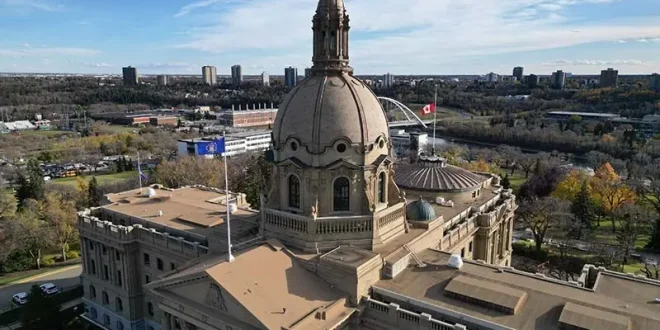
The vast, resource-rich Canadian province of Alberta is once again at the heart of a national conversation, having recently held a non-binding referendum on its future within the Canadian confederation. This marks an unprecedented moment for the oil-dominant province, as it’s the first time Albertans have been directly asked about initiating the legal process towards separation.
While preliminary polls consistently indicated a strong majority—around 70 percent—favored remaining part of Canada, with only a quarter supporting an independent Alberta, the very act of holding such a vote signals deep-seated discontent within the province. The referendum presented voters with ten questions, culminating in a critical query on whether Alberta should stay within Canada or begin the legal procedures for a binding separation vote.
Understanding the Roots of Alberta’s Discontent
Premier Danielle Smith’s government initiated this referendum, fulfilling a campaign promise amidst calls from a fervent, albeit minority, separatist movement. The genesis of Alberta’s separatist sentiment, often termed “Western Alienation,” is multifaceted and deeply intertwined with the province’s economic identity and political outlook. Primarily, it stems from a perception that Alberta, as Canada’s leading energy producer, disproportionately contributes to federal revenues without receiving adequate recognition or reciprocal benefits. Critics argue that federal policies, particularly those related to environmental regulations and pipeline approvals, have stifled Alberta’s vital oil and gas sector, leading to economic hardship and a feeling of being unfairly targeted by Ottawa.
The province’s immense energy wealth has historically fueled Canada’s national economy, but volatile global oil prices coupled with perceived federal overreach have exacerbated a sense of frustration. Albertans often feel their conservative political values and economic priorities are marginalized by a federal government based in Eastern Canada, leading to calls for greater provincial autonomy, or in some cases, outright independence.
Historical Context: Echoes of Quebec
While unprecedented for Alberta, the concept of a province exploring separation is not new to Canada. The predominantly French-speaking province of Quebec has twice held referendums on secession, in 1980 and 1995. Both times, Quebecers ultimately voted to remain in Canada, though the 1995 vote was decided by the narrowest of margins, underscoring the enduring fragility of national unity in the face of strong regional identities. Recent provincial elections in Quebec even saw the separatist Parti Québécois pledge to hold a third referendum under specific conditions, highlighting the ongoing nature of these debates within the Canadian federation.
These historical precedents provide a crucial backdrop for Alberta’s current deliberations. However, Alberta’s motivations differ significantly from Quebec’s. While Quebec’s drive for independence is rooted in linguistic, cultural, and historical distinctiveness, Alberta’s grievances are primarily economic and political, revolving around fiscal federalism, resource control, and a sense of political marginalization.
What Happens Next? The Clarity Act and Indigenous Rights
Despite the high emotions surrounding the referendum, a “yes” vote to initiate the separation process would not lead to immediate independence. Canada has robust legal safeguards against unilateral secession, most notably the Clarity Act of 2000. Enacted after the nail-biting 1995 Quebec referendum, this federal legislation dictates that any negotiations for secession can only be triggered by a “clear majority” from the public on a “clear question,” without specifying a numerical threshold. Crucially, the Act affirms that provinces have no unilateral right to leave Canada and that a constitutional amendment, requiring negotiation and agreement from federal, provincial, and territorial governments, would be necessary.
Furthermore, any move towards separation faces significant hurdles concerning Indigenous rights. First Nations in Alberta hold treaties with the Crown of Canada that predate Alberta’s entry into Confederation. Many Indigenous groups have voiced strong objections to the idea of an independent Alberta, arguing that their treaty rights would be violated. A recent court ruling even highlighted the need for Indigenous consultation in any process related to separation, a decision Alberta has appealed, underscoring the complex legal and ethical dimensions involved.
Prime Minister Carney (as mentioned in the source, likely referring to a prominent federal figure or a future PM given the context year) has consistently championed national unity, emphasizing that a divided Canada cannot effectively address global challenges. His public stance reflects the federal government’s unwavering commitment to maintaining the integrity of the Canadian federation.
Potential Observational Impacts for Pakistan
While Alberta’s internal political dynamics might seem geographically distant, the unfolding events offer several points of observation for a country like Pakistan:
- Federalism in Practice: Pakistan, a diverse nation with its own history of regional aspirations and federal-provincial tensions, can observe how a mature democracy like Canada navigates challenges to its federal structure. The balance of power between central and provincial governments, and mechanisms for addressing regional grievances, provide valuable insights.
- Resource Distribution and Fiscal Equity: The debate over Alberta’s energy wealth and equalization payments mirrors, in some ways, discussions in Pakistan regarding the equitable distribution of resources among its provinces and the perceived fairness of financial allocations.
- Rule of Law and Constitutional Framework: The reliance on the Clarity Act and the emphasis on constitutional processes, even in the face of strong political will, highlights the importance of established legal frameworks in managing separatist sentiments. This reinforces the principle that national integrity is safeguarded by legal and constitutional means.
- Global Energy Market Stability: Although unlikely to be impacted directly by a non-binding referendum, the stability of a major oil-producing region like Alberta is of indirect interest to energy-importing nations like Pakistan. Prolonged political instability in any significant producer could, theoretically, contribute to global market uncertainty, affecting energy prices.
- Diaspora Concerns: The significant Pakistani diaspora in Canada, including in Alberta, watches these developments closely. Their economic stability and sense of belonging are tied to the overall political and economic health of their adopted home.
Analysis: A Political Statement, Not an Immediate Path
Alberta’s referendum on separation is best understood as a powerful political statement rather than an immediate precursor to independence. For Premier Smith’s government, it serves as a crucial tool to gauge the depth of Albertans’ discontent and to assert leverage in future negotiations with the federal government. Even with a “yes” vote to start the process, the path to actual separation is fraught with immense legal, economic, and social complexities. An independent Alberta would face formidable challenges in establishing a new currency, securing trade agreements, managing national debt, and delineating borders, let alone the profound implications for its Indigenous populations.
Ultimately, this referendum underscores the ongoing tension points within Canadian federalism, particularly the struggle between national unity and provincial autonomy, and the economic grievances of resource-rich regions. Regardless of the official outcome, the conversation about Alberta’s place in Confederation and its relationship with Ottawa will continue, pushing both federal and provincial leaders to address the underlying causes of Western alienation and work towards a more harmonious and equitable future for all Canadians.