Dost Pakistan Journeys Tours and safaris in the North & South Pakistsn
Related Articles


“`html
India-Bangladesh Border Pact: A Fragile Step Towards De-escalation Amid Migrant Crisis
NEW DELHI/DHAKA – In a significant development aimed at cooling simmering cross-border tensions, India and Bangladesh have agreed to enhance collaboration along their extensive shared frontier. A recent joint statement confirmed a commitment to improved intelligence sharing and coordinated patrols, following high-level discussions between border officials in New Delhi. This diplomatic breakthrough arrives amidst heightened strains over alleged undocumented migration, a contentious issue threatening to derail bilateral relations.
What Happened: A Pledge for Greater Border Synergy
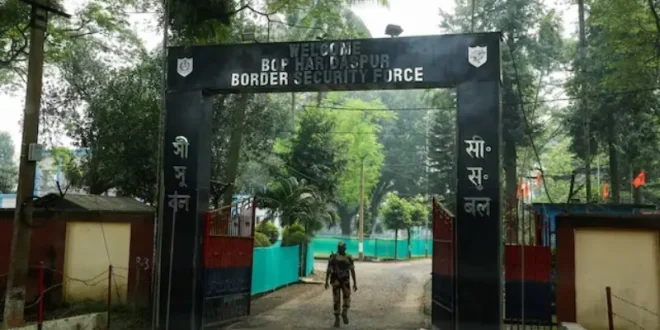
Officials from Bangladesh’s Border Guard Bangladesh (BGB) and India’s Border Security Force (BSF) concluded a four-day meeting in New Delhi, culminating in a joint statement outlining enhanced cooperation. The core agreement focuses on strengthening coordinated patrols, improving real-time information sharing, and stepping up joint actions against trans-border criminal networks. While the discussions were described as “cordial, positive and forward-looking,” the underlying agenda was heavily influenced by the escalating issue of “illegal, inadvertent and forcible crossing at border areas.” This move signifies a mutual recognition of the urgent need to manage one of the world’s longest and most porous international land borders, spanning over 4,000 kilometers.
Background: A Complex Web of Migration, Politics, and Distrust
The recent agreement emerges from a period of increasing friction between the two South Asian neighbors. At the heart of the dispute is India’s intensified effort to identify and deport what its ruling Bharatiya Janata Party (BJP) considers “illegal infiltrators”—primarily Bengali-speaking Muslims—into Bangladesh. This policy, a key priority for the BJP in border states like West Bengal, Tripura, and Assam, has led to accusations from Dhaka that Indian authorities are attempting to force migrants across the border without due process.
Bangladesh, for its part, has vehemently opposed these alleged “push-ins,” with its State Minister for Foreign Affairs Shama Obaed Islam recently calling them “absolutely unacceptable” and a threat to improving bilateral ties. Dhaka has reportedly sent numerous letters to New Delhi seeking an end to the practice, while simultaneously stepping up its own border deployments, intelligence operations, and drone surveillance to prevent such crossings. India, in return, has sought verification of nationality for nearly 3,000 suspected Bangladeshi nationals residing in India without documentation.
Compounding these tensions is the recent political shift in Bangladesh, following the ousting of Sheikh Hasina in 2024. A new government might feel increased domestic pressure to assert national sovereignty and protect its citizens’ interests more robustly, potentially leading to a less accommodating stance towards India’s demands compared to previous administrations. Beyond migration, the two nations also grapple with chronic issues such as human trafficking, drug smuggling, border deaths, and infrastructure development along the frontier, all of which fall under the ambit of their long-standing Coordinated Border Management Plan.
Why It Matters: De-escalation or Temporary Truce?
This border cooperation agreement carries significant weight for several reasons:
- Bilateral Relations: It represents a critical, albeit potentially fragile, step towards de-escalating tensions. The success of this operational cooperation will be a key indicator of whether India and Bangladesh can move past their current disagreements and stabilize their broader strategic partnership.
- Regional Stability: An unstable India-Bangladesh border can have ripple effects across South Asia, potentially exacerbating humanitarian crises and fueling cross-border criminal networks. Effective management can contribute to overall regional security and prevent a sensitive issue from spiraling out of control.
- Human Rights: The contentious issue of “push-ins” raises serious human rights concerns. A commitment to coordinated patrols and intelligence sharing, if executed with due diligence, could ensure that individuals caught in the crossfire are treated humanely and according to international legal norms, preventing arbitrary displacement.
- Economic Impact: Stable and well-managed borders are crucial for trade and economic development. Sustained border friction can deter investment and disrupt legitimate cross-border commerce, impacting livelihoods in both nations.
- Trust Building: Even if the fundamental policy differences on migration remain, the agreement fosters an environment for operational trust-building between border forces, which is essential for tackling shared threats like terrorism and organized crime.
Impact on Pakistan: Observing the Eastern Front
While Pakistan is not directly involved in these discussions, developments on India’s eastern flank are invariably watched with keen interest in Islamabad. Pakistan’s strategic calculations in South Asia are heavily influenced by the dynamics between its regional neighbors. Key observations from Pakistan’s perspective would include:
- Regional Power Balance: A stable and cooperative relationship between India and Bangladesh could allow India to project greater influence in the region, potentially impacting Pakistan’s diplomatic maneuvering within South Asian forums. Conversely, continued friction could present opportunities for Pakistan to highlight perceived Indian regional overreach.
- Security Implications: Pakistan, which shares its own tense border with India, observes how its eastern neighbor manages complex security challenges. Lessons learned from India’s approach to cross-border crime, intelligence sharing mechanisms, and migrant issues with Bangladesh could inform Pakistan’s own border management strategies, especially concerning its western frontiers.
- Diplomatic Narratives: Pakistan frequently critiques India’s policies, particularly those affecting minority populations. The handling of Bengali-speaking Muslims along the India-Bangladesh border provides Pakistan with a narrative framework to comment on India’s internal affairs and regional conduct on human rights and minority issues.
- SAARC Dynamics: The effectiveness of bilateral agreements like this can set precedents for regional cooperation or highlight the limitations of multilateral bodies like SAARC, which Pakistan is a part of.
Analysis: A Test of Resolve and Pragmatism
The joint statement’s “cordial” tone belies the profound complexities underpinning the India-Bangladesh border relationship. While the agreement to boost intelligence sharing and coordinated patrols is a pragmatic and necessary step for managing shared security threats like smuggling and human trafficking, its success in addressing the core migrant issue remains uncertain.
The fundamental divergence in how both nations perceive and handle undocumented migrants—India’s focus on “infiltrators” versus Bangladesh’s emphasis on “due process”—is a chasm not easily bridged by operational agreements alone. For the pact to be truly effective, it must translate into concrete actions on the ground that respect international norms and human rights. This means ensuring transparency in any nationality verification processes and strictly avoiding forcible push-backs without proper legal proceedings.
The role of the new Bangladeshi government post-Hasina will be crucial. Its ability to balance domestic political pressures with the imperative of maintaining stable relations with India will dictate the sincerity and sustainability of this cooperation. While the agreement offers a pathway to de-escalation, it is ultimately a test of whether political will and mutual respect can prevail over deeply entrenched nationalistic narratives and border anxieties. The regular meetings, with the next scheduled for Dhaka in November, provide a consistent forum, but sustained higher-level diplomatic engagement will be essential to transform this operational agreement into a lasting solution for a contentious and vital frontier.
“`