 Dost Pakistan Journeys Tours and safaris in the North & South Pakistsn
Eidul Azha: Navigating Meat Consumption for a Healthy Celebration
What Happened
As Eidul Azha approaches, the Pakistan Medical Association (PMA) has issued a timely and critical health advisory, urging the public to exercise caution regarding dietary habits and meat consumption. The central message is a warning against the sudden shift to heavy, meat-dominated meals, which health experts, including PMA Secretary General Dr. Abdul Ghafoor Shoro, highlight as a significant strain on the digestive system. Historically, this period sees a sharp increase in emergency room visits for acute gastrointestinal issues such as severe diarrhea, gastroenteritis, vomiting, nausea, and indigestion.
Beyond immediate digestive distress, the PMA also cautioned that overindulgence in rich, fried, and heavily spiced meat dishes could aggravate pre-existing conditions like hypertension, diabetes, high uric acid, and heart diseases. Key recommendations from Dr. Shoro included avoiding immediate consumption of freshly slaughtered meat due to ‘rigor mortis’ (muscle stiffening), allowing it to rest for better digestion, limiting overall meat intake, preparing dishes with minimal oil and spices, balancing meals with salads and vegetables, ensuring adequate water intake, and proper meat storage. Additionally, Dr. Qaisar Sajjad emphasized slow and thorough chewing to prevent choking hazards and oesophageal impaction, a common issue during Eid.
Background: The Spirit of Sacrifice and Sustenance
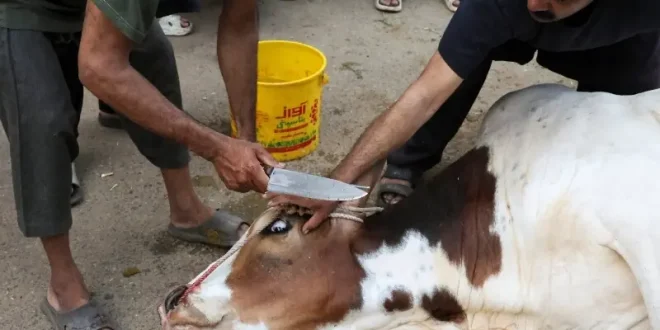
Eidul Azha, or the “Festival of Sacrifice,” is one of the most significant Islamic holidays observed globally, deeply rooted in religious tradition and cultural practice in Pakistan. It commemorates Prophet Ibrahim’s profound act of devotion. Central to the celebration is the ritual sacrifice of livestock—typically cows, goats, sheep, or camels. The meat from these sacrifices is traditionally divided into three portions: one for the less fortunate, one for family and friends, and one for the household’s consumption.
This distribution means that families suddenly have access to a substantial quantity of fresh meat, leading to elaborate feasts and a dramatic shift in dietary patterns. While the act of sharing and feasting embodies the spirit of generosity and community inherent in Eid, it also creates a unique dietary challenge. The abundance of meat, often consumed in large quantities and prepared in rich, traditional styles, contrasts sharply with regular dietary routines, setting the stage for the health issues highlighted by medical professionals.
Why It Matters: A Preventable Public Health Challenge
The annual health advisory from medical experts is more than just a cautionary note; it represents a critical public health intervention aimed at preventing a predictable strain on the healthcare system and avoidable suffering for individuals. The surge in emergency room visits for gastrointestinal complaints during Eidul Azha places an immense burden on already stretched medical facilities, diverting resources that could be used for other critical cases.
For individuals, ignoring these warnings can lead to acute discomfort, disrupt the festive spirit, and potentially trigger serious complications for those with chronic health conditions. Moreover, the advice on proper meat handling and storage is vital for preventing foodborne illnesses, which can range from mild to severe. Ultimately, these annual warnings are crucial for fostering public health literacy, encouraging responsible celebration, and striking a balance between cherished traditions and individual well-being.
Impact on Pakistan: A Recurring National Concern
In Pakistan, the impact of unchecked meat consumption during Eidul Azha is particularly pronounced. The country grapples with a growing prevalence of non-communicable diseases (NCDs) such as diabetes, hypertension, and heart disease. The festive period, characterized by high-fat, high-spice, and large-portion meals, acts as a significant trigger, exacerbating these chronic conditions for many citizens.
The sudden influx of large quantities of meat, combined with traditional cooking methods that often involve generous amounts of oil and pungent spices, creates a challenging environment for digestive health. For a populace where access to advanced healthcare or consistent preventative education may be limited, the clear, actionable advice from organizations like the PMA is indispensable. These advisories play a vital role in mitigating what could otherwise become a national public health crisis, highlighting the ongoing need for culturally sensitive and consistent health communication to ensure a healthier Eid celebration across the country.
Analysis: Balancing Tradition with Health Wisdom
The perennial issuance of health advisories concerning Eidul Azha meat consumption underscores a recurring public health challenge that transcends mere medical facts; it delves into the intersection of cultural traditions, individual habits, and health awareness. While the spirit of sacrifice and communal feasting is central to the holiday, the practical implications of abundant meat often lead to digestive distress and exacerbated chronic conditions. The advice from the PMA, though annually repeated, is a crucial reminder that celebration and health need not be mutually exclusive.
The recommendations are surprisingly simple yet profoundly effective: understanding the concept of ‘rigor mortis’ and allowing meat to rest, practicing moderation in portion sizes, opting for healthier cooking methods, and balancing meals with fiber-rich foods and hydration. These aren’t calls for abstinence but rather for mindful consumption—integrating age-old wisdom with modern nutritional understanding. The challenge lies in shifting deeply ingrained celebratory habits, where indulgence is often seen as part of the festivity.
Ultimately, these advisories serve as a vital public health education tool, emphasizing preventive care and responsible celebration. They highlight the need for continuous public engagement to foster a culture where health consciousness is woven into daily life and seasonal festivities alike. By adopting these practical guidelines, communities can ensure that the joy and generosity of Eidul Azha are celebrated with both spirit and good health, minimizing preventable medical emergencies and promoting long-term well-being.
