Dost Pakistan Journeys Tours and safaris in the North & South Pakistsn
Related Articles



“`html
Pakistan Braces for Early June Storms: An Analysis of PMD’s Widespread Weather Forecast
The Pakistan Meteorological Department (PMD) has issued a significant weather advisory, forecasting a spell of unsettled weather across various regions of the country from June 2nd to June 5th, with some areas experiencing conditions extending to June 6th. This impending weather system, driven by a westerly wave, promises a mix of dust storms, thunderstorms, and rain, including isolated heavy falls and hailstorms, which could bring both relief and significant challenges across Pakistan’s diverse landscape.
What Happened: PMD’s Urgent Weather Outlook
According to the PMD’s latest advisory, a strong westerly wave is expected to approach the upper parts of Pakistan, initiating a period of atmospheric instability. This system is predicted to bring widespread dust storms and thunderstorms, accompanied by rain, to a vast swathe of the country. Regions specifically mentioned include Islamabad and much of Punjab, where scattered dust storms and thunderstorms are likely, with potential isolated heavy downpours and hailstorms in specific localities such as Rawalpindi, Lahore, Faisalabad, and Multan.
The mountainous and northern areas, including Kashmir, Gilgit-Baltistan (GB), and Khyber Pakhtunkhwa (KP), are also slated for scattered rain, windstorms, and thunderstorms, with a heightened risk of isolated heavy falls and hailstorms. Even parts of Sindh (upper regions like Sukkur, Larkana) and Balochistan (northeastern areas such as Quetta, Zhob) are not immune, anticipating dust storms and thunderstorms during this period.
Crucially, the PMD has issued warnings regarding the potential for damage to vulnerable structures and a distinct risk of landslides in the geologically sensitive areas of KP, GB, and Kashmir from June 3rd to June 6th. Farmers have been advised to manage their crops judiciously, while tourists are urged to exercise extreme caution. Concerned authorities have been directed to remain vigilant and implement necessary precautionary measures.
Background: Understanding Westerly Waves and Pakistan’s Climate
Pakistan’s climate is characterized by significant seasonal variations, and its weather patterns are heavily influenced by several atmospheric phenomena. Westerly waves are crucial among these. Originating in the Mediterranean Sea, these weather systems typically travel eastward, bringing precipitation to Pakistan, particularly during the winter and spring months. They are a primary source of rain for the country’s northern and western regions outside of the monsoon season.
The current forecast signals an early June intrusion of such a wave, which is somewhat unusual as Pakistan typically experiences a pre-monsoon transition period marked by increasing heat and dryness before the onset of the summer monsoon rains, usually in late June or early July. This particular westerly wave, arriving at the cusp of meteorological summer, underscores the dynamic nature of the region’s weather and climate.
The PMD’s role in forecasting these events is indispensable. As the national meteorological agency, it provides critical data and warnings that enable authorities and the public to prepare for and mitigate the impacts of adverse weather, from agricultural planning to disaster response.
Why It Matters: Multifaceted Implications of the Storms
This early June weather spell carries significant implications across various sectors:
- Agricultural Vulnerability: For a largely agrarian economy like Pakistan’s, timely and accurate weather forecasts are vital. The potential for hailstorms and heavy rain could damage standing crops, especially those nearing harvest. Farmers will need to make swift decisions to protect their yields, highlighting the continuous challenge of climate variability for food security.
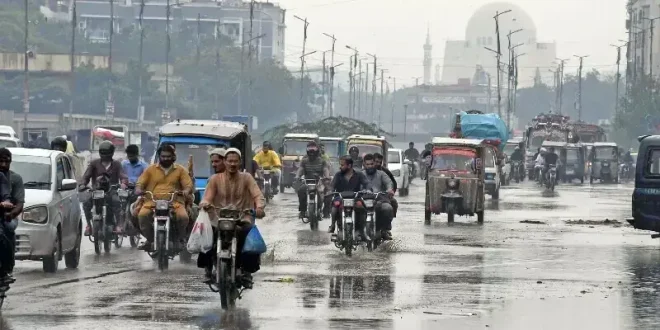
- Infrastructure and Urban Preparedness: Dust storms can reduce visibility and pose health risks, while strong winds and heavy rain threaten vulnerable structures, power lines, and communication networks. Urban centers, particularly those prone to waterlogging like Lahore and Rawalpindi, could experience localized flooding and disruptions to daily life.
- Disaster Risk in Mountainous Regions: The explicit warning of landslides in KP, GB, and Kashmir is a serious concern. These regions are geologically unstable and prone to such events, especially after heavy rainfall, posing a direct threat to lives, infrastructure, and connectivity.
- Water Resources: While localized, the rainfall could offer some temporary relief from the prevailing heat and contribute to water replenishment in rivers and possibly smaller reservoirs, though unlikely to significantly alter the national water security outlook.
- Public Safety and Tourism: The advisory for tourists to exercise caution is paramount, especially given the popularity of northern areas during early summer. Unpredictable weather can make travel dangerous, underscoring the need for careful planning and adherence to safety guidelines.
Impact on Pakistan: Economic, Social, and Environmental Ripples
The forecasted weather system, while not a long-duration event, could generate immediate and short-term impacts across Pakistan:
- Economic Strain: Potential crop damage could lead to losses for farmers, impacting rural economies. Disruptions to transportation and commerce in affected urban areas could also incur economic costs. Damage to infrastructure, however minor, adds to maintenance burdens.
- Social Disruption: Landslides could lead to temporary displacement and isolation of communities in mountainous regions. Power outages are a common consequence of strong winds and rain, impacting households and businesses. Dust storms can exacerbate respiratory issues, particularly for vulnerable populations.
- Environmental Considerations: While rain is generally beneficial, intense, short bursts can lead to soil erosion. The interaction of a westerly wave with the pre-monsoon heat can create unique atmospheric conditions, contributing to the broader pattern of extreme weather events observed globally.
- Preparedness and Resilience: The advisory serves as a crucial test of local disaster management authorities and public awareness campaigns. Effective communication and swift response mechanisms will be key to mitigating potential harm.
Analysis: Navigating a Shifting Climate Landscape
The PMD’s early warning is a testament to improving meteorological capabilities, offering valuable lead time for preparedness. However, the nature of this forecast – a significant westerly wave impacting widespread areas at the onset of summer – prompts deeper reflection.
Firstly, while westerly waves are a regular feature of Pakistan’s climate, their intensity, timing, and geographical reach can sometimes deviate from historical norms. In the context of global climate change, Pakistan remains highly vulnerable to altered weather patterns, including more frequent and intense extreme events. This early June storm, while potentially providing some temporary relief from the heat, also highlights the increasing unpredictability and variability that define the contemporary climate.
Secondly, the comprehensive list of affected areas, stretching from the northern mountains to parts of upper Sindh and Balochistan, underscores the pervasive nature of this system. It necessitates a coordinated response across multiple provincial and local disaster management authorities. The specific warnings about landslides and structural damage are critical indicators of high-risk areas where vigilance and preventative measures are most urgent.
Looking ahead, while this westerly wave is distinct from the summer monsoon, its occurrence prompts questions about the broader atmospheric conditions. Will this early June activity be a precursor to an active monsoon season, or is it an isolated event? Only time will tell, but it reinforces the need for continuous monitoring and adaptive strategies for both long-term agricultural planning and immediate disaster response. Pakistan’s ability to build climate resilience, invest in robust infrastructure, and empower communities with timely information will be paramount in navigating these evolving weather challenges.
“`