Dost Pakistan Journeys Tours and safaris in the North & South Pakistsn
Related Articles
“`html
Ebola Outbreak in DRC: WHO Sounds Alarm on Bundibugyo Strain – A Global Health Challenge
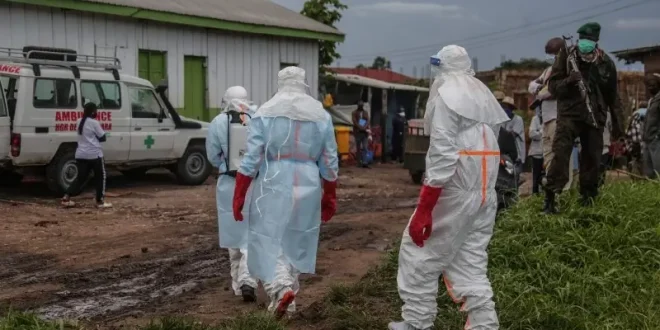
The global health community is on high alert as the World Health Organization (WHO) provides updated figures on a concerning Ebola outbreak, primarily centered in the Democratic Republic of Congo (DRC) and extending into Uganda. With a total of 906 suspected cases and 223 suspected deaths under investigation, alongside 125 confirmed cases and 17 confirmed fatalities in the DRC, the situation underscores persistent vulnerabilities in global health security.
This particular outbreak involves the less common Bundibugyo strain of Ebola, for which no vaccine currently exists. The WHO has already escalated its response, declaring it a Public Health Emergency of International Concern (PHEIC), highlighting its potential for widespread impact if not contained effectively.
What’s Happening in the DRC and Uganda?
Recent reports from the WHO confirm a significant health crisis unfolding across the DRC’s eastern provinces of Ituri, North Kivu, and South Kivu, with cases also identified in neighboring Uganda. While Uganda has reported seven confirmed cases, including three imported from the DRC, a crucial distinction has been made: no community transmission has been detected within Uganda, suggesting effective initial containment measures at its borders.
The outbreak, believed to have started approximately two months prior to its declaration, caused alarm due to the initial period it went undetected. This delay allowed the virus to spread within densely populated regions, significantly complicating efforts to trace contacts and isolate infected individuals. With a fatality rate for confirmed cases estimated between 30% and 50% – a stark reminder of Ebola’s lethality – the urgency of the response cannot be overstated. Health experts emphasize that early medical intervention is paramount in improving survival rates, a point underscored by the recent discharge of the first recovered patient in the DRC.
Understanding Ebola: The Bundibugyo Threat
Ebola virus disease (EVD) is a severe, often fatal illness in humans. It first emerged in 1976 and has historically caused sporadic outbreaks across Africa. The virus is transmitted to people from wild animals and spreads in the human population through direct contact with the blood, secretions, organs or other bodily fluids of infected people, and with surfaces and materials (e.g., bedding, clothing) contaminated with these fluids.
While the most widely known strain, Zaire ebolavirus, has an available vaccine (Ervebo), the current outbreak involves the Bundibugyo strain. This distinction is critical as the Zaire vaccine offers no protection against Bundibugyo, leaving affected communities and healthcare workers vulnerable. The absence of a specific vaccine for this strain elevates the risk profile of the current situation, making traditional public health measures like rigorous surveillance, rapid diagnosis, contact tracing, and safe burial practices the primary tools for containment.
The Democratic Republic of Congo, in particular, has a long history of grappling with Ebola outbreaks, often compounded by a fragile healthcare infrastructure, internal conflict, and population displacement. These factors create a challenging environment for disease control, making each new outbreak a severe test of local and international response capacities.
Why This Outbreak Demands Global Attention
The current Ebola outbreak is more than a regional health crisis; it’s a critical test of global health security for several reasons:
- High Fatality Rate: The Bundibugyo strain’s 30-50% mortality rate means half of those infected may not survive, stressing health systems and creating profound societal fear.
- Lack of Vaccine: The absence of a targeted vaccine for the Bundibugyo strain leaves a significant protective gap, relying solely on stringent public health interventions.
- Complex Operating Environment: Eastern DRC is plagued by instability, conflict, and population movement. These factors severely hinder access for health workers, compromise surveillance efforts, and make community engagement challenging, risking further spread.
- Cross-Border Transmission: The confirmation of imported cases into Uganda underscores the potential for international spread, emphasizing the need for robust cross-border collaboration and preparedness.
- Economic and Social Disruption: Outbreaks devastate local economies, disrupt essential services, and can lead to stigma and fear, exacerbating humanitarian crises.
The WHO’s PHEIC declaration serves as a crucial signal, urging increased international aid, resource mobilization, and coordinated efforts to prevent a wider catastrophe.
Ebola’s Ripple Effect: What It Means for Pakistan and Beyond
Geographically, Pakistan is thousands of miles from the DRC, leading many to assume a minimal direct impact. However, in an interconnected world, a public health emergency anywhere carries implications everywhere:
- Global Health Security: Outbreaks like Ebola underscore the importance of robust global health security frameworks. Pakistan, like all nations, benefits from a strong WHO and international cooperation in managing such threats. A strain on global resources can divert attention and funding from other crucial health initiatives worldwide.
- Lessons in Preparedness: The challenges faced in the DRC – from early detection to contact tracing in dense populations – offer vital lessons for Pakistan. Strengthening national disease surveillance systems, enhancing laboratory diagnostic capabilities, and developing rapid response protocols for infectious diseases are paramount.
- Travel and Trade Considerations: While direct travel links might be limited, the potential for international travel restrictions or enhanced screening measures could indirectly affect Pakistani citizens travelling to or from affected regions or global hubs.
- Healthcare Worker Safety: The high risk to frontline healthcare workers in the DRC highlights the need for adequate training, protective equipment, and support for medical professionals globally, including in Pakistan, who might encounter novel or high-threat pathogens.
For Pakistan, the DRC Ebola crisis serves as a potent reminder that investing in public health infrastructure and international partnerships is not merely a humanitarian gesture but a critical component of national security and economic stability.
The Road Ahead: Navigating a Complex Public Health Crisis
The current figures, particularly the rising number of suspected cases, present a dual narrative: while alarming, they also indicate that surveillance mechanisms are becoming more effective, identifying potential infections that might otherwise go unnoticed. This improved detection is a critical first step towards containment.
However, the assertion that the peak of the outbreak has not yet been confirmed by the WHO’s High Threat Pathogens Team underscores the ongoing uncertainty and the persistent threat. The battle against this Bundibugyo strain is a race against time, complicated by its lack of a vaccine, the challenging operational environment, and the human cost of a disease that claims up to half of its confirmed victims.
Success will hinge on a multi-faceted approach: bolstering testing capacity to clear backlogs, ensuring rapid and early access to supportive care, sustained international funding and technical assistance, and critically, building trust and engagement within affected communities to facilitate public health interventions. Only through concerted, collaborative, and adaptable efforts can the global community hope to control this dangerous outbreak and prevent its wider spread, safeguarding not just regional health, but global well-being.
“`