 Dost Pakistan Journeys Tours and safaris in the North & South Pakistsn
“`html
Pakistan’s Assertive Stance: Analyzing Cross-Border Strikes Against Terrorism
In a decisive move, Pakistan’s security forces have escalated their counter-terrorism efforts along the volatile Pakistan-Afghanistan border. This article delves into the recent kinetic actions, their underlying context, and the broader implications for regional security and diplomatic ties.
The News: A Forceful Response to Terrorism
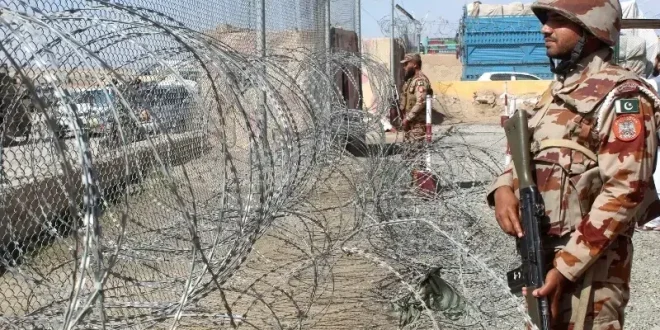
Pakistan has launched a series of “well-planned intelligence-based ground operations” and “calibrated strikes” against terrorist hideouts and safe havens along its border with Afghanistan. Information Minister Attaullah Tarar confirmed the killing of 29 terrorists, including high-value commander Khan Farosh (aka Zabal) from Jamaatul Ahrar. These operations primarily targeted elements of Jamaatul Ahrar and the Tehreek-i-Taliban Pakistan (TTP), referred to by the state as Fitna al Khawarij.
The strikes were a direct response to a surge in terrorist activities within Pakistan, including attacks in Khyber Pakhtunkhwa (KPK) and Balochistan, and a notable assault on a Pakistan Rangers Sindh camp in Karachi. The Karachi attack, attributed to “Indian proxy, Jamaatul Ahrar,” resulted in the martyrdom of three security personnel. Subsequent investigations revealed that an arrested terrorist had been trained in Afghanistan, underscoring the cross-border dimension of the threat.
Operations included a ground engagement in Bajaur district (KPK) on June 28, followed by precision air strikes on the night of June 28/29, which reportedly destroyed three terrorist targets in Paktia, Paktika, and Kunar provinces in Afghanistan. This kinetic action, part of the broader “Operation Ghazab lil-Haq” and the “Azm-i-Istehkam” counter-terrorism campaign, signals Pakistan’s resolve to eliminate foreign-sponsored terrorism and protect its citizens.
Background: A Deepening Crisis at the Border
The resurgence of terrorism in Pakistan is inextricably linked to the Afghan Taliban’s return to power in Kabul in August 2021. Since then, Islamabad has consistently accused the Taliban administration of failing to dismantle terrorist sanctuaries on Afghan soil, particularly those belonging to the banned Tehreek-i-Taliban Pakistan (TTP). Despite repeated diplomatic appeals, Pakistan’s concerns have largely gone unheeded, leading to a significant deterioration in bilateral relations.
The term “Fitna al Khawarij”, or simply khawarij, is a significant rhetorical tool employed by the Pakistani state. It labels the TTP and allied groups as apostates or rebels, delegitimizing their ideology and actions from an Islamic perspective, which is crucial for public messaging and rallying support for counter-terrorism efforts within a conservative society.
This recent escalation follows a pattern of heightened tension. “Operation Ghazab lil-Haq” was initially launched in February in response to unprovoked firing by Afghan Taliban elements across the border. While temporary pauses were observed during Eidul Fitr, partly due to mediation efforts by Saudi Arabia, Qatar, and Turkey, Pakistan’s Foreign Office affirmed that the operation would continue “until its objectives are achieved.” Chief of Army Staff General Asim Munir has unequivocally stated that peace can only prevail if the Taliban regime “renounced their support for terrorism and terrorist organisations.”
Further complicating the regional dynamic, China has stepped in as a mediator, hosting initial meetings between Pakistan and the Afghan Taliban in Xinjiang. Beijing’s involvement highlights its concern for regional stability and its strategic interest in a peaceful, secure Central and South Asian corridor.
Impact on Pakistan: Security, Diplomacy, and Stability
The escalating cross-border conflict carries profound implications for Pakistan across multiple dimensions:
- Internal Security Challenges: The constant threat of sophisticated attacks, like those in Karachi and the tribal districts, places immense strain on Pakistan’s security apparatus. It necessitates significant resource allocation for counter-terrorism, diverting funds and personnel from other critical areas. The loss of lives among security personnel and civilians is a tragic and ongoing cost.
- Diplomatic Strain with Afghanistan: Despite shared cultural and religious ties, relations between Islamabad and the Afghan Taliban administration are at an all-time low. The lack of cooperation on security matters undermines efforts for regional stability and makes long-term peace elusive.
- Economic Vulnerabilities: Persistent insecurity, particularly in border regions, deters foreign investment, disrupts trade routes, and hampers development initiatives crucial for Pakistan’s economic growth. The instability contributes to an environment of uncertainty, impacting market confidence.
- Humanitarian Concerns: Conflict in border areas often leads to displacement and creates humanitarian challenges, further burdening a country already grappling with economic difficulties and the effects of climate change.
- Reinforced National Resolve: The launch of comprehensive campaigns like “Azm-i-Istehkam” (Resolve for Stability) reflects a national commitment to confront terrorism head-on. This initiative aims to consolidate gains against militancy by integrating security operations with socio-economic development.
Analysis: Pakistan’s Strategic Shift and Regional Realities
Pakistan’s recent actions represent a significant shift towards a more assertive and pre-emptive counter-terrorism strategy. After years of diplomatic appeals yielding little success, Islamabad appears to have opted for direct kinetic action against elements it holds responsible for internal attacks. This approach, exemplified by “Operation Azm-i-Istehkam,” signals that Pakistan is no longer content to merely react but intends to strike at the source of the threat, even if it means crossing sovereign borders.
The Dilemma of the Afghan Taliban
At the heart of the issue is the Afghan Taliban’s stance. Whether due to ideological affinity, a lack of capacity, or a deliberate policy choice, their inability or unwillingness to control groups like the TTP within their territory is a primary driver of the conflict. Pakistan believes these groups leverage Afghan soil as a launchpad for attacks, making cross-border strikes a perceived necessity for national security. The accusation of “Indian proxy” involvement, particularly regarding Jamaatul Ahrar, adds a geopolitical dimension, framing the conflict within broader regional rivalries and justifying a firm response to external influences.
Effectiveness and Risks of Kinetic Action
While the elimination of high-value targets and destruction of terrorist hideouts are tactical successes, the long-term effectiveness of such strikes remains a critical question. These operations can degrade immediate capabilities but may not fully address the underlying factors that fuel extremism. There’s a risk of further escalating tensions, potentially leading to retaliatory actions or broadening the scope of the conflict. Sustained pressure, coupled with a multifaceted approach that includes intelligence sharing, border management, and addressing socio-economic grievances in vulnerable regions, will be vital.
The Role of Regional Mediation
China’s mediation efforts highlight a broader regional concern for stability. Beijing’s strong economic ties with Pakistan and its ambitions for the Belt and Road Initiative make peace along the Pak-Afghan border a strategic imperative. While mediation offers a channel for de-escalation and dialogue, its success hinges on the willingness of both Islamabad and Kabul to compromise and genuinely address each other’s security concerns. For now, it appears to be more about managing tensions than achieving a lasting resolution.
Looking Ahead: A Complex Path
Pakistan’s current strategy reflects a difficult reality: the security vacuum and extremist sanctuary in Afghanistan pose an existential threat. The “Azm-i-Istehkam” campaign represents an integrated vision to combat terrorism, extending beyond military operations to include governance reforms and socio-economic development. However, without a fundamental shift in the Afghan Taliban’s approach to counter-terrorism, and with the continued flow of foreign support (as alleged by Pakistan), the challenges for regional security and stability will likely persist, requiring Pakistan to maintain its assertive, albeit risky, posture.
“`
