Dost Pakistan Journeys Tours and safaris in the North & South Pakistsn
Related Articles


$390m Reko Diq Bridge Loan for ML-3: A Risky Bet on Pakistan’s Mineral Future
Key Highlights:
- Pakistan’s critical 996-km Main Line-3 (ML-3) railway upgrade, linking Rohri to Koh-i-Taftan, will receive a $390 million bridge loan from the Reko Diq Mining Company (RDMC).
- The project, estimated at $892 million (Rs280 billion), is vital for transporting minerals from the multi-billion-dollar Reko Diq copper and gold project.
- Concerns raised by the Planning Commission include significant fiscal pressure due to a two-year bullet repayment, high security costs (17% of total), inadequate post-completion security planning, and delayed public sector funding.
- The upgraded corridor aims to boost mineral exports, enhance regional connectivity with Iran and Turkiye, and improve access to Gwadar Port.
The News: Urgent Infrastructure Push for Mineral Wealth
In a significant development for Pakistan’s infrastructure and mineral sector, the long-awaited upgrade of the Main Line-3 (ML-3) railway project is set to proceed with a substantial $390 million bridge loan. This financing comes directly from the Reko Diq Mining Company (RDMC), the joint venture behind Pakistan’s massive copper and gold reserves. The 996-kilometre railway line, stretching from Rohri through Sibi and Quetta to Koh-i-Taftan, is deemed crucial for the efficient transportation of Reko Diq’s output.
However, this rapid injection of funds comes with strings attached and has triggered scrutiny from the Planning Commission. Key concerns revolve around the short repayment window for the loan – a lump-sum “bullet” payment due within two years – and the project’s hefty security costs, estimated at nearly 17% of the total budget. The commission has also highlighted insufficient planning for long-term security post-completion and a potential mismatch between the project’s ambitious timeline and its allocated funding within the Public Sector Development Programme (PSDP).
Background: Tapping Untapped Potential and Bridging Economic Gaps
The story of the ML-3 upgrade is deeply intertwined with the fortunes of the Reko Diq copper and gold project. Located in Balochistan, Reko Diq is one of the world’s largest undeveloped copper-gold deposits, holding immense potential to transform Pakistan’s economy. The project is a joint venture, with Canada’s Barrick Gold Corporation holding a 50% stake, and the remaining 50% split equally between the Balochistan government and three federal state-owned entities (OGDCL, PPL, and GHPL).
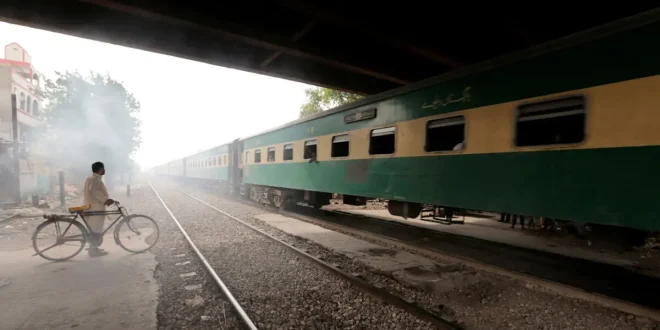
For Reko Diq to realize its export potential, robust transportation infrastructure is non-negotiable. The existing ML-3 railway, notorious for its dilapidated condition, is currently a major bottleneck. Trains crawl at speeds of just 10-15 kilometres per hour, taking nearly 48 hours for journeys that should be a fraction of that time, severely limiting both freight and passenger traffic. The current road network is simply inadequate for the scale of mineral transportation envisioned.
Beyond Reko Diq, the ML-3 corridor holds immense strategic importance. It serves as a vital artery for regional connectivity, linking Pakistan directly with Iran and Turkiye. This connection opens doors to markets in Central Asia and Europe, positioning Pakistan as a key transit hub. Furthermore, an upgraded line facilitates improved access to Gwadar Port, offering a shorter export route for minerals and other goods, thereby bolstering Pakistan’s maritime trade ambitions.
In the face of persistent financial constraints, Pakistan’s government often seeks innovative financing solutions for large-scale development projects. The bridge loan from RDMC, while unconventional, underscores the urgency and the perceived economic criticality of the ML-3 upgrade for unlocking Reko Diq’s wealth and broader regional trade.
Impact on Pakistan: A Path to Prosperity, Paved with Challenges
The successful upgrade of the Pakistan Railways ML-3 promises multi-faceted benefits for the nation:
- Economic Boost: The primary impact will be the unlocking of mineral exports from Reko Diq. Efficient rail transport to Karachi ports could generate substantial foreign exchange earnings, significantly strengthening Pakistan’s economic position. The project is also expected to create numerous jobs during construction and operation, stimulating local economies in Balochistan and along the route.
- Enhanced Trade and Connectivity: By improving the link to Iran and Turkiye, Pakistan can realize its vision of becoming a regional trade hub. Faster, more reliable rail services will facilitate increased freight traffic, fostering cross-border trade and strengthening geopolitical ties. The connection to Gwadar Port further diversifies export options, reducing reliance on Karachi and expanding trade horizons.
- Modernized Infrastructure: The rehabilitation of tracks, embankments, bridges, and the construction of new stations will bring Pakistan’s railway infrastructure into the 21st century along this crucial corridor. This means improved safety, reduced travel times (from 48 hours to an expected 15 hours for passengers, and increased freight capacity from 1-2 trains to 26 trains per month), and greater operational efficiency for both cargo and passenger services.
However, these potential gains are shadowed by significant challenges:
- Fiscal Pressure: The $390 million bridge loan, with its short two-year bullet repayment schedule, poses a considerable fiscal risk. Given Pakistan’s ongoing economic struggles and foreign exchange vulnerabilities, securing such a large sum for repayment by June 2028 will require meticulous financial planning and potentially strain national reserves.
- Security Concerns: The allocation of a massive Rs46.38 billion ($162 million) for security costs, accounting for nearly 17% of the total project budget, is alarming. Balochistan, the province through which much of the ML-3 passes, has a history of security challenges and insurgent activity. This high cost not only impacts the project’s financial viability but also raises questions about long-term security arrangements and their sustainability post-completion.
- Funding Gaps and Delays: The Planning Commission’s observation that only 9% of the project cost has been earmarked for the first year, despite a seven-year execution period, suggests potential for delays and cost escalations – a common pitfall in past Pakistani infrastructure projects. Relying heavily on future PSDP allocations, which can be subject to budgetary cuts, introduces further uncertainty.
Analysis: Balancing Strategic Imperatives with Financial Prudence and Security Realities
The ML-3 upgrade project embodies Pakistan’s ambitious drive to leverage its vast mineral wealth and strategic geographic location for economic development. The decision to accept a bridge loan from RDMC, while unorthodox, highlights the government’s commitment to expediting the Reko Diq project, which cannot function optimally without this railway lifeline. It represents a pragmatic, albeit risky, move to overcome immediate financial constraints.
The Planning Commission’s scrutiny is well-founded and crucial. The “bullet payment” mechanism introduces a significant short-term debt obligation that Pakistan’s fragile economy can ill afford to mismanage. A robust financial strategy beyond relying on future PSDP allocations is imperative to avoid default or severe economic strain. This project could serve as a test case for innovative public-private partnership models, but the current financing arrangement appears to place a substantial burden back on the federal exchequer in the near term.
Perhaps the most contentious aspect is the colossal security cost. While security is undeniably critical in certain parts of Balochistan, integrating such a high percentage into a development project’s budget raises serious questions about efficiency, transparency, and the sustainability of ongoing security provisions. The commission’s query regarding consulting the provincial government for local police involvement points to a deeper issue: a lack of integrated security planning that transcends departmental silos. A long-term security strategy that addresses root causes, rather than merely providing armed guards, will be vital for the project’s enduring success and for fostering a stable environment for investment.
Despite these considerable challenges, the strategic imperative behind the ML-3 upgrade cannot be overstated. It is not just about Reko Diq; it’s about connecting Pakistan’s interior to its ports, strengthening regional trade routes with key partners like Iran and Turkiye, and positioning the country as a viable transit hub in the wider Eurasian corridor. The project represents a significant step towards modernizing Pakistan’s critical infrastructure, which is a prerequisite for sustained economic growth and attracting further foreign direct investment.
Ultimately, the success of the ML-3 project will hinge on a delicate balance: the government’s ability to manage its fiscal responsibilities, develop a comprehensive and sustainable security framework, and ensure timely execution without the perennial delays and cost overruns that have plagued similar endeavors. This project is a crucial economic gamble, and its outcome will have far-reaching implications for Pakistan’s mineral sector, regional trade aspirations, and overall economic stability.
“`