 Dost Pakistan Journeys Tours and safaris in the North & South Pakistsn
Related Articles



“`html
Pakistan’s Syringe Ban: A Decisive Move Against a Lingering Public Health Crisis
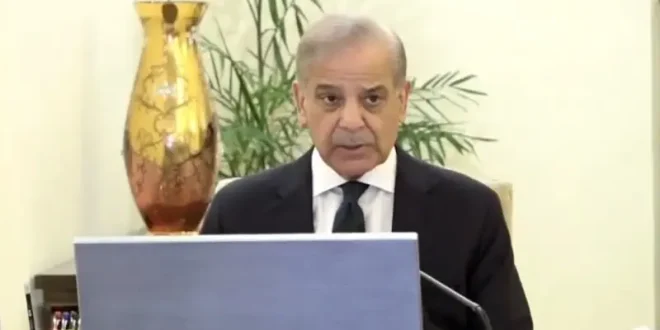
Pakistan’s Prime Minister Shehbaz Sharif has issued a sweeping directive to halt the production and use of substandard syringes nationwide. This urgent measure aims to combat the alarming spread of infectious diseases like HIV and Hepatitis C, which have plagued the nation’s healthcare system for years, often stemming from unsafe medical practices. The move signals a concerted effort to fortify public health infrastructure and restore trust in medical institutions across the country.
The Premier’s Directive: A Stand Against Substandard Syringes
In a significant step towards safeguarding public health, Prime Minister Shehbaz Sharif has mandated an immediate prohibition on the manufacturing and deployment of unapproved syringes throughout Pakistan. This decisive action is a direct response to the persistent threat of infectious diseases, notably HIV and Hepatitis C, which have seen concerning upticks across various regions.
The directive, which emerged from a high-level meeting focused on disease prevention and control, underscores the government’s renewed commitment to patient safety and the eradication of preventable infections. Crucially, the premier called for strict penalties against any individual or medical facility found using illicit syringes or demonstrating criminal negligence in their use or disposal. This highlights an intent to establish clear accountability within the healthcare sector.
To tackle the challenge comprehensively, a specialized expert committee is to be established. This body will formulate recommendations for controlling infectious diseases, ensuring these strategies are developed in close collaboration with provincial governments to foster a unified national approach. Further legislative support is sought, with the Law Ministry tasked to propose necessary amendments to existing legal and regulatory frameworks that govern medical devices and practices.
Furthermore, the Drug Regulatory Authority of Pakistan (DRAP) has been instructed to work closely with the medical devices industry. Their joint effort aims to devise permanent solutions for preventing disease transmission via medical equipment, moving towards sustainable safety standards. PM Sharif also emphasized the critical role of international partnerships in these efforts and stressed the importance of upgrading medical staff training to align with global benchmarks, ensuring healthcare providers are equipped with the best practices in infection control.
A Troubling History: Pakistan’s Battle with Healthcare-Associated Infections
Pakistan has regrettably witnessed a succession of HIV outbreaks directly attributable to deficiencies within its healthcare system, particularly unsafe injection practices. These incidents have not only claimed lives but also significantly eroded public confidence in medical facilities.
Recent reports paint a grim picture, with an alarming increase in pediatric HIV cases documented in several Karachi hospitals earlier this year, signaling a continuous vulnerability within the system. Adding to this concern, an investigation by the BBC exposed ongoing negligent practices in a government hospital in Punjab’s Taunsa, despite earlier links to a child HIV outbreak. The investigation disturbingly revealed that hundreds of children continued to contract HIV even after official interventions were supposedly in place, highlighting a systemic failure that extended from late 2024 through October 2025.
Last year, another significant outbreak hit Karachi’s densely populated SITE Town, where numerous children receiving treatment at the Kulsum Bai Valika Social Security SITE Hospital were subsequently diagnosed with HIV. These local outbreaks underscore the widespread nature of the problem, affecting various communities.
Perhaps one of the most stark examples was the 2019 outbreak in Ratodero, Sindh, where hundreds of children were infected. This crisis prompted the urgent intervention of the World Health Organization (WHO), whose investigation conclusively identified the repeated use of injections as the primary vector for disease transmission. These repeated occurrences across different regions and years underscore a pervasive and critical issue requiring urgent, systemic attention.
The Human and Economic Toll: Why This Ban Matters
The prevalence of substandard medical practices, particularly regarding syringe use and infection control, has profound and far-reaching consequences for Pakistan, impacting its citizens, healthcare infrastructure, and socio-economic fabric.
- Public Health Crisis: At its core, unsafe medical practices represent a direct assault on public health, exposing vulnerable populations, especially children, to life-threatening infections such as HIV and Hepatitis C. The human cost is immeasurable, leading to chronic illness, premature death, and immense suffering for affected families who must cope with the long-term implications of these diseases.
- Erosion of Trust: Such recurring incidents severely damage public trust in the healthcare system. When hospitals, meant to be havens of healing, become sources of infection, citizens become wary of seeking necessary medical attention. This hesitancy can lead to delayed diagnoses and worse health outcomes for otherwise treatable conditions, creating a vicious cycle of distrust and poor health.
- Economic Strain: The financial burden associated with treating HIV and Hepatitis C, which are often lifelong conditions requiring expensive medication and care, places an enormous strain on Pakistan’s already stretched healthcare resources. This diverts essential funds that could otherwise be used for preventive care, infrastructure development, or other crucial public health services, hindering overall healthcare progress.
- Social Stigma: Patients who contract these diseases through medical negligence often face significant social stigma and discrimination within their communities. This added burden further isolates them and complicates their recovery and integration into society, impacting their mental and emotional well-being.
- International Image: Repeated outbreaks and failures to ensure basic medical safety can also tarnish Pakistan’s international reputation. This could potentially impact global partnerships and aid in the health sector, as well as broader international relations. The Prime Minister’s explicit call for international support highlights both the severity and the external perception of the issue.
Beyond the Ban: A Holistic Approach to Healthcare Reform
Prime Minister Shehbaz Sharif’s directive to ban substandard syringes is undoubtedly a critical and welcome first step. However, for a lasting solution, Pakistan necessitates moving beyond a mere prohibition to address the deeply entrenched systemic issues that have allowed such a public health crisis to fester for years.
- Enforcement is Paramount: The ultimate success of this ban hinges entirely on robust and consistent enforcement across the country. Pakistan’s vast and diverse healthcare landscape, encompassing both public and private facilities in bustling urban centers and remote rural areas, presents a significant challenge. Effective monitoring, regular and unannounced inspections, and swift, transparent punitive actions against violators are essential to ensure compliance and deter future breaches. This requires strong inter-provincial coordination, as recommended by the PM, to standardize and execute policies effectively.
- Addressing Root Causes: The repeated use of syringes, as conclusively identified in the Ratodero outbreak, often stems from a complex interplay of economic pressures, lack of awareness, and weak regulatory oversight. Healthcare providers, particularly in under-resourced settings, might resort to reusing instruments due to cost constraints or limited access to affordable, high-quality supplies. The government must ensure a reliable, equitable, and affordable supply chain for sterile medical devices across the nation, preventing reliance on dangerous alternatives.
- Education and Training: The Prime Minister’s emphasis on training medical staff to international standards is vital. Many healthcare-associated infections could be prevented with proper training in infection control, waste management, and safe injection practices. Beyond medical professionals, public awareness campaigns are also crucial to empower citizens to demand and recognize safe medical practices, fostering a culture of health literacy.
- Regulatory Reform and Accountability: The directive for the Law Ministry to amend existing legal and regulatory frameworks, along with DRAP’s active involvement with the medical device industry, points towards a necessary overhaul of the governance structure. This reform must establish clear standards, rigorous inspection protocols, and robust mechanisms for holding both manufacturers of substandard products and healthcare providers accountable for breaches. Without genuine accountability, directives risk becoming mere pronouncements with limited practical impact.
- Holistic Approach: The formation of an expert committee signals an understanding that a multifaceted, integrated strategy is required. This committee, collaborating with provinces and leveraging international expertise, must develop a comprehensive national strategy that integrates prevention, active surveillance of outbreaks, effective treatment protocols, and extensive public health education.
While the ban on substandard syringes is a strong declaration of intent and a crucial measure, it marks the beginning, not the end, of Pakistan’s battle against healthcare-associated infections. Sustained political will, vigilant implementation, unwavering commitment to systemic reform, and broad collaboration are crucial to transform this directive into a tangible and lasting improvement in public health outcomes for all Pakistanis.
“`

