Dost Pakistan Journeys Tours and safaris in the North & South Pakistsn
Related Articles

Pakistan-Turkiye Economic Partnership: A New Era of Strategic Collaboration Unfolds
[Date of Publication – e.g., June 15, 2024]
The News: Forging Deeper Bonds in Istanbul
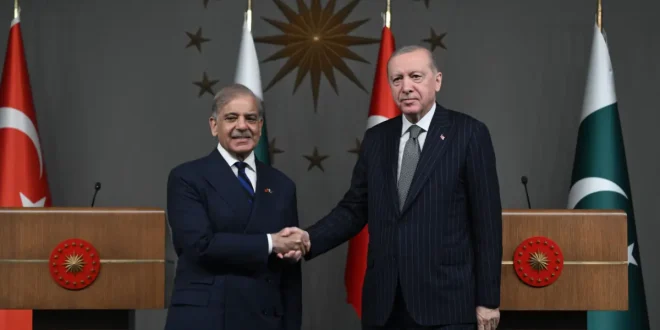
Prime Minister Shehbaz Sharif’s recent official visit to Turkiye signaled a profound deepening of ties between Pakistan and Turkiye, characterized by the evocative phrase “two hearts with one soul.” During a joint press conference in Istanbul with President Recep Tayyip Erdoğan, PM Sharif articulated a clear vision: the bilateral economic partnership is “entering a new phase.” The leaders engaged in comprehensive and productive discussions, culminating in a reaffirmed commitment to escalate bilateral trade to an ambitious $5 billion target. This goal underlines a concerted effort to unlock the vast, untapped economic potential between these two historically aligned nations.
The visit wasn’t solely focused on economics; it also reinforced diplomatic solidarity. Both nations reiterated unwavering support for each other on core national issues, including Pakistan’s continued backing for the Turkish Republic of Northern Cyprus and Turkiye’s steadfast stance on the legitimate right to self-determination for the people of Jammu and Kashmir. A significant diplomatic highlight was President Erdoğan’s commendation of Pakistan’s pivotal role in mediating the United States-Iran “Islamabad Memorandum of Understanding,” an initiative credited with bringing a measure of calm to regional tensions. Furthermore, PM Sharif engaged extensively with Turkish business leaders, inviting investments across diverse sectors such as energy, mining, information technology, and defense, while also exploring the establishment of a Pakistan-Turkiye Digital Corridor and collaboration on 5G deployment. The signing of Memoranda of Understanding (MoUs) in the power sector further cemented the trajectory towards enhanced strategic and economic cooperation.
Background: A Shared History and Enduring Brotherhood
The relationship between Pakistan and Turkiye is unique, extending far beyond typical diplomatic engagements into a realm of deep cultural and historical brotherhood. This profound connection traces its roots back to the early 20th century, notably during the Khilafat Movement, when Muslims of the Indian subcontinent passionately rallied in solidarity with Turkiye during its War of Independence. This historical empathy has since been reciprocated consistently, with Turkiye emerging as one of Pakistan’s most reliable allies, offering crucial support during national adversities such as devastating earthquakes and catastrophic floods. President Erdoğan’s personal visits to affected areas and his wife Emine Erdoğan’s symbolic donations epitomize this spirit of shared compassion.
Strategically, both countries share common perspectives on various regional and international developments. Turkiye’s growing influence and its active foreign policy, coupled with Pakistan’s pivotal geostrategic location, create natural convergences of interest. The High-Level Strategic Cooperation Council (HLSCC) serves as a vital institutional framework, facilitating regular dialogue and coordinating efforts across numerous sectors. Despite this deep bond, bilateral trade has historically lagged behind its potential. Instruments like the Preferential Trade Agreement (PTA) are specifically designed to dismantle existing barriers and foster a more robust commercial exchange. It is upon this rich tapestry of historical affinity, mutual support, and evolving strategic imperatives that the current drive to elevate their economic partnership is firmly anchored.
Impact on Pakistan: Opportunities Amidst Challenges
For Pakistan, an invigorated partnership with Turkiye offers substantial opportunities, particularly as the nation strives for economic stability and growth. The ambitious goal of achieving $5 billion in bilateral trade represents a significant stride towards diversifying Pakistan’s trade relationships and enhancing its global economic footprint. This economic expansion is poised to stimulate job creation, facilitate technology transfer, and foster industrial growth, all critical components for a developing economy.
- Economic Diversification and Investment: Increased Turkish investment in key sectors like energy, mining, infrastructure, and IT can provide a much-needed influx of foreign direct investment and technical expertise. The government’s Special Investment Facilitation Council (SIFC) is specifically designed to streamline processes, offering a “one-window” solution to attract and facilitate such strategic investments, thereby improving the ease of doing business.
- Digital Transformation and Innovation: The proposed Pakistan-Turkiye Digital Corridor and potential collaboration with Turkcell on 5G deployment are crucial for accelerating Pakistan’s digital economy. Such initiatives can enhance digital literacy, improve national connectivity, and foster a dynamic technological ecosystem, aligning Pakistan with global digital trends.
- Enhanced Defense Capabilities: Ongoing cooperation in the defense industry plays a vital role in strengthening Pakistan’s indigenous defense production capabilities and promoting strategic autonomy, reducing reliance on a single source for critical military technologies.
- Elevated Diplomatic Standing: Turkiye’s public acknowledgment and commendation of Pakistan’s mediation efforts in the US-Iran “Islamabad Memorandum of Understanding” significantly bolster Pakistan’s diplomatic prestige. This positions Pakistan as a constructive actor committed to regional peace and stability, potentially expanding its diplomatic influence and opportunities for similar engagements.
- Infrastructure Modernization: Inviting companies like Albayrak Group to invest in maritime infrastructure and port modernization is essential for upgrading Pakistan’s logistics network, which is fundamental for facilitating international trade and boosting regional connectivity.
- Energy Security: Discussions surrounding offshore and onshore petroleum exploration, alongside the recently signed MoUs in the power sector, are strategic steps towards addressing Pakistan’s persistent energy deficit and ensuring a more stable and secure energy supply.
However, translating these ambitious declarations into tangible, lasting outcomes will necessitate sustained political commitment, streamlined bureaucratic processes, and a consistently stable policy environment. The success of this “new phase” will hinge on effective implementation and dedicated follow-through on the agreed-upon initiatives.
Analysis: Beyond Rhetoric – A Strategic Pivot for Both Nations
The “two hearts with one soul” narrative, while emotionally resonant, also underpins a pragmatic and calculated strategic pivot for both Pakistan and Turkiye in an evolving global order. For Pakistan, intensifying its relationship with Turkiye forms part of a broader foreign policy diversification strategy, aiming to cultivate robust partnerships within the Muslim world and beyond traditional alliances. This approach offers a strategic counter-balance and strengthens Pakistan’s diplomatic flexibility in an increasingly multipolar world.
Under President Erdoğan’s leadership, Turkiye has similarly pursued an independent and assertive foreign policy, engaging dynamically across various regions. This shared inclination towards strategic autonomy and mutual respect creates a solid foundation for their partnership. The deliberate shift towards a $5 billion trade target underscores a transition from a relationship primarily anchored in sentiment to one driven by concrete economic and industrial collaboration. Mechanisms such as establishing Special Economic Zones (SEZs), expanding the Preferential Trade Agreement (PTA), and promoting direct business-to-business (B2B) engagements are designed to operationalize this economic ambition. By inviting Turkish investments across diverse sectors, Pakistan seeks to harness Turkiye’s industrial growth and technological advancements, which have been a hallmark of Erdoğan’s tenure.
Pakistan’s recognized mediation role in the US-Iran understanding is a crucial diplomatic achievement. Turkiye’s strong endorsement of this effort not only elevates Pakistan’s international standing but also signals a shared commitment to regional de-escalation. Both nations, given their strategic geographical positions and significant Muslim populations, share a vested interest in a stable Middle East, free from conflicts that could destabilize the broader region. President Erdoğan’s outspoken critique of Israeli actions in Gaza and his emphasis on regionally-led solutions further align with Pakistan’s long-standing foreign policy positions concerning peace and justice.
Ultimately, this burgeoning partnership reflects a broader trend among developing nations seeking to forge stronger bilateral and multilateral ties independent of traditional global power blocs. In a complex geopolitical landscape, the Pakistan-Turkiye axis, while not a formal alliance, represents a significant example of how emerging powers can enhance their collective influence and resilience through mutual economic and strategic cooperation. The enduring challenge will be to maintain this momentum, effectively navigate any bureaucratic hurdles, and manage geopolitical complexities to ensure these ambitious declarations translate into tangible and sustainable benefits for the people of both nations.