Dost Pakistan Journeys Tours and safaris in the North & South Pakistsn
Related Articles


“`html
KP Assembly Backtracks on Controversial Privileges Law: A Deeper Look at Accountability and Public Trust
The Khyber Pakhtunkhwa Assembly’s recent decision to review contentious legislation granting expansive privileges to its members highlights a recurring tension between legislative power and public accountability in Pakistan.
The News: A Swift Reversal Under Pressure
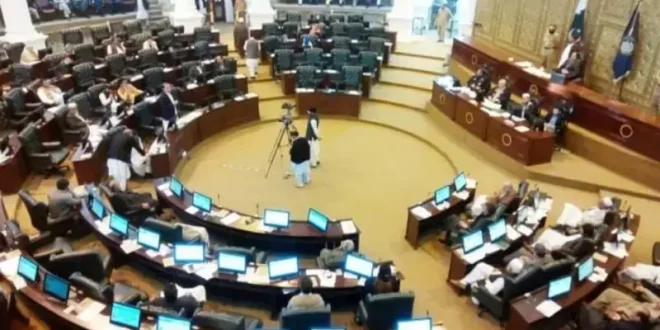
In a significant development, Khyber Pakhtunkhwa Assembly Speaker Babar Saleem Swati has referred the much-debated KP Provincial Assembly (Powers, Immunities and Privileges) Act, 2026, back to the house’s standing committee for further review. This move comes less than a month after the provincial assembly initially passed the bill in April, sparking widespread public outcry and media criticism.
The legislation, which aimed to significantly expand the entitlements of lawmakers, included provisions such as:
- Granting blue passports to assembly members and their spouses.
- Issuance of arms licenses.
- Blanket immunity from preventive detention.
- Mandating the Speaker’s permission before arresting members on criminal charges.
The intense backlash prompted KP Chief Minister Sohail Afridi to order a review last week. KP Information Minister Shafi Jan subsequently announced the government’s intention to withdraw the controversial clauses, aiming to restore them in line with the more moderate 1988 Act. The Standing Committee on Privileges has been tasked with re-examining these provisions within a week and has invited recommendations from the journalist community and the public.
Despite the concession, Minister Jan also presented a defense, stating that most provisions in the new law mirrored the 1988 Act, with the primary exception being the blue passport clause. He clarified that the cabinet-approved draft did not include lifetime entitlement or extension of blue passport facilities to children. Furthermore, he claimed that the issue had been “deliberately highlighted to divert attention” from a separate case involving Deputy Prime Minister Ishaq Dar’s grandson, asserting that similar amendments in Sindh and Punjab had not generated comparable public debate and demanding transparency on national blue passport figures.
Background: The Entitlement Debate in Pakistan
The controversy surrounding the KP Assembly’s privileges bill is not an isolated incident but rather a recurring theme in Pakistan’s political landscape, reflecting a persistent struggle between the perceived rights of elected representatives and the expectations of an often-struggling populace.
Understanding the Privileges
- Blue Passports: These are typically diplomatic or official passports granted to government officials for state travel, offering quicker processing, visa exemptions, and other diplomatic courtesies. Extending them to spouses and granting them as a general privilege for lawmakers, rather than for specific official duties, raises questions about the distinction between public service and personal entitlement.
- Immunity from Preventive Detention: Preventive detention allows for the arrest and imprisonment of individuals without trial, typically on grounds of national security or public order. Granting blanket immunity from this to lawmakers could be seen as shielding them from accountability, potentially creating a “privileged class” outside the reach of certain laws, although legislative immunity usually applies to actions taken during parliamentary proceedings.
- Speaker’s Permission for Arrests: While some protection from arbitrary arrest is essential for legislators to perform their duties without undue influence, requiring the Speaker’s permission for criminal charges can be viewed as an obstruction of justice, particularly if the charges are grave.
The Significance of the 1988 Act
The repeated reference to the 1988 Act as the benchmark for restoring privileges is critical. This implies that the original 2026 bill significantly overstepped previous standards, which were presumably more aligned with what was deemed reasonable and acceptable for parliamentary functions without infringing on the principles of equality before the law. The comparison highlights a perceived regression in the new legislation’s provisions.
Historical Context of Legislative Self-Interest
Pakistan has a history where political elites are often perceived as creating laws that serve their own interests rather than those of the public. This perception is exacerbated in a country grappling with economic instability, high inflation, and significant social challenges. When lawmakers grant themselves additional perks and immunities, it fuels public cynicism, reinforcing the narrative of a disconnect between the ruling class and the common citizen.
The swift public and media reaction underscores the increasing vigilance of civil society and the media, which act as crucial watchdogs against legislative overreach. This episode is a testament to their power in holding elected representatives accountable.
Impact on Pakistan: Erosion of Trust and Governance Challenges
This legislative controversy, even with its swift partial reversal, carries several significant implications for Pakistan.
- Erosion of Public Trust: The initial passage of such a self-serving bill, followed by a backtrack, severely damages public trust in democratic institutions. It fosters a belief that politicians prioritize personal gain over public service, widening the gap between the rulers and the ruled. In a democracy, trust in institutions is paramount for stability and effective governance.
- Questioning the Rule of Law: Provisions like immunity from preventive detention and requiring Speaker’s permission for arrests fundamentally challenge the principle of equality before the law. They create a legal distinction for lawmakers, implying that they are not subject to the same legal processes as ordinary citizens. This undermines the very foundation of a just legal system and can be seen as an attempt to evade accountability.
- Political Maneuvering and Blame Games: Information Minister Shafi Jan’s claim about the controversy being a “diversion” tactic from the Ishaq Dar’s grandson case reveals the deeply politicized nature of public discourse in Pakistan. Such claims, whether true or not, indicate that political actors often interpret public outcry through the lens of political rivalry, further complicating genuine efforts toward reform and transparency. It also suggests an unwillingness to take full responsibility for the controversial legislation itself.
- Precedent for Inter-Provincial Discrepancy: The minister’s observation that similar amendments in Sindh and Punjab did not generate comparable debate is intriguing. It raises questions about the differing levels of public awareness, media scrutiny, or political dynamics in various provinces. While this might be true, it does not justify a controversial law in KP; rather, it highlights a potential gap in scrutiny elsewhere or a unique set of circumstances that made KP’s public more sensitive to this particular issue.
- Economic Disconnect: In an economy where ordinary citizens struggle with rising costs and diminishing opportunities, demands for exclusive perks like blue passports appear tone-deaf and insensitive. It reinforces perceptions of an elite class unconcerned with the hardships faced by the majority.
Analysis: A Test of Democratic Accountability
The KP Assembly’s saga is a critical test of democratic accountability in Pakistan. It forces a deeper examination into legislative processes, political responsiveness, and the enduring power of public opinion.
Why the Backtrack? Genuine Concern or Strategic Retreat?
The rapid decision to refer the bill back to committee strongly suggests that the public backlash was more intense and widespread than anticipated. While Chief Minister Afridi’s order indicates political leadership’s recognition of the gravity of the situation, it is likely a strategic retreat to mitigate political damage and restore some semblance of public trust, rather than an immediate change of heart on the merits of the privileges. The initial passage indicates a willingness to enact such provisions, but the subsequent reversal demonstrates sensitivity (or vulnerability) to public disapproval.
The Role of the Standing Committee and Public Input
The referral to the Standing Committee on Privileges, with a tight one-week deadline, coupled with the invitation for public recommendations, is a positive step. However, the effectiveness of this move hinges on the committee’s genuine commitment to incorporating public feedback and making substantive changes. If the review is merely cosmetic, or if public input is tokenistic, the exercise will further erode trust. The mandate to align with the 1988 Act provides a clear objective and a measure against which the revised bill can be judged.
Balancing Legislative Functionality with Accountability
It is important to acknowledge that legislators do require certain privileges and immunities to perform their duties effectively, particularly in robust debate within the assembly without fear of frivolous lawsuits. However, the line between necessary operational privileges and self-serving entitlements is crucial. The KP bill appeared to cross this line significantly, blurring the distinction between protecting legislative functions and creating a privileged class above the law.
The “Diversion” Narrative: A Common Political Tactic
The Information Minister’s assertion that the controversy is a “diversion” from another high-profile case is a familiar political maneuver in Pakistan. Such claims often seek to deflect criticism, delegitimize public concerns, and shift focus. While political motives can intertwine, the validity of the public’s concerns regarding the privileges bill stands independently. It is critical for the public and media to scrutinize both the original legislation and the official narrative surrounding its review.
Lessons for Governance and Democracy
This incident offers several key lessons:
- Power of Public Opinion: It reaffirms that even in seemingly closed legislative environments, sustained public and media pressure can compel elected representatives to reconsider contentious decisions.
- Vigilance is Key: It underscores the continuous need for civil society, media, and citizens to remain vigilant about legislative processes, especially when it concerns the powers and privileges of those in authority.
- Need for Transparency: The demand for transparency regarding blue passport figures, and the legislative process itself, highlights the public’s desire for open and accountable governance.
Moving forward, the outcome of the committee’s review and the subsequent amendments will be closely watched. This episode serves as a powerful reminder that while legislators craft laws, they ultimately serve the people, and attempts to expand personal privileges at the expense of public trust will inevitably face robust scrutiny.
“`