Dost Pakistan Journeys Tours and safaris in the North & South Pakistsn
Related Articles


BALOCHISTAN BUDGET 2026-27: Balochistan passes Rs119bn suppl budget without debate
Published: June 21st, 2026
The News: Balochistan’s Swift Budget Approval
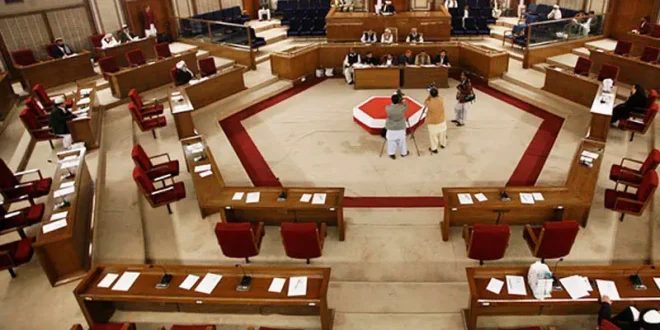
The Balochistan Assembly recently approved a supplementary budget of over Rs119 billion for the fiscal year 2025-26. This significant financial allocation, aimed at addressing urgent requirements and accelerating development projects, notably passed without any legislative debate or cut motions from opposition members. Chief Minister Mir Sarfraz Bugti reportedly urged swift approval, promising subsequent discussion. The supplementary budget is divided into approximately Rs61.29 billion for non-development expenditures and over Rs58.19 billion for development initiatives, with major allocations directed towards the energy sector (Rs28.35bn), the Provincial Disaster Management Authority (PDMA) (Rs12.67bn), and the Balochistan Special Development Initiative (BSDI) (Rs18.64bn).
Background: Understanding Balochistan’s Fiscal Landscape
What is a Supplementary Budget?
A supplementary budget is an additional financial appropriation introduced by a government outside of its regular annual budget cycle. It typically arises when unforeseen circumstances, emergencies, cost overruns on existing projects, or new critical development needs emerge that were not accounted for in the original budget. While a necessary fiscal tool, its approval usually involves rigorous legislative scrutiny to ensure transparency, accountability, and the judicious use of public funds.
Balochistan’s Unique Challenges and Opportunities
Balochistan, Pakistan’s largest province by area, is paradoxically its least developed and most sparsely populated. Despite being rich in natural resources such as natural gas, coal, and valuable minerals, its population grapples with high poverty rates, inadequate infrastructure, and limited access to basic services like health and education. The province is also strategically significant, hosting Gwadar Port and numerous projects under the China-Pakistan Economic Corridor (CPEC). However, it faces persistent security challenges, including a long-running insurgency and separatist movements, often fueled by perceptions of economic exploitation and political marginalization. Against this backdrop, the provincial assembly’s role in allocating resources is crucial for fostering development, addressing grievances, and ensuring stability.
Impact on Pakistan: A Provincial Issue with National Ramifications
The economic and political stability of Balochistan is inextricably linked to Pakistan’s overall progress. Development and peace in the province are vital for the success of CPEC, a flagship initiative projected to transform Pakistan’s economy through infrastructure and energy projects. Any instability or perceived injustice in Balochistan can directly impede CPEC’s progress, deter foreign investment, and exacerbate inter-provincial tensions over resource distribution. Furthermore, the province’s lagging human development indicators drag down national averages, underscoring the imperative for targeted and effective investment. Transparent and equitable resource management in Balochistan is not just a provincial matter; it is a critical component of Pakistan’s national security, economic prosperity, and social cohesion.
Analysis: Scrutinizing the Swift Passage and Allocations
The Silence of Oversight: A Troubling Precedent
The most striking aspect of this budget approval is the complete absence of debate and cut motions. In a parliamentary democracy, legislative scrutiny of financial bills, especially supplementary budgets that introduce new spending, is fundamental to accountability and transparency. The Chief Minister’s request for immediate approval, promising later discussion, circumvents this essential democratic process. This raises serious questions about the effectiveness of parliamentary oversight, the strength of the opposition, and the potential for public funds to be allocated without adequate justification or public discourse. Such a precedent risks eroding public trust in democratic institutions and fostering an environment where fiscal discipline may be compromised.
Key Allocations: Hopes and Hurdles
- Energy Sector (Rs28.35bn): Powering Progress or Potholes?
A substantial allocation to the energy department is critical for Balochistan’s industrialization, electrification of remote areas, and supporting CPEC-related power initiatives. While essential, the lack of debate raises concerns about the specific projects, their feasibility, and the transparency of contracts, especially in a sector often prone to large-scale infrastructure spending and potential for mismanagement. - PDMA (Rs12.67bn): Bolstering Resilience in a Vulnerable Region
Balochistan is highly vulnerable to natural disasters, including droughts, floods, and earthquakes. The significant funds allocated to the Provincial Disaster Management Authority are a necessary investment in improving disaster preparedness, response, and resilience, directly impacting the lives and livelihoods of its inhabitants. Effective utilization here is paramount for protecting vulnerable communities. - Health (Rs5.40bn) and Education: Foundations for Human Development
While the exact breakdown for education isn’t specified in the summary, allocations to health (Rs5.40bn) and departments like colleges and higher education, and school education are vital. Balochistan’s health and education indicators are among the lowest nationally. These funds must translate into tangible improvements in access to quality healthcare, educational infrastructure, and trained personnel to uplift human development. - BSDI (Rs18.64bn) and C&W (Rs10.66bn): Infrastructure as a Catalyst
The Balochistan Special Development Initiative and the Communications and Works department receive significant development allocations. These are crucial for building essential infrastructure—roads, bridges, public buildings—that connect communities, facilitate trade, and drive economic growth. However, large infrastructure projects, while necessary, require stringent oversight to ensure quality, cost-effectiveness, and to guard against corruption.
The Road Ahead: Balancing Urgency with Accountability
While the stated intention behind the supplementary budget is to address urgent financial requirements and accelerate development projects before the close of the fiscal year, the method of its approval raises legitimate concerns. The immediate need for funds in a struggling province like Balochistan is undeniable, but the process employed could set a worrying precedent for future fiscal management. For these funds to genuinely contribute to sustainable development and address the deep-seated grievances of the Baloch people, their utilization must be subject to rigorous oversight, transparent reporting, and effective implementation. The absence of parliamentary scrutiny places a greater onus on the government to ensure accountability and demonstrate tangible results, thereby rebuilding trust in a region yearning for progress and equitable development.