Dost Pakistan Journeys Tours and safaris in the North & South Pakistsn
Related Articles


“`html
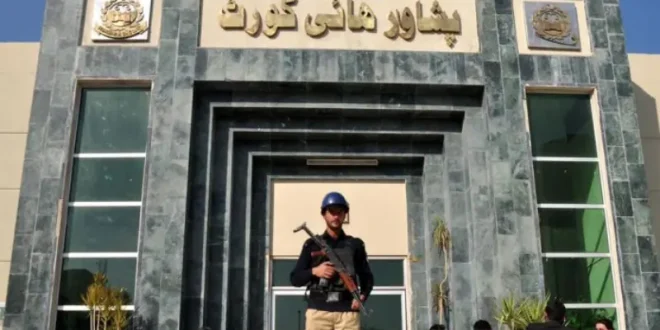
Peshawar High Court Affirms ATC Jurisdiction Over Kidnapping for Ransom: A Landmark Decision for Pakistan’s Legal Landscape
In a significant ruling, the Peshawar High Court (PHC) has clarified and reinforced the jurisdictional ambit of Anti-Terrorism Courts (ATCs), declaring that ‘kidnapping for ransom’ falls squarely within their purview. This decision, emerging from the high-profile Dr. Warda Mushtaq murder case, provides crucial clarity on the trial of heinous crimes in Pakistan, irrespective of whether they strictly meet the definition of terrorism.
What Happened: Upholding ATC Authority in a Sensational Case
The PHC bench, comprising Justice Mudassir Ameer and Justice Aurangzeb, unequivocally rejected pleas from four accused in the Dr. Warda Mushtaq murder case, who sought to remove Section 7 of the Anti-Terrorism Act (ATA), 1997, from the First Information Report (FIR) and transfer their trial to an ordinary criminal court. This ruling upheld an earlier decision by the ATC Hazara region from April 13, 2026, which had similarly dismissed the accused’s application for transfer.
The central question before the court was whether the ATC possessed lawful jurisdiction to try petitioners for the offense under Section 365-A of the Pakistan Penal Code (PPC) – kidnapping for ransom – even if the ingredients of ‘terrorism’ under Section 6 of the ATA were not directly attracted. The bench’s comprehensive 16-page judgment affirmed that the ATC indeed holds this jurisdiction.
The case itself revolves around the tragic death of Dr. Warda Mushtaq. She was allegedly taken from a hospital on December 4, 2025, by her friend, Ms. Rida Waheed Jadoon (a central accused), under the guise of returning 67 tolas of gold jewelry. Dr. Warda’s body was tragically discovered four days later in the Leli Banuta forest. The FIR, initially filed on December 5, 2025, included various PPC provisions and Section 7 of the ATA. After confirmation of her death, Section 302 (intentional murder) PPC was added, alongside Section 365-A PPC for kidnapping for ransom.
Background: The Role of ATCs and Pakistan’s Legal Framework
To understand the significance of this ruling, it’s essential to contextualize the Anti-Terrorism Act, 1997, and the role of ATCs. Established in response to a surge in terrorism, sectarian violence, and other serious crimes, ATCs were designed to provide a framework for the speedy trial of heinous offenses. The Act’s preamble explicitly states its purpose extends beyond just preventing terrorism to ensuring swift justice for grave offenses that threaten public safety.
A key aspect of the ATA is the distinction between offenses that strictly meet the definition of “terrorism” under Section 6 – requiring specific intent to create terror, sectarian hatred, or destabilize the state – and “scheduled offenses.” The Third Schedule appended to the ATA lists various crimes, including kidnapping for ransom (Entry No. 4), that are deemed serious enough to warrant trial by an ATC, regardless of whether they meet the full criteria of Section 6 terrorism.
For decades, Pakistan has grappled with law and order challenges, from insurgencies to rampant street crime and organized criminal activities. The creation of ATCs was a legislative response to provide a specialized, expedited judicial mechanism for crimes that have a profound impact on societal stability and public perception of justice.
Why This Ruling Matters: Jurisdictional Clarity and Speedy Justice
The PHC’s decision holds multi-faceted importance for Pakistan’s legal and judicial system:
- Resolving Jurisdictional Ambiguity: The ruling definitively clarifies that an offense like kidnapping for ransom (Section 365-A PPC) is triable by an ATC solely based on its inclusion in the ATA’s Third Schedule. This removes any lingering doubt about whether the motive (personal gain vs. terroristic intent) dictates the court’s jurisdiction for such specific scheduled offenses.
- Upholding Legislative Intent: The court emphasized that the Legislature consciously placed Section 365-A PPC under ATC jurisdiction due to its grave nature and impact on public safety. The ruling thus affirms the legislative wisdom behind the ATA’s structure.
- Pathway to Speedy Justice: A core objective of the ATA is the swift trial of heinous offenses. By ensuring that kidnapping for ransom cases are tried by ATCs, known for their expedited procedures, the ruling promotes the principle of timely justice, potentially reducing delays often associated with ordinary courts.
- Enhanced Deterrence: The perception that serious crimes like kidnapping for ransom will be tried in specialized, fast-track courts can serve as a stronger deterrent against perpetrators. This sends a clear message that such offenses will be dealt with robustly.
- Setting a Legal Precedent: This detailed judgment will serve as a crucial reference point for lower courts across the country when grappling with similar jurisdictional questions regarding scheduled offenses.
Impact on Pakistan: Strengthening the Fight Against Heinous Crimes
The implications of this PHC ruling for Pakistan are substantial. Firstly, it strengthens the legal framework for combating organized crime and heinous offenses, even those not directly driven by ideological terrorism. Kidnapping for ransom, irrespective of motive, is a crime that strikes at the heart of public safety and human liberty. Channeling such cases through ATCs reinforces the state’s commitment to addressing them with the seriousness they deserve.
Secondly, it could lead to increased efficiency in the judicial system. By clearly defining the ATC’s jurisdiction, it can prevent time-consuming procedural wrangling over forum selection, allowing trials to proceed more smoothly. This streamlining is crucial in a country where judicial backlogs are a persistent challenge.
Finally, the ruling can bolster public confidence in the justice system. When high-profile and egregious crimes are seen to be tried effectively and without undue delay, it reinforces the belief that the law will hold perpetrators accountable, thereby contributing to overall law and order and societal stability. While potentially increasing the workload on ATCs, the benefit of clearer jurisdiction and faster trials for these specific offenses is paramount.
Analysis: Balancing Act and Judicial Interpretation
The PHC’s judgment is a nuanced yet firm interpretation of the ATA. It masterfully navigates the fine line between the strict definition of ‘terrorism’ under Section 6 and the broader category of ‘scheduled offenses’. The court acknowledged that an ordinary case of kidnapping for ransom, committed for personal motive or monetary gain, might not meet the “requisite design or purpose” of Section 6. However, it firmly asserted that such an offense nonetheless remains triable by an ATC by virtue of its inclusion in the Third Schedule.
Crucially, the judgment clarifies that while the ATC has jurisdiction, it might ultimately convict an accused under Section 365-A PPC “simpliciter” – meaning solely for the kidnapping for ransom – and not necessarily under Section 7 of the ATA, unless the prosecution independently proves the specific ingredients constituting an act of terrorism. This distinction is vital, as it prevents an automatic branding of every scheduled offense as “terrorism” while still ensuring the case is heard in an expedited, specialized court due to its severity.
This judicial interpretation highlights the judiciary’s role in faithfully implementing legislative intent while safeguarding due process. It underscores that the ATA serves a dual purpose: combating terrorism and ensuring speedy trials for a class of particularly heinous crimes. The Dr. Warda Mushtaq case, through this ruling, has not only moved a step closer to justice but has also contributed significantly to the evolving jurisprudence surrounding Pakistan’s Anti-Terrorism Act, solidifying the ATC’s mandate for critical offenses that profoundly impact the nation’s sense of security.
“`