Dost Pakistan Journeys Tours and safaris in the North & South Pakistsn
Related Articles

“`html
Pakistan’s Fuel Price Balancing Act: Navigating Economic Stability Amidst Geopolitical Tensions
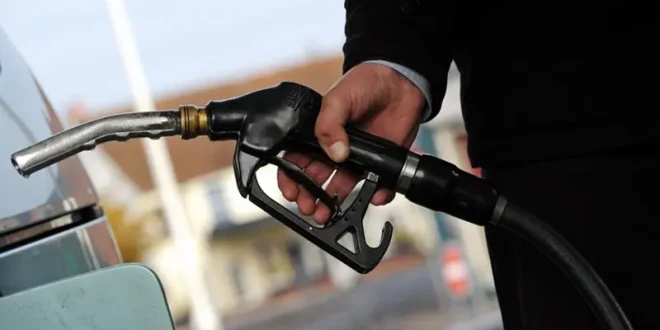
Pakistan’s latest adjustment in fuel prices—a marginal increase for petrol tempered by a more substantial reduction for high-speed diesel (HSD)—reflects the nation’s ongoing struggle to maintain economic equilibrium amidst a volatile global energy landscape. These decisions, effective from September 26 to September 28, 2026, are deeply intertwined with the geopolitical fallout from the US-Iran conflict and its ripple effects on international oil markets.
The Latest Fuel Price Revisions
As per the Petroleum Division’s notification, the government has announced the following changes to ex-depot fuel prices for the upcoming period:
- Petrol: The price of petrol has been increased by Rs2.02 per litre, bringing its new retail price to Rs391.30 per litre. This commodity is crucial for private transport, motorcycles, and smaller commercial vehicles, directly impacting the daily budget of a significant portion of the population.
- High-Speed Diesel (HSD): In contrast, the rate for high-speed diesel has seen a reduction of Rs3.59 per litre, setting the new price at Rs408.53 per litre. HSD is vital for heavy transport, agriculture, industrial operations, and power generation, making its price a significant factor in overall inflation and economic activity.
- Taxation Remains High: The government continues to levy substantial taxes and duties, with Rs114 per litre on petrol and Rs100 per litre on diesel, underscoring the critical role these fuels play in national revenue generation.
Background: A Year of Global Energy Upheaval
The current state of Pakistan’s fuel market is a direct consequence of escalating global geopolitical tensions. Specifically, the outbreak of the US-Iran war on February 28, 2026, triggered an unprecedented period of volatility in international oil prices. This conflict has posed significant threats to vital oil shipping lanes, most notably the Strait of Hormuz, a narrow waterway through which a substantial portion of the world’s crude oil passes daily.
- Pre-Crisis Stability: Prior to the conflict, Pakistan enjoyed relatively stable fuel prices, with petrol at Rs266.17 per litre and HSD at Rs280.86 per litre.
- The Strait of Hormuz Crisis: The immediate aftermath of the war saw a dramatic surge in prices. By April 3, 2026, barely a month into the hostilities, petrol soared to an all-time high of Rs458.41 per litre, while HSD peaked at an staggering Rs520.35 per litre. This period marked the apex of the energy crisis, with fears of severe supply disruptions driving prices to record levels.
- Shift to Daily Pricing: Recognizing the extreme and continuous fluctuations in global oil markets, the government, through Petroleum Minister Ali Pervaiz Malik, announced on July 17, 2026, a critical policy shift. Fuel prices would henceforth be determined and adjusted on a daily basis by the Oil and Gas Regulatory Authority (OGRA), moving away from the previous weekly revision system. This mechanism aims to ensure prices reflect real-time international market trends more accurately.
Domestic Impact and Government Response
The persistent volatility in fuel prices carries significant consequences for Pakistan’s economy and its citizenry. The government has responded with a multi-pronged approach involving conservation efforts, relief measures, and strategic price management.
Economic Strain and Public Burden
- Inflationary Pressures: Higher fuel costs invariably lead to increased transportation expenses, driving up the prices of essential goods and services. This fuels inflationary cycles, eroding the purchasing power of households across all income brackets.
- Disproportionate Impact:
- Petrol: Directly affects the daily commute and livelihood of the middle and lower-middle classes, who rely on private vehicles, motorcycles, and rickshaws for mobility.
- Diesel (HSD): Impacts the broader economy. It is the lifeblood of the logistics sector, agriculture (for farm machinery and irrigation), and backup power generation. Fluctuations in HSD prices directly influence the cost of food, manufactured goods, and public transport fares.
- Fiscal Challenges: While fuel taxes are a crucial revenue source, excessively high prices can also suppress demand, potentially impacting government tax collection targets and exacerbating fiscal deficits.
Government Measures and Mitigation Strategies
In an effort to mitigate the adverse effects of rising fuel costs and conserve precious foreign exchange, the Pakistani government has reintroduced and implemented several key initiatives:
- Reintroduced Austerity Measures: To curb overall fuel consumption, the government has mandated early market closures (by 9 pm) nationwide. Furthermore, fuel allocations for official government vehicles have been significantly cut by 50% for a period of three months. These measures aim to foster a culture of conservation and reduce import bills.
- Targeted Relief Schemes: Recognizing the severe burden on vulnerable segments, Prime Minister Shehbaz Sharif announced a “relief scheme” on September 13, 2026. This initiative targets users of motorcycles, auto-rickshaws, and smaller vehicles (up to 800cc), aiming to provide financial relief or subsidies to cushion the impact of higher prices on their daily lives and livelihoods.
- Subsidized Fuel Initiatives: Earlier in April, the federal government had already introduced targeted relief measures to provide subsidized fuel to specific groups, demonstrating a continuous commitment to protect the most affected segments of society from the global energy shock.
Analysis: Pakistan’s Tightrope Walk
Pakistan’s current fuel pricing strategy represents a complex balancing act, navigating the treacherous waters of global energy markets and domestic economic realities. The recent adjustments offer several insights:
- Strategic Price Differentiation: The decision to raise petrol prices slightly while significantly reducing diesel prices suggests a deliberate strategy. Lowering HSD costs can provide broader economic relief by reducing the cost of transportation, agriculture, and industrial production, thereby potentially easing inflationary pressures across the board. The petrol hike, though impacting individual commuters, might be deemed necessary to align with global market trends or to sustain crucial government revenues, given its often more elastic demand compared to HSD.
- The Dual-Edged Sword of Daily Pricing: While the daily pricing mechanism, managed by OGRA, offers transparency and immediate responsiveness to international market dynamics, it also introduces significant unpredictability for consumers and businesses. This constant fluctuation makes long-term budgeting challenging and can foster public anxiety, even if it theoretically prevents larger, sudden price shocks. It underscores Pakistan’s acute vulnerability as an oil-importing nation.
- Geopolitical Sensitivity: The ongoing crisis starkly highlights Pakistan’s direct exposure to geopolitical conflicts, especially those impacting critical global supply chains like the Strait of Hormuz. The US-Iran conflict has not only driven up the base cost of crude but has also infused the market with sustained uncertainty, complicating economic forecasts and policy decisions.
- Sustainability of Austerity and Subsidies: The reintroduction of austerity measures is a visible demonstration of the government’s commitment to managing demand. However, the long-term effectiveness of such measures, alongside targeted subsidies, hinges on public compliance and fiscal sustainability. While subsidies offer immediate relief, they often come with a significant cost to the national exchequer and can, if not carefully designed, distort market signals.
- Outlook and Future Resilience: With global oil markets likely to remain sensitive to international political developments, Pakistan’s energy outlook remains precarious. The challenge for policymakers will be to continue balancing affordability for consumers, revenue generation for the government, and competitiveness for industries. Long-term resilience will necessitate diversification of energy sources, aggressive promotion of energy efficiency, and strategic investment in domestic energy infrastructure.
Disclaimer: This analysis is based on the provided news summary and chart data up to September 28, 2026, and offers an interpretation of the economic and geopolitical factors at play.
“`