Dost Pakistan Journeys Tours and safaris in the North & South Pakistsn
Related Articles
“`html
PTI Protest Postponement: The Staggering Cost of Islamabad’s Security Measures
In a recent development that underscores the high stakes of Pakistan’s volatile political landscape, the Pakistan Tehreek-i-Insaf (PTI) party announced a week-long postponement of its planned countrywide protest and “long march” towards Islamabad. While seemingly a tactical delay, this decision has inadvertently exposed the immense financial burden placed on the national exchequer by the government’s extensive security preparations. Initial estimates of nearly Rs 820 million for one week of security are now set to double, pushing the total cost well over a billion rupees, all for a protest that has yet to even begin.
The News: A Billion-Rupee Delay
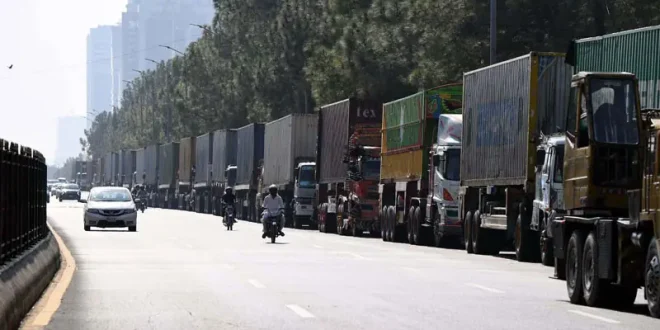
The core of the issue revolves around the capital police’s comprehensive security arrangements, initiated in anticipation of PTI’s original September 27th protest. These measures included the procurement of 1,550 shipping containers, rented at a daily rate of Rs 30,000 each, accumulating to a staggering Rs 46.5 million per day. Alongside this, thousands of police personnel from Sindh and Punjab were summoned, requiring significant expenditure on their accommodation, meals, and transportation. Hotel rooms were booked for senior officers, and a fleet of vehicles was arranged to ferry the forces.
With the protest now rescheduled for October 4th, the government faces a critical dilemma: release the deployed assets and risk having to remobilize them, or retain them at an astronomical cost. The postponement means that expenses for container rentals, officer accommodation, and food provisions for the deployed Sindh Police contingent (and the awaited Punjab Police) will effectively run for two weeks instead of one. This delay alone is projected to inflate the security bill for the federal government beyond Rs 1 billion, a sum that many argue Pakistan can ill-afford in its current economic climate.
Adding to the complexity, the All Pakistan Goods Alliance has reported the seizure of approximately 2,700 commercial vehicles, along with their crews, to serve as blockades. Many of these vehicles were carrying essential goods, including medicines and food items, causing widespread disruption and financial losses for the transport sector.
Background: A Cycle of Confrontation and Containment
To understand the magnitude of these costs, it’s essential to contextualize the prevailing political environment in Pakistan. Since the ouster of PTI chairman and former Prime Minister Imran Khan through a no-confidence vote in April 2022, the country has been gripped by intense political instability. Khan and his party have consistently demanded early general elections, alleging a foreign conspiracy and subsequent manipulation to remove him from power—claims denied by the incumbent government.
This demand has manifested in a series of countrywide protests and “long marches” towards Islamabad, aimed at pressuring the government. Previous PTI marches, such as the “Azadi March” in May 2022, were met with similar, albeit perhaps less costly, strategies of blockading roads with containers, deploying riot police, and even using tear gas. This approach has become a hallmark of how successive governments attempt to control political dissent in the capital, often leading to clashes and widespread public inconvenience.
Such elaborate security measures are typically justified by the government as necessary to maintain law and order, prevent damage to public and private property, and ensure the safety of citizens. However, critics often argue that these tactics suppress democratic rights to peaceful assembly and disproportionately impact the common populace and the national economy.
Against this backdrop, Pakistan is grappling with a severe economic crisis characterized by record inflation, a depreciating currency, and a heavy reliance on International Monetary Fund (IMF) bailouts. Every rupee spent on political maneuvering represents a missed opportunity for investment in vital sectors like healthcare, education, or infrastructure, which are crucial for long-term national development.
Impact on Pakistan: A Multi-Faceted Burden
Financial Burden
- Direct Drain on Exchequer: The most immediate impact is the direct expenditure of over Rs 1 billion. This substantial amount is diverted from public funds that could otherwise address pressing social and economic needs.
- Opportunity Cost: This billion-plus rupee sum could have funded numerous development projects, improved public services, or provided much-needed relief to citizens struggling with inflation. It highlights a painful trade-off between political stability (or perceived stability) and national progress.
- Economic Disruption: The seizure of thousands of commercial vehicles, including those carrying perishable goods and critical supplies like medicines, creates significant supply chain disruptions. Businesses face delays, losses due to spoiled goods, and increased operational costs, contributing to inflationary pressures and hindering economic activity. The unquantified losses due to lost business for the transport sector and affected industries will far exceed the direct government spending.
- Impact on Logistics Sector: The All Pakistan Goods Alliance’s report of missing vehicles and detained crews underscores the severe financial and operational stress on the logistics industry, a crucial backbone of the economy.
Social and Human Costs
- Public Inconvenience: Blocked roads, extensive security checks, and the general atmosphere of apprehension significantly disrupt daily life for Islamabad’s residents and commuters. Businesses suffer, and essential services can be hampered.
- Erosion of Trust: The public often views such extravagant spending on security, especially when basic services are lacking, as a misuse of taxpayer money. This can further erode trust in government institutions and exacerbate feelings of disillusionment.
- Human Rights Concerns: The detention of truck drivers and crews without formal arrest, along with the confiscation of their mobile phones and documents, raises serious questions about due process and human rights. Their prolonged detention simply to operate heavy machinery upon demand is a concerning precedent.
Political Ramifications
- Heightened Polarization: Such heavy-handed security measures tend to deepen the divide between the government and the opposition, fueling narratives of oppression and further entrenching political polarization.
- Cycle of Escalation: The government’s robust response to protests often leads to an escalation of demands and tactics from the opposition, creating a difficult-to-break cycle of confrontation and state-sponsored containment.
- Democratic Space: The extensive use of state machinery to prevent political gatherings, even when non-violent, can be seen as shrinking the democratic space for dissent and peaceful protest.
Analysis: The High Price of Political Brinkmanship
The PTI’s protest postponement, while seemingly a minor scheduling change, has inadvertently shone a harsh spotlight on the exorbitant financial and social costs of political instability in Pakistan. The reported Rs 1 billion-plus expenditure is not merely a number; it represents a tangible drain on an already struggling economy, a diversion of resources from vital public services, and a testament to the deeply entrenched cycle of political confrontation.
From a strategic standpoint, the government’s decision to maintain its full security posture, even after the protest’s delay, reflects a cautious, if costly, approach. Releasing the containers and personnel only to recall them a week later could be logistically challenging and equally expensive. However, this highlights a potential miscalculation in the initial deployment or an unwillingness to adapt quickly to evolving circumstances, indicating a reactive rather than proactive governance strategy in managing political dissent.
The “container culture” – the widespread use of shipping containers as physical barriers against protesters – has become an unfortunate symbol of political tension in Pakistan. While intended for crowd control and security, it frequently paralyzes economic activity, disrupts daily life, and draws criticism for being an archaic and costly method of governance. The detention of thousands of vehicle crews, a tacit admission of their specialized skills being critical for rapid deployment, further complicates the ethical and legal dimensions of these security operations.
Ultimately, this situation underscores the urgent need for political dialogue, de-escalation, and a commitment from all political stakeholders to find common ground. The continuous cycle of protests and expensive security deployments is unsustainable for a nation facing severe economic hardship. Until a political consensus is reached on fundamental issues like the electoral process and democratic transition, the Pakistani public and its economy will continue to bear the brunt of political brinkmanship, one billion rupees at a time.
Disclaimer: This analysis is based on the provided news summary and general knowledge of Pakistan’s political and economic context. Figures cited are as per the news article.
“`