Dost Pakistan Journeys Tours and safaris in the North & South Pakistsn
Related Articles
“`html
Pakistan’s Fuel Relief Scheme: A Digital Leap Towards Targeted Welfare
The News
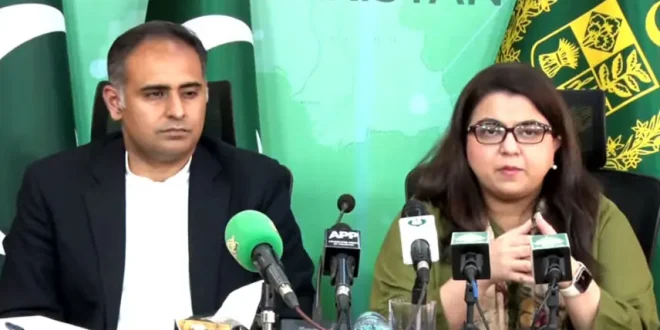
Federal Minister for Information Technology and Telecommunication, Shaza Fatima Khawaja, recently announced significant progress in the Prime Minister’s Fuel Relief Scheme. Addressing a news conference, she highlighted that approximately 5.91 million citizens have successfully registered for the initiative since its inception. Furthermore, the scheme has generated over 6.18 million fuel relief tokens, with 4.79 million already redeemed, indicating substantial public engagement and utilization.
The government demonstrated responsiveness to public feedback by removing the prior five-litre limit for motorcycles, rickshaws, and Qingqi vehicles. Additionally, the ownership requirement has been waived for users of rented motorcycles and rickshaws, broadening the scheme’s accessibility. The initiative is specifically designed to support eligible two- and three-wheelers, including motorcycles, Qingqis, and rickshaws, alongside cars up to 800cc. Emphasizing transparency and efficiency, Minister Khawaja showcased a live dashboard monitoring registrations, token generation, and redemption rates across provinces, with a dedicated 24/7 control room ensuring smooth implementation and issue resolution.
Background: Navigating Economic Headwinds
Pakistan’s economy has frequently grappled with the dual challenges of global commodity price volatility and persistent domestic inflation. The recent surge in international oil prices, exacerbated by regional tensions in the Middle East, has placed immense pressure on household budgets and the operational costs of small businesses. For a nation where motorcycles and rickshaws serve as primary modes of transport for millions of daily commuters and small-scale entrepreneurs, rising fuel costs translate directly into increased living expenses and diminished economic activity.
In this context, the Prime Minister’s Fuel Relief Scheme emerges as a crucial intervention. Historically, fuel subsidies in Pakistan have often been untargeted, leading to significant fiscal drain and disproportionately benefiting wealthier segments of society. The current administration’s initiative marks a strategic pivot towards a more focused approach, aiming to provide direct financial relief to the most vulnerable segments of society. This scheme is part of broader government efforts to mitigate the impact of inflation in Pakistan, stabilize the economy, and protect citizens from external economic shocks, demonstrating a commitment to social welfare amidst ongoing economic reforms.
Impact on Pakistan: Alleviating Daily Burdens
The successful rollout of the fuel relief scheme promises multifaceted benefits for Pakistan. Firstly, and most directly, it offers tangible inflation relief in Pakistan for millions of low and middle-income individuals. The savings on fuel costs, however modest individually, aggregate to significant economic breathing room for families, allowing them to allocate resources to other essential needs like food and education. This direct support helps buffer the impact of high fuel prices, which are a major component of daily expenses for many.
Secondly, the scheme bolsters the informal economy. Rickshaw drivers, Qingqi operators, and delivery riders – segments vital to urban transport and logistics – often operate on thin margins. Reduced fuel expenditure can significantly improve their daily earnings, indirectly supporting local commerce and preventing potential fare hikes that would burden passengers. This targeted Pakistan fuel relief scheme contributes to social equity by ensuring that essential mobility remains affordable for those who depend on it for their livelihood and daily commutes. The high redemption rates, particularly in populous provinces like Punjab and Sindh, underscore the widespread need and effective outreach of the program.
Lastly, the scheme showcases the government’s enhanced administrative capabilities, particularly in leveraging technology for large-scale social welfare programs. The transparent, technology-enabled mechanism, coupled with responsive policy adjustments like removing the ownership requirement for rented vehicles, builds public trust and sets a precedent for future targeted interventions in other sectors.
Analysis: A Step Towards Digital, Targeted Welfare
The Prime Minister’s Fuel Relief Scheme represents a significant evolution in Pakistan’s approach to social welfare and economic management. By moving away from untargeted subsidies, which often suffered from leakage and inefficiency, the government has adopted a more fiscally responsible and impactful model. The focus on specific vehicle categories (two- and three-wheelers, and small cars) ensures that the relief directly reaches the segments most vulnerable to fuel price hikes.
A standout feature of this initiative is its robust integration of technology. The use of a digital token system, a live dashboard for monitoring, and a 24/7 control room at the IT and Telecommunication Ministry are pivotal. This digital infrastructure not only enhances transparency and accountability – key challenges in past welfare programs – but also streamlines the process of registration and redemption. Such a tech-driven approach minimizes bureaucratic hurdles and reduces opportunities for corruption, ensuring that the relief reaches the intended beneficiaries efficiently. Minister Shaza Fatima Khawaja’s emphasis on continuous monitoring and ground-level feedback further highlights a proactive, adaptive policy implementation.
While the initial figures and positive adjustments are encouraging, the long-term sustainability and comprehensive coverage of the scheme will require continuous evaluation. Ensuring that deserving individuals, especially those in remote areas or with older vehicles, are not inadvertently excluded, remains a challenge. The government’s commitment to awareness campaigns and collaboration with petrol pump dealers is crucial in overcoming these hurdles.
Ultimately, this initiative is more than just a fuel subsidy; it’s a testament to the potential of digital transformation in delivering digital social welfare in Pakistan. It demonstrates a pragmatic understanding of the economic realities faced by ordinary citizens and a willingness to employ modern tools for effective governance. As Pakistan continues to navigate its economic landscape, such targeted and technologically advanced relief measures will be vital in fostering resilience and promoting inclusive growth, ensuring that economic progress translates into tangible benefits for every citizen.
“`