 Dost Pakistan Journeys Tours and safaris in the North & South Pakistsn
Related Articles



“`html
Pakistan’s Digital Guardian: NCRC Urges State to Shield Children from Online Harm
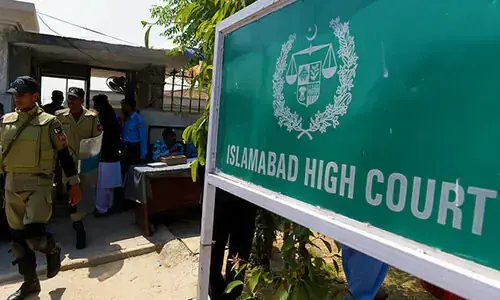
The digital age, while brimming with opportunities, also presents a complex web of risks, particularly for its youngest users. In a landmark move reflecting growing global concerns, the National Commission on the Rights of Child (NCRC) has unequivocally asserted before the Islamabad High Court (IHC) that the paramount responsibility for safeguarding children from online grooming, exploitation, and harmful content rests squarely with the state. This declaration, delivered within a 17-page submission concerning social media usage by minors under 16, signals a critical juncture for Pakistan’s approach to online child safety.
The News: A Call for Comprehensive Reform
The NCRC’s detailed response to the IHC petition didn’t merely acknowledge the perils; it proposed a sweeping agenda for legal and institutional overhauls designed to fortify children’s digital protection. Central to their recommendations are several key pillars:
- Enhanced Capacity for Cybercrime Combat: A crucial call to bolster the National Cyber Crime Investigation Agency (NCCIA)’s capabilities, specifically advocating for specialized units dedicated to probing online child sexual exploitation (OCSE).
- Legislative Review and Amendment: Urging a thorough review and amendment of the Prevention of Electronic Crimes Act (PECA) through the lens of child rights, acknowledging the need to adapt existing laws to modern digital threats.
- Age Verification Integration: Proposing the integration of robust age verification mechanisms within the regulatory framework of the proposed Digital Nation Pakistan Act, aiming to create a proactive protective barrier.
- Digital Platform Accountability: Emphasizing the imperative to hold digital platforms accountable for child safety, demanding effective action against child sexual abuse material (CSAM) and online grooming, including immediate content removal.
- Limiting Unnecessary Contact: A recommendation to curb unsolicited online interactions between children and unknown adults, recognizing the potential for grooming inherent in such contacts.
The Commission stressed that effective online child safety demands “effective legal and institutional measures rather than mere policy,” advocating for a nuanced balance between children’s digital rights and their protection.
Background: The Global Digital Predicament
The NCRC’s stance echoes a growing international chorus addressing the escalating risks children face in an increasingly interconnected world. With smartphones and internet access becoming ubiquitous, even among very young children, their exposure to both the benefits and dangers of the digital realm has soared. The unsupervised nature of much of this interaction makes children particularly vulnerable to:
- Online Grooming: Where predators build relationships with children online, often deceptively, with the intention of exploitation.
- Child Sexual Exploitation Material (CSEM/CSAM): The creation, distribution, and consumption of material depicting the sexual abuse of children, a heinous crime facilitated by digital platforms.
- Cyberbullying and Harassment: The use of digital technologies to bully, harass, or intimidate, leading to severe psychological distress.
- Exposure to Inappropriate Content: Unintentional or intentional encounters with violent, pornographic, or otherwise harmful content.
International conventions, such as the UN Convention on the Rights of the Child (CRC), to which Pakistan is a signatory, unequivocally place a primary obligation on signatory states to protect children from all forms of exploitation and abuse. This foundational principle underpins the NCRC’s assertion, transforming the issue from a moral concern into a legal and governmental imperative.
The rapid evolution of technology often outpaces regulatory frameworks, leaving legislative bodies scrambling to catch up. This lag, combined with varying levels of digital literacy among parents and educators, creates a fertile ground for online harm to proliferate globally, and critically, within Pakistan’s nascent digital landscape.
Impact on Pakistan: Navigating the Digital Frontier
Pakistan is undergoing a rapid digital transformation, with increasing internet penetration and smartphone adoption across its diverse population. While this offers unprecedented opportunities for education, economic growth, and social connection, it simultaneously amplifies the challenges of child online safety. The NCRC’s recommendations are particularly pertinent for Pakistan due to several factors:
- Rapid Digitalization vs. Regulatory Lag: Pakistan’s digital growth has been swift, but the supporting legal and institutional frameworks for online child protection have struggled to keep pace.
- Capacity Gaps: Enforcement agencies like the NCCIA, while active, face significant challenges in terms of resources, specialized training, and technological expertise required to effectively combat sophisticated cybercrimes targeting children.
- Socio-Cultural Sensitivities: Discussions around child abuse, including online exploitation, are often taboo in many Pakistani communities, leading to underreporting, victim blaming, and a lack of open dialogue essential for prevention and recovery.
- Effectiveness of PECA: While PECA aims to address cybercrimes, its current structure may not adequately or specifically address the nuances of online child protection, necessitating a child rights-focused review.
- The Promise of Digital Nation Pakistan Act: The proposed Digital Nation Pakistan Act presents a unique opportunity to embed child safety at the very core of national digital policy, rather than treating it as an afterthought.
Failure to address these issues effectively carries severe social and psychological consequences for child victims and their families, potentially leading to long-term trauma, mental health issues, and societal breakdown of trust. Furthermore, an ineffective stance on online child protection can damage Pakistan’s international standing, impacting foreign investment and collaborations in the digital sphere.
Analysis: A Roadmap to Digital Safeguarding
The NCRC’s intervention is a powerful and necessary step towards creating a safer online environment for Pakistani children. Its recommendations are notable for their holistic nature, addressing legislative, institutional, and platform-level responsibilities. By explicitly placing the onus on the state, the NCRC elevates online child safety from a social issue to a critical governance priority.
Strengths of the NCRC’s Recommendations:
- Comprehensive Strategy: The proposals cover a wide spectrum, from proactive measures like age verification to reactive enforcement against exploitation and content removal, signifying a well-thought-out approach.
- Emphasis on Accountability: Shifting responsibility to digital platforms is crucial. Major tech companies must be compelled to implement safety-by-design principles, not just react to incidents.
- Institutional Strengthening: Recognizing the need for specialized units within NCCIA is vital, as online child exploitation requires specific investigative techniques and psychological understanding.
- Legal Adaptation: The call to review PECA through a child rights lens acknowledges that laws must evolve with technology and prioritize the most vulnerable.
Challenges and Considerations for Implementation:
While commendable, the path to implementation presents significant challenges:
- Technical Feasibility of Age Verification: Implementing a nationwide, robust, and privacy-compliant age verification system within the Digital Nation Pakistan Act is a complex technical and logistical undertaking, with potential for circumvention or exclusion.
- Resource Allocation: Boosting NCCIA’s capacity demands substantial financial investment in technology, training, and human resources – a commitment that needs sustained political will.
- Global Platform Cooperation: Securing the full cooperation of international tech giants in content removal and data sharing for investigations remains a global hurdle, often requiring diplomatic efforts and strong domestic regulatory muscle.
- Balancing Rights and Protection: Striking the right balance between protecting children and upholding their digital rights (e.g., access to information, freedom of expression) is delicate. Over-regulation could unintentionally stifle healthy digital engagement or access to educational resources.
- Public Awareness and Digital Literacy: Laws alone are insufficient. Extensive public awareness campaigns are needed to educate children, parents, and educators about online risks, safe practices, and reporting mechanisms.
- Evolving Threat Landscape: The digital world is constantly changing, with new platforms and threats emerging regularly. Regulations and enforcement mechanisms must be agile and adaptable to remain effective.
The NCRC’s proactive engagement with the Islamabad High Court is a powerful statement. It transforms the conversation around online child safety in Pakistan, moving it from abstract concern to concrete legal and institutional action. The success of these recommendations will ultimately depend on the collective resolve of the government, judiciary, civil society, technology companies, and parents to collaborate, commit resources, and continually adapt to the dynamic digital landscape. This is not merely about protecting children online; it is about building a digitally responsible nation where the youngest citizens can thrive safely.
Published in Dawn, October 4th, 2026 (original news date)
“`
