Dost Pakistan Journeys Tours and safaris in the North & South Pakistsn
Related Articles


China’s Diplomatic Surge: A New Dawn for Middle East Dialogue Amidst Rising Tensions
Beijing steps up as a key mediator, urging de-escalation and dialogue between Iran, Saudi Arabia, and Oman, signaling a shift in global diplomatic dynamics.
The News: Beijing’s Bold Diplomatic Offensive
In a significant push for regional stability, China has recently intensified its diplomatic efforts to address the escalating crisis in the Middle East. Beijing hosted high-level delegations from Iran, Saudi Arabia, and Oman for successive meetings, emphasizing a return to dialogue and de-escalation. Foreign Minister Wang Yi engaged with Ali Bagheri Kani, Iran’s Deputy Secretary of the Supreme National Security Council, and later with Saudi National Security Adviser Musaad bin Mohammad al-Aiban, advocating for a political resolution and safeguarding crucial energy security and shipping lanes.
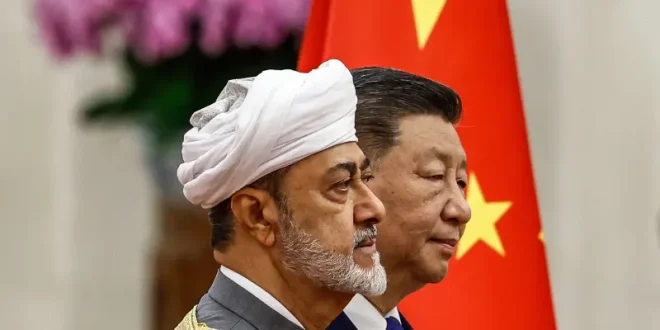
These crucial discussions unfold against a backdrop of heightened tensions, particularly following recent assertive rhetoric from the United States regarding the ongoing conflict involving Iran. China, a vital economic partner to Tehran, reiterated its support for Iran’s sovereignty and security, while simultaneously urging all parties towards “reason and pragmatism” to avert further armed conflict. The visit of Oman’s Sultan Haitham bin Tariq to Beijing, marking the first such state visit, further underscored China’s expanding engagement, with President Xi Jinping articulating a vision for the Middle East free from “major-country rivalry.” Looking ahead, Beijing plans to dispatch its Middle East envoy for a round of shuttle diplomacy across the region, aiming to foster peace talks and ease deep-seated tensions.
Background: A Region at the Crossroads of Global Power Play
The Middle East, a geopolitical linchpin due to its vast energy reserves and strategic trade routes, has long been a focal point of international power dynamics. The current tensions are largely rooted in the protracted rivalry between the United States and Iran, exacerbated by Washington’s withdrawal from the Joint Comprehensive Plan of Action (JCPOA), or the Iran nuclear deal, and subsequent imposition of stringent sanctions. This has led to a series of escalations, including attacks on shipping in the Persian Gulf and Red Sea, which have significantly disrupted global commerce and supply chains, impacting everything from oil prices to consumer goods.
Historically, the United States has played a dominant security role in the region. However, a perceived shift in its focus, coupled with China’s burgeoning economic influence through initiatives like the Belt and Road Initiative (BRI), has created a vacuum and opportunity for Beijing to assert a more pronounced diplomatic presence. China, as the world’s largest energy importer, has a profound vested interest in the stability of the Middle East, from which it sources a substantial portion of its oil and gas. Its previous success in brokering the normalization of ties between Iran and Saudi Arabia in 2023 demonstrated a growing capacity and willingness to act as a significant regional mediator, challenging the traditional diplomatic landscape.
Oman, with its long-standing reputation as a neutral arbiter in complex regional disputes, plays a crucial role in facilitating dialogue. Its inclusion in China’s diplomatic outreach underscores Beijing’s strategic understanding of regional nuances and its commitment to leveraging established pathways for de-escalation.
Impact on Pakistan: Navigating Regional Instability and Opportunities
For Pakistan, a nation geographically proximate to the Middle East and deeply intertwined with its economic and security landscape, the unfolding regional dynamics carry significant implications. Pakistan relies heavily on Middle Eastern countries for its energy needs, with disruptions in shipping lanes, such as those witnessed in the Red Sea, directly translating into increased import costs and inflationary pressures. The stability of these vital sea routes, critical for global trade, is paramount for Pakistan’s economic health and its ability to manage its current fiscal challenges.
Furthermore, Pakistan maintains robust diplomatic and cultural ties with both Saudi Arabia and Iran. Any escalation of conflict in the region places Pakistan in a precarious position, requiring a delicate diplomatic balancing act to preserve its relationships while advocating for peace. The potential for refugee flows, increased regional extremism, or spillover effects of a broader conflict would pose direct threats to Pakistan’s internal security and social fabric. From an economic perspective, the viability and security of the China-Pakistan Economic Corridor (CPEC), particularly the Gwadar Port, are inextricably linked to regional stability. A turbulent Middle East could jeopardize the potential for Gwadar to emerge as a major trade hub connecting Central Asia to global markets.
Conversely, China’s proactive diplomatic role, if successful in fostering de-escalation, could indirectly benefit Pakistan. A more stable Middle East would enhance the security of trade routes, facilitate energy imports, and create a more conducive environment for regional economic cooperation. Pakistan’s consistent call for dialogue and de-escalation aligns with China’s current diplomatic approach, offering potential avenues for collaborative efforts in promoting regional peace.
Analysis: China’s Strategic Play for a Multipolar Middle East
China’s intensified diplomatic engagement in the Middle East marks a pivotal moment, underscoring its evolving foreign policy and challenging the long-held notion of Western exclusivity in regional security matters. President Xi Jinping’s unequivocal statement against the Middle East becoming a “wrestling ground for major-country rivalry” is a direct assertion of China’s intent to reshape the geopolitical narrative, advocating for a multipolar world order where non-Western powers play significant mediation roles.
This diplomatic offensive is not merely altruistic; it is strategically driven by China’s core national interests. Protecting its vast energy supplies, securing its maritime trade routes crucial for global commerce, and safeguarding its extensive investments under the Belt and Road Initiative are paramount. The contrast between China’s emphasis on “dialogue and political solutions” and the more confrontational “war threats” emanating from Washington highlights differing diplomatic philosophies. Beijing seeks to position itself as a reliable, pragmatic mediator, distinct from powers perceived to contribute to regional instability through military posturing or unilateral sanctions.
While China’s recent diplomatic foray signals a strong intent, the path to lasting peace in the Middle East remains fraught with challenges. Deep-seated historical rivalries, complex proxy conflicts, and the continued influence of other global and regional actors present formidable obstacles. However, China’s unique position as a major economic partner to both Iran and Saudi Arabia, coupled with its growing global stature, provides it with leverage that few other nations possess. The inclusion of Oman, a historical regional mediator, in these high-level talks, further lends credibility to Beijing’s efforts.
Ultimately, China’s shuttle diplomacy, spearheaded by its Middle East envoy, represents a calculated and strategic move to de-escalate immediate tensions and foster long-term stability. While a complete resolution of the region’s complex issues may be an ambitious goal, China’s commitment to dialogue offers a crucial alternative to military confrontation and solidifies its role as an increasingly indispensable player in global geopolitics.