Dost Pakistan Journeys Tours and safaris in the North & South Pakistsn
Related Articles


“`html
Civilian Convicted of State Offences: Pakistan Govt Argues Fundamental Rights Not Applicable
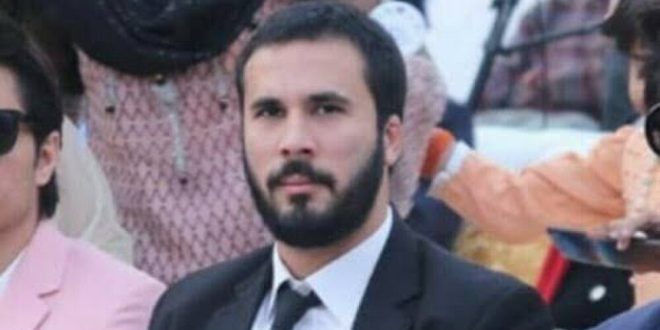
LAHORE – A significant legal and constitutional debate is unfolding in Pakistan, with the Punjab government asserting before the Lahore High Court (LHC) that individuals convicted of offences against the state forfeit their right to claim fundamental constitutional protections. This assertion comes in response to a petition filed by Barrister Hassaan Khan Niazi, nephew of former Prime Minister Imran Khan, challenging his handover to military authorities and subsequent trial linked to the widespread May 9, 2023, riots.
The News: Government’s Stance on State Offences and Rights
The Punjab government, through its Home Secretary and Inspector General of Police, presented a detailed report to the LHC arguing for the dismissal of Niazi’s petition. The core of their argument is that loyalty to the state is a paramount duty for every citizen, and a civilian convicted of offences against the state cannot invoke fundamental rights for protection.
Key points from the government’s submission include:
- Barrister Niazi is described as a convicted prisoner, making a second round of litigation for his release, other than through an appeal, impermissible.
- The government claimed no judicial order was required for Niazi’s handover to military authorities, asserting he was neither in judicial custody nor on remand at the time. Furthermore, he was deemed an absconder, unlike other co-accused whose transfers were sought while in jail.
- Referencing a Supreme Court ruling from May 7, 2025 (which may be a future date or a typo in the original source, likely referring to an earlier 2023/2024 judgment upholding such trials), the government stated that military trials for civilians were upheld, granting the right to appeal but specifically excluding the right to file constitutional petitions in the High Courts.
- It was highlighted that Niazi has already filed an appeal under Section 133-B of the Pakistan Army Act, 1952, rendering his current petition in the LHC non-maintainable due to the legal principle against challenging the same question of law in multiple forums simultaneously.
- The defence ministry’s separate reply further solidified these points, arguing that Niazi’s actions at Jinnah House (the Corps Commander’s residence) on May 9, 2023, by making videos and sarcastic remarks, “impacted the image of Pakistan and was prejudicial to the safety and interest of the state.”
- Niazi was convicted by a Field General Court Martial (FGCM) and sentenced to ten years’ rigorous imprisonment under the Official Secrets Act, 1923, read with the Army Act. The ministry stated that the petition is constitutionally barred under Articles 199(3) and 8(3), which exclude matters related to armed forces proceedings from high court purview.
- The defence ministry also pointed out that Niazi was provided counsel of his choice, made a judicial confession, and did not retract it during his trial. It also refuted claims of discrimination, explaining that his case, involving a prohibited military installation, necessitated a trial under military law, unlike ordinary disruption cases handled by anti-terrorism courts.
Both the provincial government and the defence ministry have urged the LHC to dismiss Niazi’s petition as premature, non-maintainable, and devoid of merit.
Background: The May 9 Riots and Military Trials
To understand the gravity of this legal battle, it’s essential to contextualize the events of May 9, 2023. Following the dramatic arrest of then-PTI Chairman Imran Khan, Pakistan experienced unprecedented nationwide protests. These demonstrations quickly escalated into widespread violence, targeting government buildings and, critically, military installations. The attacks on sensitive sites, most notably Jinnah House in Lahore – the residence of the Corps Commander – were condemned by military leadership as an assault on the state’s very fabric.
Barrister Hassaan Khan Niazi, known for his association with the PTI and as Imran Khan’s nephew, was implicated in these events. He was arrested in August 2023 and subsequently handed over to the military authorities under Section 76 of the Pakistan Army Act, 1952, read with Section 549(3) of the Code of Criminal Procedure, on the grounds that his alleged offences fell under the Official Secrets Act, 1923, and the Army Act, making them triable by court-martial. He was later sentenced to ten years’ imprisonment in December 2024.
The application of military laws to civilians, particularly in the aftermath of the May 9 riots, ignited a fierce debate about fundamental rights, due process, and the separation of powers. The Supreme Court of Pakistan has been actively involved, issuing various rulings that have both challenged and, in some instances, seemingly upheld the jurisdiction of military courts over civilians involved in such offences. The government’s current arguments before the LHC heavily lean on these Supreme Court pronouncements, particularly the one which restored sections of the Army Act pertinent to these trials.
Impact on Pakistan: Rule of Law, Rights, and Civil-Military Dynamics
This ongoing legal battle has profound implications for Pakistan’s legal framework, human rights landscape, and the delicate balance of power between civil and military institutions.
- Erosion of Fundamental Rights? The government’s assertion that “loyalty to the state” supersedes fundamental rights for convicted individuals raises serious concerns among human rights advocates. While the state has a legitimate interest in national security, the extent to which it can curtail constitutional protections, especially through military courts for civilians, remains a contentious issue.
- Precedent for Civilian Trials: The outcome of Niazi’s petition, and other similar cases related to the May 9 incidents, will set a significant precedent for how civilians accused of attacking state assets or sensitive installations are tried. It could solidify the military’s jurisdiction in such cases, potentially expanding its reach beyond traditionally military offenses.
- Judicial Independence and Scrutiny: The LHC and ultimately the Supreme Court are under immense pressure to navigate these complex cases. Their decisions will be scrutinized for their impact on judicial independence and their role in upholding constitutional guarantees against potential state overreach.
- Civil-Military Relations: The entire episode underscores the persistent tension in Pakistan’s civil-military relations. The military’s perceived assertive role in political and judicial matters, especially concerning events like May 9, continues to shape the country’s governance and democratic trajectory.
- Political Stability: With numerous figures associated with the PTI facing trials under military and anti-terrorism laws, these cases contribute to the broader political instability and polarization in Pakistan, hindering efforts towards national cohesion and democratic consolidation.
Analysis: The Tug-of-War Between State Security and Civilian Freedoms
The government’s legal strategy in the Hassaan Khan Niazi case is robust, meticulously constructed on precedent, statutory law, and constitutional articles that limit high court intervention in military proceedings. By emphasizing Niazi’s status as a “convicted prisoner” who has already availed an appeal within the military justice system, they aim to short-circuit the LHC’s jurisdiction. The argument that he was an “absconder” at the time of handover and that a judicial order was not required further strengthens their position regarding procedural correctness.
The reliance on the Supreme Court’s recent (May 7, 2025, if interpreted as a future affirmation or an earlier 2023/2024 ruling) decision upholding military trials for certain civilians, while restricting constitutional petitions, is a critical legal anchor for the state. This ruling, coupled with Articles 199(3) and 8(3) of the Constitution which generally bar high courts from interfering in armed forces matters, presents a formidable legal barrier for Niazi’s defence.
The defence ministry’s detailed account of Niazi’s actions at Jinnah House and the specific charges under the Official Secrets Act and Army Act are designed to underscore the gravity of his alleged offences, distinguishing them from ordinary public order disruptions. This differentiation is key to justifying the military trial and countering claims of discrimination.
However, the underlying tension in this entire episode remains the delicate balance between state security imperatives and the fundamental rights guaranteed to every citizen under the Constitution. While attacks on military installations are undeniably serious and deserve robust legal response, the process by which civilians are tried, and the avenues for their legal redress, are crucial to maintaining public trust in the justice system. The principle that “loyalty to the state” can nullify fundamental rights, if broadly applied, could have chilling effects on freedom of speech, assembly, and due process.
As the Lahore High Court deliberates, its decision will not only determine Hassaan Khan Niazi’s immediate future but will also profoundly shape the legal landscape concerning civilian accountability under military laws in Pakistan. It is a critical juncture that will either reinforce the expanding jurisdiction of military courts in matters of national security or reaffirm the constitutional supremacy of civilian judicial oversight for all citizens.
“`