 Dost Pakistan Journeys Tours and safaris in the North & South Pakistsn
Related Articles


“`html
Pakistan’s Rice Exports Surge: Outperforming Vietnam Amidst Global Turmoil
A deep dive into how Pakistan’s premium Basmati and diversified rice basket are navigating turbulent global markets to seize a leading position.
The Unprecedented Rise: Pakistan Outpaces Vietnam in Rice Exports
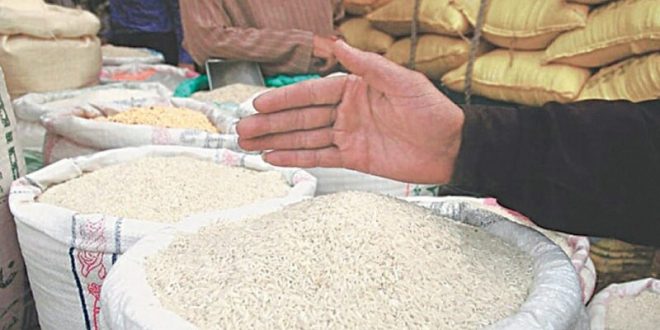
In a significant shift within the competitive global rice market, Pakistan has demonstrated remarkable prowess by outperforming Vietnam, a traditional powerhouse, in rice export volumes and value. Official figures for September 2026 confirm Pakistan shipped an impressive 420,000 tonnes of rice, comfortably exceeding Vietnam’s 337,000 tonnes. This achievement is not merely a quantitative win; Pakistan also secured a higher average unit price of $621 per tonne, compared to Vietnam’s $563 per tonne, underscoring strong international demand for its diversified export basket, particularly its high-value Basmati varieties.
This landmark performance comes amidst a backdrop of escalating geopolitical conflict and significant disruptions in global shipping routes, specifically impacting the Gulf region and the Black Sea. Despite surging ocean freight rates, skyrocketing marine insurance premiums, and various logistical bottlenecks, the global appetite for aromatic Basmati rice has remained robust, allowing Pakistan to absorb these shocks and maintain its trajectory towards securing the coveted third position in worldwide rice trade.
Navigating a Volatile Global Rice Landscape
The global rice market is a complex ecosystem, vital for food security across continents. India has long maintained a dominant position, while Southeast Asian nations like Thailand and Vietnam have been consistent major exporters, primarily of non-aromatic and varieties like ‘Hom Mali’. Pakistan, known globally for its exquisite Basmati rice, has consistently sought to expand its footprint.
The year 2025 proved turbulent for free-market rice exporters, including Pakistan, Thailand, and Vietnam, as adverse climatic conditions and market fluctuations led to substantial volume losses. However, the first half of 2026 introduced new, more formidable challenges. The outbreak of conflict in the Gulf region triggered a ripple effect across global supply chains. The US-Iran tensions and broader regional instability directly impacted vital sea routes, leading to an increase in operational costs for traders worldwide. Inland transport expenses, processing costs, shipment delays, and extended payment cycles created immense financial strain, causing a general decline of 20 to 30 percent in baseline non-aromatic rice exports from major free-market players.
Crucially, Pakistan’s rice sector operates on purely free-market principles. Unlike many state-supported regimes which might offer minimum support prices (MSP) for paddy, state-funded marine insurance, or freight subsidies, Pakistani private millers and exporters navigate a competitive environment, acquiring paddy at prevailing market rates. This structure, while exposing them to greater market volatility, also fosters a dynamic and responsive industry.
Pakistan’s Resilience: Strategic Growth Amidst Adversity
Despite the inherent challenges of a free-market system and the unprecedented global disruptions, Pakistan’s rice industry has not only shown resilience but has achieved significant growth. The sustained global demand for premium aromatic Basmati, a signature product from both Pakistan and India, proved to be a critical shock absorber. Buyers in key international markets prioritized securing this high-quality grain, even amidst the rising costs of transport and insurance, helping global Basmati trade hold firm at 6.9 million tonnes—matching 2025 levels.
This success is not accidental. The sector opened the 2026-27 financial year (July-September 2026) on a robust footing, underpinned by several strategic factors: substantial carry-over stocks from previous harvests, an impressive 18 to 20 percent expansion in rice plantation acreage, readily available urea fertilizer, accessible agricultural credit, and targeted institutional support from the banking sector. These concerted efforts translated into a remarkable 51 percent surge in total rice export volumes during the first quarter, generating a 37 percent increase in vital foreign exchange earnings for Pakistan, defying the ongoing disruptions in critical shipping lanes.
The strong performance, particularly the outstripping of Vietnam, builds on earlier signs of shifting market dynamics, with Pakistan first surpassing Vietnam’s monthly export volume in December 2025. This indicates a consistent upward trend and a strengthening competitive position in the global rice arena for Pakistan.
Analysis: A New Era for Pakistan in Global Rice Trade?
Pakistan’s recent success in the global rice market is more than just a momentary triumph; it signals a potential reordering of the traditional hierarchy of rice exporting nations. The ability to not only increase export volumes but also command a higher unit price than a seasoned competitor like Vietnam, especially during a period of intense global instability, highlights several critical strengths.
Firstly, the inherent value of Basmati rice has proven to be a strategic asset. In times of uncertainty, consumers often gravitate towards quality and established brands. The premium status of Pakistani Basmati provides a crucial buffer against market volatility and price pressures affecting non-aromatic varieties. This premium segment helps sustain overall export value even when broader market conditions are challenging.
Secondly, the agility of Pakistan’s free-market rice supply chain appears to have allowed it to adapt swiftly to changing global dynamics. While initial disruptions caused widespread declines, the lack of bureaucratic overhead and direct market responsiveness among private millers and exporters may have enabled quicker adjustments to new logistical realities and demand patterns. The “targeted institutional support from the banking sector” is a vital facilitator here, providing the necessary financial lubrication without dictating market prices or operations, a testament to effective indirect state support complementing a free-market system.
Furthermore, the proactive expansion of rice acreage and ensuring the availability of essential agricultural inputs like urea fertilizer and credit demonstrate a forward-looking approach to agricultural policy. These investments at the farm level are crucial for ensuring a consistent supply of quality rice, bolstering export capacity, and ultimately strengthening the nation’s agricultural backbone.
Looking ahead, Pakistan’s continued momentum will depend on its ability to sustain these internal agricultural improvements while navigating persistent external challenges. Global competition remains fierce, climate change poses ongoing threats to harvests, and geopolitical tensions could resurface. However, with strategic focus on quality, market diversification (leveraging both Basmati and non-Basmati varieties), and a responsive industry, Pakistan is well-positioned to not only secure the number three spot in global rice trade but also enhance its overall economic resilience through robust agricultural exports.
“`

