Dost Pakistan Journeys Tours and safaris in the North & South Pakistsn
Related Articles


“`html
Pakistan Football’s Historic Ascent: A Deep Dive into the SAFF Championship Final Journey
The News: A Nation’s Dream Realized
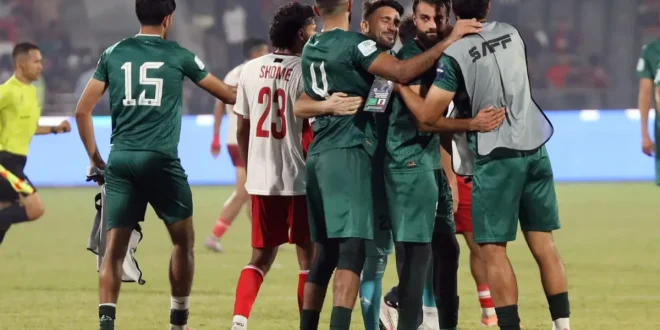
In a moment that will forever be etched in the annals of Pakistan’s sporting history, the national football team, affectionately known as the Shaheens, secured their inaugural berth in the SAFF Championship final. A dramatic 1-0 semi-final victory over host nation Bangladesh, sealed by a brilliant late strike from Abdul Samad Arshad, transcended mere athletic achievement, igniting a wave of excitement across the country. The decisive goal, coming approximately five minutes from the end of regulation time, saw Samad, a Denmark-based forward, display exceptional skill to create space and unleash an unstoppable left-footed shot, silencing the roaring home crowd at the National Stadium.
This historic triumph marks the end of a long-standing semi-final curse for Pakistan, who had previously stumbled at this stage on four occasions without reaching the final. Under the astute guidance of former Premier League star Nolberto Solano, the Shaheens demonstrated remarkable resilience and tactical discipline, setting up a highly anticipated showdown against perennial rivals and defending champions, India, in what promises to be an epic final.
Background: A Rocky Road to Redemption
For decades, Pakistan football has navigated a challenging landscape, often battling internal strife, limited resources, and international suspensions. The South Asian Football Federation (SAFF) Championship, a biennial tournament for nations within the SAFF region, has traditionally seen dominant performances from teams like India, while Pakistan has struggled to make a significant mark. Their journey to this final is particularly noteworthy given recent turbulence, including a FIFA ban that severely hampered the sport’s development and international participation.
The appointment of Nolberto Solano, a former Peruvian international and celebrated Newcastle United midfielder, signaled a new era. Solano’s international experience and tactical acumen have been crucial in molding a team capable of competing at a higher level. Furthermore, the timely integration of overseas-based players, like Samad, for the knockout stages – a luxury not always available during group stages due to FIFA international windows – provided a critical boost in quality and experience. These players, honing their skills in more competitive leagues abroad, bring a professional edge that elevates the national squad’s overall standard.
Impact on Pakistan: Beyond the Pitch
The significance of this achievement extends far beyond the football pitch. In a nation where cricket traditionally dominates the sporting narrative, this historic qualification offers a powerful testament to the burgeoning potential of football. It provides an immense morale boost for players, the Pakistan Football Federation (PFF), and crucially, for millions of passionate fans who have yearned for such success.
This journey serves as a beacon of inspiration for aspiring young footballers across Pakistan, demonstrating that dedication and talent can lead to national and international recognition. Increased visibility on the regional stage could attract much-needed investment and sponsorship, fostering better infrastructure, coaching, and grassroots development programs. Furthermore, in a diverse nation, sporting triumphs like this can foster a sense of national unity and pride, transcending regional and social divides.
The narrative of overcoming past disappointments and external challenges makes this success even more poignant. It challenges the perception of Pakistan as solely a ‘cricket nation’ and highlights the untapped potential in other sports, potentially paving the way for broader athletic development.
Analysis: Tactical Acumen Meets Individual Brilliance
The semi-final clash against Bangladesh was a masterclass in tactical discipline and resilience from Solano’s side. Despite Bangladesh enjoying a significant share of possession (62-64%) and the advantage of their home crowd, Pakistan remained defensively resolute, frustrating the hosts with a well-organized backline and midfield. This patient approach was complemented by a sharp counter-attacking strategy, evidenced by Pakistan registering more shots and efforts on target despite having less of the ball. It was a classic example of efficiency over dominance.
Abdul Samad’s goal was not just a late winner; it was a moment of individual brilliance that underscored the impact of quality foreign-based players. His composure, skill to create space, and powerful finish under immense pressure showcased the elevated standard these players bring. This blend of collective defensive solidity and individual attacking flair proved to be the winning formula.
The team’s mental fortitude was also on full display. Navigating a hostile environment, enduring attempts to disrupt play (like the flare incident), and holding firm in the face of desperate attacks from Bangladesh speaks volumes about their newfound belief and character. Overcoming the historical burden of semi-final exits further solidifies this mental shift.
Looking ahead, the final against arch-rivals India is not just a game; it’s a narrative charged with regional pride and historical sporting rivalry. While India enters as defending champions, Pakistan’s current momentum and tactical prowess make them formidable contenders. This match is set to be a true test of nerve and skill, offering Pakistan a golden opportunity to not only secure their first SAFF Championship title but also to solidify their rise as a significant force in South Asian football. The outcome, regardless of the scoreline, will undoubtedly leave an indelible mark on the future trajectory of Pakistan football.
“`