Dost Pakistan Journeys Tours and safaris in the North & South Pakistsn
Related Articles

“`html
Pakistan Fuel Prices: Minor Petrol Cut Amidst Persistent Economic and Geopolitical Challenges
The Latest Update: A Marginal Dip in Petrol Prices
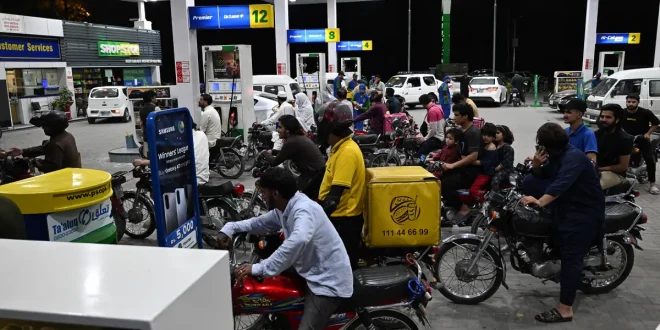
In a recent development, the Oil and Gas Regulatory Authority (OGRA) announced a modest reduction of Rs3 per litre in the price of petrol, effective November 24, 2026. This brings the retail price of petrol to Rs319 per litre. Meanwhile, the price of High-Speed Diesel (HSD) remains unchanged at Rs357 per litre. This adjustment comes after a brief pause in a series of price reductions, highlighting the volatile nature of the domestic fuel market in Pakistan.
Background: Geopolitical Tensions and Policy Shifts
To fully understand the current fuel price scenario in Pakistan, it’s crucial to consider the significant geopolitical events and policy changes that have shaped it throughout 2026.
Global Instability Drives Domestic Prices
The year began with a period of relative stability, with petrol at Rs266.17 and diesel at Rs280.86 per litre in late February. However, the outbreak of the US-Iran conflict on February 28, 2026, and the subsequent Strait of Hormuz crisis, sent shockwaves through global energy markets. Pakistan, a net importer of oil, was directly impacted. This geopolitical instability led to unprecedented spikes, with petrol peaking at Rs458.41 and diesel at a staggering Rs520.35 per litre on April 3, marking an all-time record for fuel prices in the country.
From Weekly to Daily Pricing Mechanism
In response to these extreme fluctuations, the Pakistani government, from July 17, shifted from a bi-weekly to a near-daily fuel pricing mechanism. This decision, mandated by the cabinet and the Prime Minister, empowers OGRA to adjust prices based on real-time international market trends. While proponents argue this offers greater transparency and immediate reflection of global dynamics, it introduces daily uncertainty for consumers, making budget planning challenging.
The Burden of Taxation and Levy
Despite recent minor reductions, Pakistani consumers continue to bear a substantial burden of government taxes and duties on fuel. Currently, the government levies Rs114 per litre on petrol and Rs100 per litre on diesel. These high taxation rates are significant revenue generators for the exchequer but contribute directly to the elevated final retail prices. Additionally, an arrangement announced on November 2 sees oil refineries collectively contributing Rs15 billion to the petroleum levy, enabling a Rs14.71 reduction in petrol at the consumer end for 30 days. This mechanism, while offering temporary relief, underscores the complex financial balancing act the government faces.
Impact on Pakistan: Public Burden and Government Interventions
Fuel price volatility has profound implications for Pakistan’s economy and its citizens, compelling the government to introduce various measures, both relief-oriented and austerity-driven.
Socio-Economic Strain on Citizens
Changes in fuel prices directly affect the daily lives of millions. Petrol, primarily consumed by private vehicles, motorcycles, rickshaws, and small cars (up to 800cc), impacts the middle and lower-middle classes the most. Diesel, essential for heavy transport, public buses, power generation, and agricultural machinery, plays a critical role in the supply chain. Its price directly influences transport costs, food prices, and overall inflation, hitting all segments of society.
Government’s Relief and Austerity Measures
- Prime Minister’s Fuel Relief Scheme: Launched on September 17, this targeted subsidy program aims to ease the burden on vulnerable segments by providing relief to owners of motorcycles, rickshaws, and vehicles up to 800cc.
- Austerity Drive for Fuel Conservation: Amidst rising international prices, the government reintroduced austerity measures, including mandating market closures by 9 PM and a 50% cut in fuel allocations for official vehicles for three months. These steps aim to conserve energy and reduce import bills, reflecting the severity of the economic challenge.
Analysis: A Precarious Balance Between Relief and Reality
The recent Rs3 reduction in petrol price offers a glimmer of relief, yet it is a small concession in the face of persistently high fuel costs and ongoing economic pressures. This highlights the government’s delicate balancing act.
The Dilemma of High Taxation
While the government is keen to provide relief, its reliance on fuel taxes as a major revenue source complicates significant price cuts. The current tax structure ensures a steady income stream but keeps retail prices high, leaving consumers vulnerable to international market volatility. The Rs15 billion contribution from oil refineries towards the petroleum levy, while positive, is a temporary fix rather than a structural change to the taxation policy.
Why Diesel Remains Unchanged?
The decision to keep diesel prices stable while reducing petrol merits closer examination. Diesel’s central role in the heavy transport, industrial, and agricultural sectors means its price has a broader and more direct impact on inflation. Stabilizing diesel prices could be a strategic move to prevent a wider inflationary spiral, prioritizing essential goods and public transport costs over private vehicle consumption. This suggests a nuanced policy approach, differentiating between fuels based on their economic impact.
Effectiveness of Relief Measures
The Prime Minister’s Fuel Relief Scheme targets specific segments, which is commendable. However, its effectiveness against the backdrop of overall high prices and inflationary pressures remains a critical question. Similarly, austerity measures, while necessary for conservation, impact economic activity (e.g., market closure timings) and consumer behavior. The daily pricing mechanism, while transparent, lacks the predictability that many consumers and businesses desire.
The Unpredictable Global Energy Landscape
Pakistan’s fuel price future is inextricably linked to the global energy landscape. The ongoing Middle East conflict, and the potential for renewed hostilities between major oil-producing nations, means that price stability remains elusive. Any further escalation could quickly nullify domestic relief measures and push prices upwards once more, demonstrating the country’s vulnerability to external shocks.
Conclusion: Navigating a Challenging Road Ahead
The Rs3 petrol price reduction is a welcome, albeit minor, respite for Pakistani consumers. It reflects the government’s ongoing efforts to mitigate the impact of global energy shocks, which have driven fuel prices to historic highs in 2026. However, the underlying challenges – high taxation, geopolitical instability, and the broader economic crunch – persist. The shift to daily pricing, alongside targeted subsidies and austerity measures, represents a complex, multi-pronged strategy to navigate these turbulent waters.
As Pakistan moves forward, the ability to balance fiscal needs with public relief, while remaining agile in the face of an unpredictable global energy market, will be paramount. The journey towards sustainable and affordable fuel prices remains a challenging road, with no easy solutions in sight.
“`