 Dost Pakistan Journeys Tours and safaris in the North & South Pakistsn
“`html
AJK Crackdown: Unpacking the State’s Action Against JAAC Amid Rising Tensions
Azad Jammu and Kashmir (AJK) finds itself embroiled in a deepening crisis as authorities launch a severe crackdown on the Joint Awami Action Committee (JAAC). Declaring the organization proscribed, the government has moved swiftly to arrest numerous leaders and activists, a move that has ignited widespread protests and tragically resulted in the death of a trader in Poonch. This analysis explores the immediate events, the underlying historical and political context, its broader significance, and the potential repercussions for regional stability and human rights.
What Happened: A Swift Clampdown and Tragic Turn
The AJK government initiated a robust offensive against the Joint Awami Action Committee (JAAC), branding it an outlawed entity. This declaration paved the way for the arrest of approximately 72 individuals affiliated with the committee across various districts. Police officials reported the seizure of “weapons, communication gadgets, suspicious documents,” and evidence pointing towards “violent agitational activities” and “questionable contacts with patrons and foreigners,” all of which are now subject to legal investigation. This suggests the authorities perceive a significant threat to public order and state security.
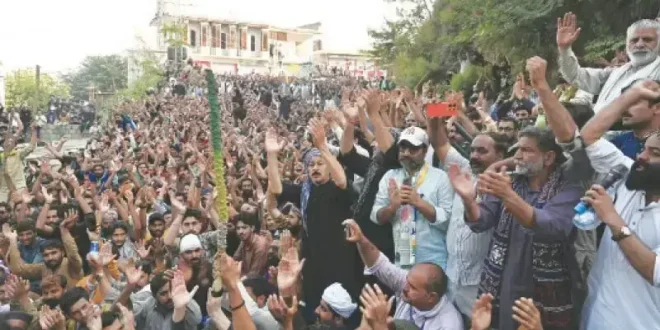
The situation escalated dramatically in Poonch, where a trader named Shahzeb Habib was fatally wounded during an alleged confrontation with law enforcement personnel. Habib was reportedly in the company of Umar Nazir Kashmiri, a prominent JAAC figure from Poonch, when their vehicle was intercepted. While the police maintain that “armed occupants” initiated an exchange of fire, leading to reciprocal action, the incident has fueled intense public outrage. Habib’s family and community members organized a sit-in protest, initially resisting a post-mortem examination—a clear indicator of distrust in the official narrative. Rawalakot witnessed significant shop closures and episodes of panic buying, while protesters erected roadblocks on some key routes, reflecting the widespread public discontent. Simultaneously, the AJK Supreme Court has completed its advisory response to a presidential reference under Article 46-A of the AJK Interim Constitution, a development that could crucially influence the legal and political landscape surrounding these events.
Background: Roots of Discontent in Azad Kashmir
Understanding the current unrest requires an appreciation of the socio-economic and political undercurrents in AJK. The Joint Awami Action Committee (JAAC) emerged as a vocal platform for widespread public grievances. Its agenda typically centers on fundamental issues such as inflated electricity tariffs, the prohibitive cost of essential goods, resource allocation, and broader concerns about governance and public services. For an extended period, AJK has experienced simmering public dissatisfaction, occasionally manifesting in protests demanding governmental reforms and better living conditions for its citizens.
The official proscription of JAAC marks a critical shift from managing protest movements to outright criminalizing dissent. The police rationale for this crackdown hinges on accusations that JAAC elements were “trying to exploit public issues to disrupt law and order, influence the electoral process, damage public and private property, incite hostility against state institutions and paralyse normal life through unconstitutional and violent actions.” This narrative establishes a confrontational stance between state security apparatuses and what JAAC supporters contend are legitimate expressions of public frustration. The ongoing legal process, involving the AJK Interim Constitution and the Supreme Court’s advisory role, underscores the complex legal and political dimensions of this unfolding struggle for authority and rights.
Why It Matters: Stability, Rights, and Regional Implications
The developments in AJK carry profound weight, with repercussions that stretch beyond local dynamics:
- Stability of AJK: An aggressive crackdown on a popular movement, even if deemed necessary by the state, often risks escalating rather than de-escalating tensions. It can deepen public resentment, potentially fostering radicalization and further eroding citizens’ trust in government institutions, thereby threatening the overall stability of the region.
- Human Rights Concerns: The death of Shahzeb Habib under disputed circumstances, coupled with the family’s initial reluctance for a post-mortem and reports of communication blackouts, brings into sharp focus critical questions about due process, the proportionate use of force by law enforcement, and fundamental human rights. The mass arrests of activists also invite scrutiny regarding the freedoms of expression and peaceful assembly.
- Democratic Space: Banning an organization that articulates public grievances, regardless of how inconvenient its demands might be to the ruling authorities, inherently restricts the democratic space available for dissent and advocacy. This approach can lead to perceptions of authoritarianism in response to what are often genuine community concerns.
- Broader Kashmiri Context: Given AJK’s pivotal role in the long-standing Kashmir dispute between Pakistan and India, any internal instability carries wider regional and international ramifications. Such events can provide ammunition for international criticism, complicating Pakistan’s diplomatic efforts and potentially undermining its advocacy for the self-determination of the Kashmiri people.
Impact on Pakistan: A Diplomatic and Governance Challenge
While AJK operates with its own governmental structure, its stability and governance are inextricably linked to mainland Pakistan. The current crisis poses several significant challenges for Islamabad:
- International Image and Diplomacy: Events unfolding in AJK directly influence Pakistan’s global standing, particularly concerning its human rights record and governance in the territories it administers. Incidents of violence, reported arbitrary arrests, and the perceived suppression of dissent can be leveraged by international critics to tarnish Pakistan’s image, especially within the context of the contentious Kashmir issue.
- Internal Security and Resource Allocation: A prolonged period of instability or significant unrest in AJK could necessitate direct intervention or substantial support from mainland Pakistan. This would divert crucial resources and attention from other pressing internal security challenges across the country.
- Political and Diplomatic Burden: Islamabad is likely to face intensified scrutiny and diplomatic pressure from international human rights organizations and governmental bodies. Effectively managing the political fallout and visibly demonstrating adherence to human rights principles and democratic governance in AJK will be a critical diplomatic imperative.
- Economic Repercussions: Instability, protests, and ensuing shutdowns in AJK disrupt local economies, directly impacting livelihoods. Such disruptions might eventually require economic assistance or rehabilitation efforts from Pakistan.
Analysis: Balancing Order with Legitimate Grievances
The evolving situation in AJK signifies a crucial flashpoint where the state’s paramount duty to uphold law and order confronts the fundamental rights of citizens to peaceful protest and expression of grievances. The government’s narrative, underscored by references to “weapons, suspicious documents,” and “foreign contacts,” appears designed to delegitimize the JAAC and frame the crackdown as an essential security measure against elements purportedly aiming to destabilize the region and compromise the electoral process.
However, the robust public reaction—evidenced by widespread protests, economic shutdowns, and the deeply emotional response to Shahzeb Habib’s death—suggests that a substantial portion of the populace views the JAAC as an authentic voice for their genuine local concerns. The enduring challenge for the AJK government, and by extension Pakistan, lies in accurately distinguishing between legitimate expressions of dissent and genuine threats to public order. A strategy that relies predominantly on force, while potentially achieving temporary calm, frequently fails to address the deep-seated root causes of discontent, which are often socio-economic in nature.
The involvement of the AJK Supreme Court, through its forthcoming advice on the presidential reference, could provide a vital legal pathway to either affirm or challenge the state’s actions. Its findings will be closely watched, as they hold the potential to shape the future legal framework for managing protest movements. Moving forward, a nuanced and balanced approach, integrating rigorous law enforcement with sincere dialogue and proactive measures to address fundamental public grievances, will be indispensable for cultivating lasting peace and stability in Azad Kashmir. Neglecting these underlying issues risks fostering deeper alienation and prolonged unrest, thereby making the complexities of governance even more arduous.
“`
