Dost Pakistan Journeys Tours and safaris in the North & South Pakistsn
Related Articles


“`html
Balochistan CM Bugti’s Warning: A Dual Strategy for Stability
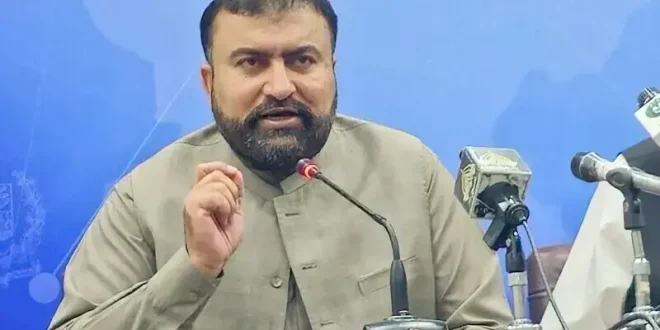
QUETTA, Pakistan – Balochistan Chief Minister Sarfraz Bugti recently issued a strong message, reaffirming the state’s resolve against any form of violence or advocacy for terrorism within the province. His remarks, delivered at the 28th National Security Workshop, underscore a critical juncture in addressing Balochistan’s multifaceted challenges, balancing a firm stance on law and order with a renewed commitment to socio-economic development and effective governance.
The News
Balochistan Chief Minister Sarfraz Bugti declared that no leniency would be extended to individuals engaging in armed rebellion against the state or promoting terrorism, regardless of gender. Addressing participants of the 28th National Security Workshop, Mr. Bugti provided an overview of the security landscape, governance hurdles, and development priorities for the resource-rich province.
He emphasized that Balochistan is an integral part of Pakistan, asserting that violence, whether in the name of religion or nationalism, is unjustifiable. While acknowledging the constitutional rights to peaceful protest and freedom of expression, the Chief Minister stressed that these rights come with the responsibility of loyalty to the state. He differentiated between peaceful political dissent and armed resistance, stating that no ideology justifies the killing of innocent people or attacks on state institutions.
Recognizing the historical issues of uneven development and deprivation, Mr. Bugti affirmed that these must be resolved through democratic processes, not through violence or separatist movements. He also voiced concern over external elements attempting to radicalize Balochistan’s youth through social media propaganda. To counter this, he urged students to critically evaluate online narratives and focus on education and constructive national participation. The provincial government, he added, is committed to providing equitable access to quality education, economic opportunities, improved living standards, stronger governance, and extending basic amenities to remote regions. Chief Secretary Shakeel Qadir Khan also detailed ongoing development projects and administrative reforms.
Background
Balochistan, Pakistan’s largest province by area, holds immense strategic importance due to its geographical location bordering Afghanistan and Iran, and its vast natural resources, including significant gas reserves. Despite its riches, the province has historically lagged in development, leading to widespread grievances over perceived neglect and resource exploitation. This sense of marginalization has fueled various nationalist and separatist movements over decades, with some factions resorting to armed insurgency against the Pakistani state.
The conflict in Balochistan is complex, involving multiple actors. Baloch nationalist groups often cite issues of provincial autonomy, equitable distribution of resources, and alleged human rights abuses as reasons for their struggle. In recent years, the landscape has also seen the emergence or influence of religiously motivated extremist groups, blurring the lines of the conflict and adding layers of complexity to Pakistan’s counter-terrorism efforts. The province is also central to the China-Pakistan Economic Corridor (CPEC), with the deep-sea port of Gwadar being a flagship project. This has intensified security concerns, as militant groups have frequently targeted CPEC projects and personnel, viewing them as symbols of state exploitation and foreign intrusion.
Furthermore, allegations of external actors fomenting unrest and supporting militant elements in Balochistan have long been a significant narrative from the Pakistani government. This perceived foreign interference, combined with the power of digital media, presents a considerable challenge in preventing the radicalization of the province’s youth, who are often susceptible to narratives promising quick solutions or propagating anti-state sentiments.
Impact on Pakistan
The ongoing instability in Balochistan carries profound implications for Pakistan’s national cohesion and future trajectory:
- National Unity and Integrity: Separatist movements directly challenge the fundamental concept of a unified Pakistan, creating internal divisions that can be exploited by adversaries. Maintaining the territorial integrity of Balochistan is paramount for national security.
- Economic Development and CPEC: Balochistan is the gateway for CPEC, a cornerstone of Pakistan’s economic future. Continued instability, militant attacks, and security concerns deter investment, delay project completion, and inflate operational costs, potentially jeopardizing the entire initiative. The development of Gwadar Port, vital for regional trade, also hinges on a secure environment.
- Regional Stability and Geopolitics: Unrest in Balochistan can spill over into neighboring regions, exacerbating existing geopolitical tensions. Pakistan’s ability to project stability and exercise influence in its western borders is directly linked to peace within the province.
- Human Cost and Governance: The conflict has led to significant loss of life among civilians, security forces, and militants. It also strains state resources, diverting funds that could otherwise be used for public welfare. The challenge for the government is to demonstrate effective governance and address legitimate grievances to win the trust of the local population.
- Youth Radicalization: The vulnerability of Balochistan’s youth to extremist propaganda, especially via social media, poses a long-term threat to societal harmony and national development. A generation alienated from the state could perpetuate cycles of violence and distrust.
Analysis
Chief Minister Sarfraz Bugti’s statements signal a comprehensive, albeit challenging, two-pronged strategy for Balochistan: an uncompromising stance on security and a robust commitment to socio-economic uplift. His address underscores a critical understanding that while armed resistance cannot be tolerated, the underlying grievances that fuel such movements must be addressed.
The firm warning against anti-state elements and terrorism, irrespective of their motivations (religious or nationalistic), reflects the state’s determination to restore law and order. This strong posture is crucial for deterring militant activities and safeguarding critical infrastructure, including CPEC projects. However, the true test lies in the execution of this resolve, ensuring that security operations are conducted with precision and respect for human rights, avoiding actions that could further alienate local populations.
Equally vital is the emphasis on democratic means to resolve issues like uneven development and deprivation. This acknowledges that a purely security-centric approach is insufficient. The provincial government’s commitment to improving living standards, extending basic facilities, and ensuring equitable access to education and economic opportunities is essential for fostering a sense of ownership and belonging among the Baloch people. The challenge here is not just launching projects but ensuring their equitable distribution and tangible impact on the lives of ordinary citizens, particularly in remote areas, and countering perceptions of external exploitation.
Bugti’s concern over foreign-backed social media propaganda targeting youth highlights the modern battleground for hearts and minds. Countering these narratives requires more than just blocking content; it necessitates a proactive, compelling, and localized counter-narrative that resonates with young Balochistanis. This involves promoting positive national identity, highlighting opportunities within Pakistan, and creating platforms for constructive civic engagement.
Ultimately, Balochistan’s stability hinges on building trust between the state and its citizens. This requires a delicate balance of decisive security actions against militants, genuine political dialogue with peaceful dissenters, and sustained, inclusive development that directly benefits the local populace. The success of Chief Minister Bugti’s strategy will depend on the effective coordination between security forces, civil administration, and community leaders, ensuring that the sacrifices for peace are truly met with progress and prosperity for Balochistan.
“`