Dost Pakistan Journeys Tours and safaris in the North & South Pakistsn
Related Articles


Pakistan’s Diplomatic Triumph: Fuel Price Cuts Signify Economic Relief Amidst US-Iran Peace Deal
In a significant announcement signaling much-anticipated economic relief, Prime Minister Shehbaz Sharif confirmed a “significant” reduction in fuel prices for Pakistani citizens. This move comes on the heels of a swift and substantial global decline in oil prices, directly attributed to a Pakistan-brokered memorandum of understanding (MoU) between the United States and Iran to cease hostilities. The successful diplomatic initiative not only promises to ease the burden of inflation for millions but also marks a momentous achievement for Pakistan on the international stage.
Context: The Genesis of a Global Crisis and Pakistan’s Intervention
The global economic landscape had been severely strained since late February when a conflict involving the US, Israel, and Iran erupted. The geopolitical tensions quickly escalated, leading to Iran’s retaliatory closure of the Strait of Hormuz. This critical maritime choke point, vital for approximately 20% of the world’s oil and natural gas supply, became a flashpoint, instantly disrupting global energy markets. The immediate consequence was a sharp, uncontrollable surge in international oil prices, triggering a “storm of inflation” that affected economies worldwide, including Pakistan.
For months, the global community grappled with the financial repercussions. Pakistan, like many developing nations, felt the acute pinch of spiraling energy costs. To manage the crisis, PM Shehbaz Sharif’s government was compelled to implement tough measures, including hiking petrol and diesel prices by Rs55 per litre in early March and announcing unprecedented austerity drives. These steps, while necessary to prevent economic collapse, added immense pressure on the ordinary citizen.
Amidst this challenging backdrop, Pakistan stepped forward, undertaking tireless mediation efforts between the US and Iran. This strategic diplomatic engagement culminated on Thursday with the signing of a long-awaited peace deal. The agreement outlines a framework to end the conflict, crucially includes the immediate reopening of the Strait of Hormuz, and sets a 60-day timeline for further talks. The news instantly sent shockwaves through energy markets, causing oil prices to plummet to their lowest levels since the conflict began.
Immediate Impact on Pakistan: A Glimmer of Economic Hope
The “significant” reduction in fuel prices announced by Prime Minister Shehbaz Sharif directly translates into tangible benefits for the Pakistani populace. Lower petrol and diesel costs will cascade across various sectors, leading to reduced transportation expenses, cheaper raw materials for industries, and potentially lower prices for essential goods. This relief is expected to help cool down inflation, a persistent challenge that has eroded household purchasing power for months.
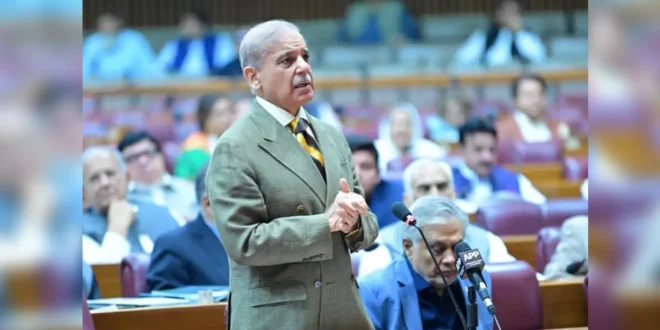
The government’s commitment to passing on the benefits of global price declines to consumers underscores its focus on public welfare. PM Sharif specifically acknowledged the efforts of his economic team, including Petroleum Minister Ali Pervaiz Malik, Finance Minister Muhammad Aurangzeb, FBR Chairman Rashid Mahmood Langrial, and Planning Minister Ahsan Iqbal, for their role in navigating the economic turbulence. He also extended gratitude to provincial governments for their support in providing relief.
“Today, the sun of progress and prosperity is about to rise,” the Prime Minister declared, encapsulating the newfound optimism for Pakistan’s economic trajectory.
Analysis: Pakistan’s Ascendant Diplomatic Stature
Beyond the immediate economic relief, Pakistan’s successful mediation between two major global powers represents an extraordinary diplomatic achievement. The Prime Minister highlighted that Pakistan has earned unprecedented global respect, a status many nations aspire to for centuries. This success is not merely a testament to the nation’s diplomatic acumen but also a reflection of its commitment to regional peace and stability.
Architects of Peace
PM Shehbaz Sharif particularly lauded Field Marshal Asim Munir, Chief of Army Staff, for his “most significant role” in working “tirelessly day and night” over the past few months to restore peace. This acknowledgement underscores the multifaceted nature of Pakistan’s state apparatus in foreign policy and security matters. Deputy Prime Minister and Foreign Minister Ishaq Dar and Interior Minister Mohsin Naqvi also received commendation for their contributions to the peace efforts, demonstrating a unified national approach.
Global Acclaim and Future Engagements
The National Assembly’s unanimous adoption of a resolution, presented by Law Minister Azam Nazeer Tarar, further solidifies Pakistan’s pride in this diplomatic breakthrough. The resolution recognized the negative fallout of the conflict on regional and global stability and energy security, expressing “profound appreciation” for the Pakistani leadership.
The immediate diplomatic dividends are evident: PM Sharif’s telephone call with Iranian President Masoud Pezeshkian, where the Iranian leader expressed gratitude and accepted an invitation to visit Pakistan, signifies deepening bilateral ties. Pakistan’s delegation will also attend the funeral of the assassinated Supreme Leader of Iran, Ayatollah Ali Khamenei, further demonstrating solidarity. This series of events promises enhanced cooperation and economic prosperity in the region, fostered by the ceasefire.
PM Sharif also acknowledged the contributions of “brotherly countries” like Qatar, Saudi Arabia, Turkiye, and China, along with the US leadership, including President Donald Trump, in achieving this resolution. This global network of support highlights the collaborative nature of this complex peace process.
Broader Implications and Future Outlook
The reopening of the Strait of Hormuz immediately restores a critical artery of global energy supply, stabilizing international markets and mitigating future price volatility. For Pakistan, this means a more predictable and potentially lower energy import bill, freeing up crucial foreign exchange reserves that can be redirected towards development and public services.
The diplomatic success also positions Pakistan as a credible and influential player in regional and international affairs. This enhanced standing could attract greater foreign investment, foster new trade partnerships, and pave the way for Pakistan to play a more proactive role in resolving other regional disputes. The emphasis on national unity, as urged by PM Sharif in the National Assembly, sends a powerful message to the world about Pakistan’s resilience and collective resolve in pursuing national interests.
While the immediate relief is significant, sustaining this economic momentum will require careful fiscal management and continued focus on structural reforms. However, the successful mediation has undoubtedly provided Pakistan with much-needed breathing room and a renewed sense of confidence in its diplomatic capabilities and economic future.