Dost Pakistan Journeys Tours and safaris in the North & South Pakistsn
Related Articles
Geneva Talks Delayed: Unpacking the Fragile US-Iran Peace Accord and Regional Volatility
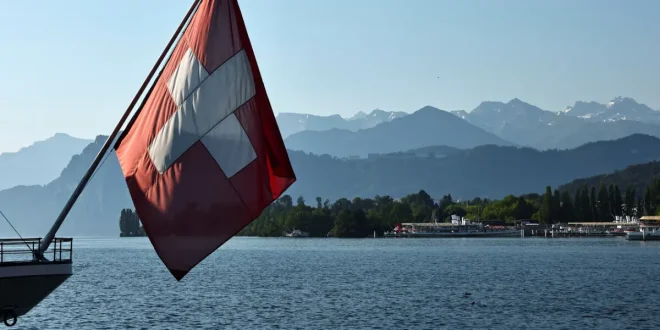
The eagerly anticipated peace talks between the United States and Iran in Geneva, intended to solidify a landmark accord aimed at ending the protracted Middle East conflict, have been postponed. This delay, announced by Switzerland and confirmed by the White House, casts a shadow of uncertainty over a deal that barely a day ago promised a significant de-escalation of tensions and stabilization for global energy markets.
The Unexpected Pause: A Sign of Deeper Challenges?
Scheduled to take place in Switzerland, the talks were meant to be the next step after the ‘Islamabad Memorandum of Understanding’ (MoU) was signed. This MoU, built upon a 14-point accord, outlined a framework to cease hostilities, reopen the vital Strait of Hormuz, and initiate negotiations on critical issues within 60 days. The swiftness with which this comprehensive agreement was reached, following a war that erupted just four months prior with US and Israeli air attacks on Iran, raised both hopes and skepticism.
US Vice President JD Vance’s sudden decision to postpone his travel, attributed by the White House to complex “logistics,” signals that the path to lasting peace is far from smooth. Iran, for its part, had indicated a need to see concrete signs of US implementation of the interim deal before committing its delegation to Geneva. This immediate hesitation underscores the deep-seated mistrust that has characterized US-Iran relations for decades, a mistrust not easily overcome by a rapidly brokered memorandum.
Background: From Conflict to Conditional Calm
The conflict, which began on February 28, swiftly escalated, claiming at least 7,000 lives and sending shockwaves through global markets, particularly in the energy sector as the Strait of Hormuz became a flashpoint. President Donald Trump’s initial objective to achieve “UNCONDITIONAL SURRENDER” from Iran and dismantle its nuclear capabilities met with stiff resistance, highlighting the complexities of dealing with a resilient adversary.
Pakistan, playing a crucial mediatory role alongside Qatar, was instrumental in bringing both sides to the table. Its sustained diplomatic efforts, including brokering an earlier ceasefire and hosting direct talks in Islamabad, culminated in the signing of the MoU. This interim agreement offered Iran significant concessions, including the unfreezing of tens of billions in assets, immediate US waivers for oil exports, and a $300 billion reconstruction fund. In return, Iran agreed to a framework for ending the war, reopening Hormuz, and engaging in technical talks on its nuclear program, including the “down blending” of highly enriched uranium and IAEA inspections.
Impact on Pakistan: A Diplomatic Triumph Amid Regional Volatility
For Pakistan, the peace initiative represents a significant diplomatic victory and a reaffirmation of its strategic importance in regional stability. Prime Minister Shehbaz Sharif’s active mediation efforts have elevated Pakistan’s international standing, positioning it as a credible peacemaker in a volatile region. A stable Middle East, free from the direct US-Iran conflict, holds immense benefits for Pakistan’s economic interests, particularly regarding energy security and trade routes through the region.
The reopening of the Strait of Hormuz, a critical artery for global oil and gas supplies, is especially beneficial for countries like Pakistan, which rely heavily on imported energy. Reduced regional tensions could also foster greater economic cooperation and allow Pakistan to focus on its own internal development goals, rather than being overshadowed by conflicts on its western flank. While the postponement is a setback, Pakistan’s continued readiness to facilitate talks underscores its commitment to seeing the peace process through, further cementing its role as a trusted intermediary.
Analysis: A Web of Geopolitical Intricacies and Domestic Pressures
The Fragility of the Accord
The postponement reveals the inherent fragility of the recently signed accord. While the ‘Islamabad Memorandum’ laid a framework, the devil lies in the details of implementation. Iran’s demand for tangible signs of US commitment before sending its delegation suggests it remains wary of US intentions, perhaps remembering the US withdrawal from the 2015 JCPOA (Joint Comprehensive Plan of Action). The White House’s vague explanation of “logistics” hints at internal US complexities or unresolved issues that necessitated Vance’s delay.
Domestic Dissent and Political Posturing
Both Washington and Tehran face significant domestic pressures. In the US, President Trump’s Republican allies have openly questioned whether he conceded too much to Iran, especially given his prior hardline rhetoric. The staggering $80 billion cost for the war, requested by the Pentagon, likely played a role in pushing Trump towards a deal, particularly with mid-term elections approaching. However, balancing peace with political optics remains a challenge.
On the Iranian side, Supreme Leader Ayatollah Mojtaba Khamenei’s assertion that Trump signed the deal “out of desperation” signals Iran’s intent to frame the accord as a victory and a demonstration of its resilience. His warning against “demanding” US stances in future nuclear talks indicates that Iran will negotiate from a position of strength, having withstood a superpower attack and demonstrated control over the Strait of Hormuz. Chief negotiator Mohammad Bagher Ghalibaf’s warning of a “decisive” response to any breach further underscores Iran’s cautious and assertive stance.
The Israel Factor: A Major Spoiler
Perhaps the most significant challenge to the accord’s longevity comes from Israel. Excluded from the peace talks, Israel has unequivocally distanced itself from the US-Iran deal and has continued its relentless attacks on Lebanon, explicitly targeting Hezbollah. The deal’s call for a “permanent termination” of war in Lebanon directly contradicts Israel’s stated intention to maintain an expanded occupation zone. This ongoing conflict not only undermines the spirit of the US-Iran agreement but also puts significant strain on the US-Israel relationship, with President Trump now openly criticizing Israeli operations.
Israel’s actions highlight that a US-Iran truce, while crucial, does not automatically resolve the broader, entrenched regional rivalries and proxy conflicts. The failure to integrate Israel’s security concerns, or at least its compliance with regional de-escalation, could be a fatal flaw in the current peace framework.
Iran’s Strategic Gains and Future Negotiations
Critics argue that Iran has emerged from the war and subsequent accord in a remarkably strong position. It has secured economic relief, validated its nuclear program (albeit with inspections and down blending), and asserted its control over the Strait of Hormuz, even signaling intentions to charge service fees. While it agreed to IAEA inspections as an NPT member, it successfully rejected Trump’s demand to remove its enriched uranium from the country. This positions Iran to negotiate toughly on its nuclear ambitions, aiming for a deal potentially more favorable than the 2015 JCPOA.
The dipping oil prices following the news of Hormuz’s reopening indicate the immediate economic relief the deal promises globally. However, the path to a comprehensive agreement, particularly on Iran’s long-range missiles and its nuclear future, remains fraught with challenges and divergent expectations.
Prospects for Further Talks: A Test of Resolve
The postponement is a clear indicator that despite the initial breakthrough, significant hurdles remain. It provides both sides an opportunity to reassess their positions, address internal critiques, and ensure clearer communication channels. The White House’s assurance that it “look[s] forward to beginning technical talks as soon as possible” suggests that the intent for dialogue remains, even if the immediate timeline is fluid.
The next 60 days, as stipulated by the accord for technical negotiations, will be a critical test of political will and diplomatic ingenuity. The world watches to see if this fragile peace initiative can withstand geopolitical pressures, domestic dissent, and the persistent regional hostilities embodied by Israel’s continued military actions, ultimately bringing genuine stability to a war-weary Middle East.