Dost Pakistan Journeys Tours and safaris in the North & South Pakistsn
Related Articles



“`html
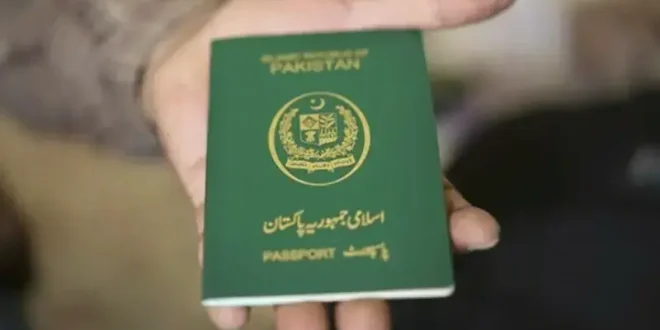
Pakistan’s Digital Leap: A New Era of Secure Travel with e-Passports
In a significant stride towards modernizing its travel documentation, Pakistan has announced a full transition from traditional machine-readable passports (MRPs) to advanced electronic passports (e-passports). This move, spearheaded by Interior Minister Mohsin Naqvi, signals a commitment to bolstering national security, enhancing global compatibility, and providing a more seamless experience for Pakistani travelers worldwide. The decision, approved in principle at a recent meeting at the Passport and Immigration Headquarters, positions Pakistan closer to international standards in travel document security and efficiency.
The News: Embracing a Digital Future for Travel
The core announcement confirms Pakistan’s intent to completely phase out old machine-readable passports in favor of e-passports. Interior Minister Mohsin Naqvi highlighted the primary motivations behind this strategic shift: advanced security features, global compatibility, and a frictionless airport experience. A key benefit emphasized is the eradication of fraud and forgery, a perennial challenge with older passport technologies.
E-passports, as explained, are sophisticated travel documents embedded with a contactless NFC (Near Field Communication) chip. This chip securely stores vital biometric and biographical data, including facial details, a unique identification number, and a digital signature. Crucially, these new Pakistani e-passports adhere to the stringent standards set by the International Civil Aviation Organisation (ICAO), enabling holders to utilize e-gate facilities at airports globally and significantly reduce immigration processing times.
Beyond the passport technology itself, the initiative encompasses broader reforms aimed at improving service delivery. From July 1, all passport offices will adopt a cashless payment system, eliminating manual cash handling and promoting transparency. Furthermore, significant progress has been made on a home delivery service for passports, both domestically and internationally, promising unparalleled convenience. The integration of the Pak ID platform for online applications is also set to streamline submissions and accelerate processing.
Background: The Global Shift Towards Secure Digital Identities
The move to e-passports by Pakistan is not an isolated event but rather a reflection of a global paradigm shift in how nations manage travel documentation and border security. For years, international bodies like the ICAO have advocated for and standardized the adoption of e-passports to combat the growing threats of identity theft, passport forgery, human trafficking, and terrorism. The traditional MRPs, while an improvement over earlier forms, are more susceptible to tampering and replication due to their reliance on printed data and less sophisticated security features.
E-passports, also known as biometric passports, represent the cutting edge in travel document security. The embedded chip encrypts the holder’s data, making it incredibly difficult to alter or counterfeit. Biometric data, typically a facial image, fingerprints, or iris scans, is stored on the chip, allowing for automated verification against the physical appearance of the traveler, thereby enhancing security at border crossings. Many developed and an increasing number of developing nations have already transitioned to e-passports, recognizing their superior security and efficiency benefits.
For Pakistan, this transition has been in the pipeline for some time. While a full rollout for all citizens is now confirmed, Pakistan first introduced e-passports for specific categories, such as diplomats and government officials, in 2022. This phased approach allowed for testing and refinement before a broader implementation. The current announcement signifies the final, critical step towards universal adoption, aligning Pakistan with leading global practices in travel document security and e-governance.
Impact on Pakistan: A Multi-faceted Transformation
The full shift to e-passports and the accompanying reforms are poised to deliver a transformative impact across several key areas for Pakistan:
- Enhanced National and Border Security: The primary and most direct benefit is a significant upgrade in security. The biometric data and encrypted chip make passports virtually impossible to forge, drastically reducing identity fraud and providing robust tools for border control agencies to verify traveler identities accurately. This will help in combating illegal immigration, human trafficking, and potential security threats.
- Improved International Standing and Travel Convenience: Adherence to ICAO standards and the ability to use e-gates globally will likely improve Pakistan’s international image regarding its security protocols. For Pakistani citizens, this translates into a much smoother and faster travel experience, with reduced wait times at international airports, potentially easing scrutiny at various borders.
- Combating Corruption and Inefficiency: The move to a cashless payment system, coupled with online applications via Pak ID and the home delivery service, directly targets long-standing issues of corruption, bureaucratic delays, and reliance on middlemen in public service delivery. This streamlines the process, increases transparency, and offers greater convenience to citizens.
- Economic Benefits and Digital Inclusion: A more secure and efficient travel system can foster increased business travel and tourism, contributing to economic growth. Furthermore, the emphasis on digital platforms like Pak ID and online applications reinforces Pakistan’s broader e-governance agenda, aiming to make public services more accessible and efficient for its citizens, including those abroad.
- Data Integrity and Management: Centralized digital data management will allow for better record-keeping, more efficient data retrieval, and improved analytical capabilities for immigration authorities, leading to better policy formulation and operational efficiency.
Analysis: Navigating the Road Ahead
While the transition to e-passports marks a commendable leap forward for Pakistan, its successful implementation will hinge on addressing several critical considerations and potential challenges:
- Infrastructure and Rollout Logistics: A nationwide rollout requires robust IT infrastructure, secure data centers, and an efficient system for issuing millions of new passports. Ensuring seamless operations across all passport offices, particularly in remote areas, will be paramount. Adequate training for staff on new technologies and processes is also essential.
- Public Awareness and Adoption: Extensive public awareness campaigns will be needed to educate citizens about the new system, its benefits, and the application process. Bridging the digital divide to ensure that individuals with limited internet access or digital literacy can still apply for and receive their e-passports conveniently will be crucial, particularly concerning the Pak ID platform and online applications.
- Data Security and Privacy: With the storage of sensitive biometric and personal data on the chip and in government databases, robust cybersecurity measures are non-negotiable. Protecting this data from breaches, unauthorized access, and misuse must be a top priority to maintain public trust and comply with international data protection norms.
- Cost Implications: The investment in technology, infrastructure, and human resources for such a large-scale project is substantial. The cost of new e-passports for citizens also needs to be managed carefully to ensure affordability, especially for lower-income groups.
- Seamless Transition from MRPs: The absence of a clear cutoff date for phasing out old passports, as noted in the news, suggests a gradual transition. Managing this period to avoid confusion, ensure equitable service, and prevent a backlog of applications will require careful planning and communication.
- Long-term Vision for Digital Identity: This e-passport initiative fits into Pakistan’s broader vision for digital transformation and e-governance. For maximum impact, it should be integrated seamlessly with other national digital identity projects, such as those by NADRA, to create a cohesive digital identity ecosystem for citizens.
In essence, Pakistan’s full shift to e-passports is a strategic imperative that promises to modernize its travel documentation, bolster security, and enhance the travel experience for its citizens. It reflects a proactive approach to adopting global best practices and underscores the government’s commitment to digital transformation. However, the true measure of its success will lie in the meticulous planning, robust execution, and continuous adaptation required to navigate the complexities of such a nationwide digital overhaul, ensuring that the benefits reach every Pakistani citizen equitably and securely.
“`