Dost Pakistan Journeys Tours and safaris in the North & South Pakistsn
Related Articles


“`html
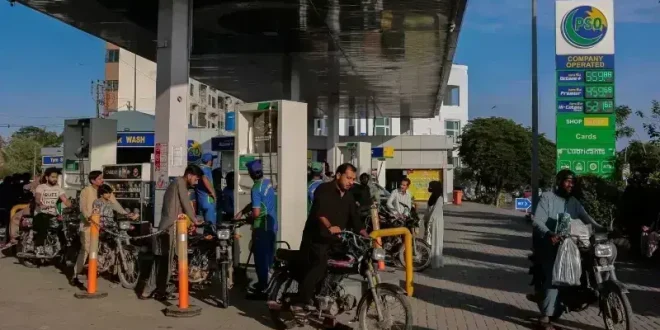
Pakistan’s Fuel Price Cut: A Respite from Economic Strain Amidst Global Shifts
Prime Minister Shehbaz Sharif’s recent announcement of a substantial reduction in petrol and diesel prices marks a pivotal moment for Pakistan, offering much-needed relief to citizens grappling with persistent inflation. This move, driven by a confluence of global geopolitical de-escalation and declining international oil benchmarks, is set to significantly impact the nation’s economic landscape.
Key Announcement:
- Petrol price slashed by Rs74 per litre, settling at Rs299.78.
- High-Speed Diesel (HSD) price cut by Rs67 per litre, reaching Rs311.78.
- This comes after record highs and weekly price revisions that severely strained household budgets and economic stability.
Navigating the Recent Energy Turmoil: A Brief Background
For months, Pakistanis have endured an unprecedented period of high energy costs. The situation escalated dramatically following heightened tensions in the Middle East, particularly the perceived threat of an “US-Iran war” and the subsequent blockade of the Strait of Hormuz. This vital maritime choke point, through which a significant portion of the world’s oil supply passes, saw disruptions that sent global crude oil prices spiraling upwards.
Domestically, the impact was immediate and severe. Pakistan, heavily reliant on imported oil, found its economy vulnerable. The government, under immense pressure, resorted to weekly price revisions, with fuel prices soaring to record highs. On April 3rd, petrol peaked at Rs458.41 per litre and diesel at an astonishing Rs520.35 per litre, leading to widespread public outcry and labeling the hikes an “inflation bomb.” While the government swiftly attempted to mitigate the shock by reducing the petroleum levy, the damage to household budgets and industrial costs was already profound.
A Diplomatic Breakthrough and Global Shifts: The Turning Tide
The recent shift in Pakistan’s energy fortunes is largely attributable to a significant de-escalation of regional tensions. Prime Minister Shehbaz Sharif highlighted the successful mediation efforts, culminating in a “US-Iran peace deal” and the subsequent restoration of energy shipping through the Strait of Hormuz. This diplomatic breakthrough, lauded by PM Shehbaz who credited figures like CDF and COAS Field Marshal Asim Munir for their “untiring efforts,” directly contributed to a more stable regional economic situation and a decline in international crude oil prices.
With the global supply chain for oil regaining stability and geopolitical risks subsiding, the international benchmark prices for petroleum products have softened considerably. This provided the Pakistani government with the much-needed fiscal space to pass on these benefits directly to its citizens.
Immediate Impact on Pakistan: Relief for the Common Citizen
The announced reduction in fuel prices is more than just a numerical adjustment; it represents tangible relief for millions. The price of petrol, a primary fuel for private vehicles, motorcycles, and rickshaws, directly affects the daily commuting costs of the middle and lower-middle classes. A Rs74 cut will free up significant portions of their disposable income, potentially stimulating small-scale economic activity.
Similarly, the Rs67 reduction in High-Speed Diesel (HSD) prices will have a cascading effect across various critical sectors. HSD is the lifeblood of heavy transport, powering trucks, buses, and agricultural machinery. Lower diesel prices mean reduced transportation costs for goods, which should, in theory, translate into lower prices for essential commodities. Furthermore, its use in power plants and large generators implies a potential for reduced electricity generation costs, offering indirect relief to consumers and industries.
While the new prices of Rs299.78 for petrol and Rs311.78 for HSD are still higher than the pre-crisis levels (e.g., petrol Rs266.17, diesel Rs280.86 as of Feb 28, 2026, according to the provided chart data), the substantial cut from their recent peaks will be keenly felt as a welcome respite from the relentless inflationary pressures.
Broader Economic Implications: A Breath of Air for Pakistan’s Economy
The government’s decision signals a commitment to economic stability and public welfare. By promptly passing on the benefits of global oil price declines, Prime Minister Shehbaz Sharif reinforces his administration’s pledge to “provide maximum relief to the public.” This move could help to cool down inflationary pressures across the board, particularly in food and transport sectors, which have been major drivers of the cost of living crisis.
Beyond immediate consumer relief, lower fuel prices can bolster various industries by reducing operational costs, improving profit margins, and potentially leading to job creation. The government’s emphasis on “complete coordination” between federal and provincial administrations, coupled with austerity measures and targeted subsidies for the underprivileged, paints a picture of a concerted effort to stabilize the economy.
However, the underlying structural challenges of Pakistan’s economy remain. While the relief is significant, the nation’s reliance on imported energy and vulnerability to global commodity price fluctuations underscores the need for continued fiscal discipline and diversification of energy sources.
Analysis and Outlook: Sustaining the Momentum
This recent fuel price reduction represents a significant political victory for PM Shehbaz Sharif’s government, allowing them to deliver on promises of public relief. It demonstrates the direct link between effective international diplomacy and domestic economic well-being. The credit extended to various ministers and the military leadership for their diplomatic and economic management efforts reflects a unified approach to navigating challenging times.
Looking ahead, the sustainability of this relief will depend heavily on the continued stability of global oil markets and geopolitical relations. For Pakistan, this period of respite offers an opportunity to reinforce long-term energy security strategies, including investing in renewable energy, improving energy efficiency, and reducing reliance on volatile fossil fuel imports. While the current reduction is a breath of fresh air, the ultimate goal must be to build an economy resilient enough to withstand future external shocks.
Based on news reports and official statements by PM Shehbaz Sharif regarding fuel price reductions on June 19, 2026. Data and context derived from the provided news summary and embedded HTML content.
“`