Dost Pakistan Journeys Tours and safaris in the North & South Pakistsn
Related Articles


Islamabad Peace Deal: Pakistan’s Diplomatic Triumph Reshapes Middle East Stability
The Middle East, long a crucible of geopolitical tensions, has witnessed a remarkable diplomatic breakthrough with the signing of the “Islamabad Peace Deal” between the United States and Iran. This historic agreement, painstakingly mediated by Pakistan, signals a potential end to months of bitter animosity and a devastating conflict. While celebration rings true, the immediate postponement of follow-up talks underscores the fragility of this newfound peace and the imperative for sustained diplomatic vigilance.
The News: A Pivotal Agreement and Diplomatic Engagements
A long-anticipated peace deal between the United States and Iran was formally inked, bringing an end to a conflict that began on February 28 with US and Israeli air attacks on Iran. This framework agreement, now famously dubbed the “Islamabad Peace Deal” due to Pakistan’s pivotal mediating role, was electronically signed by US President Donald Trump and Iranian President Masoud Pezeshkian, with Pakistan’s Prime Minister Shehbaz Sharif adding his signature as the crucial mediator. The accord outlines a framework to cease hostilities, reopen the vital Strait of Hormuz, and initiate negotiations on key outstanding issues within a 60-day timeframe.
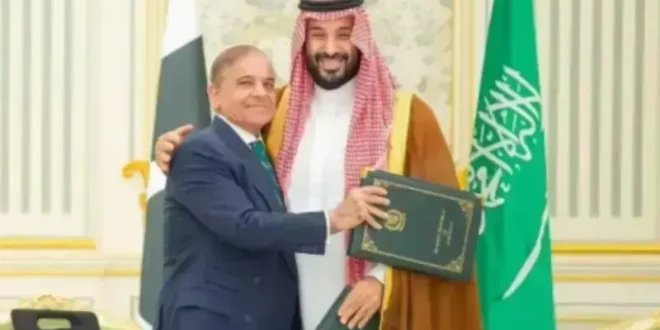
Following this monumental development, Prime Minister Shehbaz Sharif engaged in a “warm and most cordial” phone conversation with Saudi Crown Prince Mohammed bin Salman. Both leaders concurred on the paramount importance of ensuring the next phase of US-Iran negotiations is guided by dialogue and diplomacy, with a firm commitment to prevent any attempts to sabotage the peace process. PM Sharif also conveyed his satisfaction with the robust bilateral relations between Pakistan and Saudi Arabia, expressing a desire to further fortify their economic partnership. Notably, the initial follow-up talks scheduled for Switzerland were subsequently postponed, indicating that the path to a comprehensive resolution remains complex.
Background: A Region on Edge and Pakistan’s Steadfast Role
The US-Iran Conflict: A Costly Impasse
The recent conflict, ignited by US and Israeli air attacks on Iran, plunged the Middle East into a severe crisis. This escalation, which reportedly claimed at least 7,000 lives, sent global energy prices soaring, disrupted supply chains, and rattled international markets. The ensuing blockade of Iranian ports in the Strait of Hormuz – a critical chokepoint for a significant portion of the world’s oil supply – further exacerbated economic anxieties and heightened geopolitical tensions. The conflict underscored the urgent need for external mediation to de-escalate a situation with far-reaching global repercussions.
Pakistan’s Consistent Mediation Efforts
Throughout this volatile period, Pakistan emerged as a consistent and determined peacemaker. Its strategic location, historical ties to both sides (albeit with differing degrees of influence), and a vested interest in regional stability propelled it into a mediating role. Islamabad successfully brokered a ceasefire between the US and Iran on April 8 and subsequently hosted historic direct talks between the two nations. These efforts culminated in the comprehensive framework agreement, solidifying Pakistan’s image as a responsible and effective diplomatic actor on the international stage. This proactive stance reflects Pakistan’s understanding that regional instability directly impacts its own security and economic well-being.
The Pakistan-Saudi Arabia Nexus: A Foundation for Regional Peace
Pakistan’s diplomatic success has been significantly buttressed by its deep and enduring relationship with Saudi Arabia. The two nations share a multifaceted bond rooted in shared Islamic heritage, strategic military cooperation, and significant economic interdependencies. Riyadh has historically been a crucial source of financial aid and energy supplies for Islamabad. This relationship was further strengthened last September with the signing of a “Strategic Mutual Defence Agreement,” pledging collective defense against aggression. Crown Prince Mohammed bin Salman’s endorsement of Pakistan’s peace efforts, as highlighted by PM Sharif, underscores Saudi Arabia’s own desire for regional stability and its confidence in Pakistan’s diplomatic capabilities. This alignment between Islamabad and Riyadh is a powerful signal for broader regional cooperation.
Impact on Pakistan: A Diplomatic Ascent and Economic Prospects
The successful mediation of the US-Iran peace deal represents a significant triumph for Pakistan, with wide-ranging implications:
- Enhanced Diplomatic Stature: Pakistan’s role as a credible and effective mediator elevates its standing on the global diplomatic stage. It showcases Islamabad’s capacity to facilitate dialogue between major powers, a role often reserved for larger, more established global actors.
- Economic Benefits: A de-escalation of tensions in the Middle East is profoundly beneficial for Pakistan’s economy. Regional stability fosters greater trade and investment opportunities. Critically, the reopening of the Strait of Hormuz ensures predictable energy supplies, vital for Pakistan’s energy security and economic growth. The strengthening of economic partnership with Saudi Arabia, as discussed between PM Sharif and MBS, promises further investment and financial support.
- Regional Security Dividend: A stable Middle East mitigates the risk of spillover conflicts that could impact Pakistan, given its proximity and existing security challenges. Reduced regional friction can free up diplomatic and security resources for domestic priorities.
- Foreign Policy Validation: The “Islamabad Peace Deal” validates Pakistan’s foreign policy approach of promoting dialogue, reconciliation, and peaceful resolution of conflicts, particularly in a region critical to its strategic interests.
However, the postponement of subsequent talks serves as a reminder that challenges remain. Pakistan must continue its careful diplomatic engagement to ensure the fragile peace holds and progresses towards a more comprehensive settlement.
Analysis: A Tentative Step Towards a New Regional Order
The “Islamabad Peace Deal” is more than just an agreement between two adversaries; it’s a potential harbinger of a significant shift in Middle Eastern geopolitics. The emphasis on “dialogue and diplomacy” by both PM Sharif and Crown Prince Mohammed bin Salman reflects a shared regional aspiration to move away from conflict towards cooperative solutions.
The reopening of the Strait of Hormuz is a crucial economic relief valve, not just for the immediate parties but for global energy markets. Its continued access is paramount for international trade and economic stability. The 60-day window for negotiations on “key issues” will be a true test of the deal’s longevity. These issues likely encompass nuclear ambitions, regional proxy conflicts, and the lifting of sanctions, all of which are deeply entrenched and require nuanced diplomacy.
Pakistan’s emergence as a central mediator, with crucial backing from Saudi Arabia, highlights a growing trend of regional powers taking initiative in resolving complex conflicts. This could potentially reshape traditional alliances and diplomatic frameworks in the region, empowering more indigenous solutions to long-standing problems. The coordinated messaging between Islamabad and Riyadh also signals a united front in advocating for sustained peace efforts, potentially setting a precedent for broader regional collaboration.
While the “Islamabad Peace Deal” represents a monumental first step, it is by no means the final destination. The journey towards enduring peace will demand persistent diplomatic effort, mutual trust-building, and a commitment from all parties to uphold the spirit of the agreement. For Pakistan, this success not only resolves a critical regional crisis but also cements its position as a vital contributor to international peace and security, offering a template for its future role in global affairs.